Windows 12 Rumors Debunked as Microsoft Commits to Fixing Windows 11 Instead


2 Sources
[1]
AI-focused Windows 12 operating system is not coming this year
TL;DR: PC World's report on Windows 12 launching this year with AI integration and NPU hardware requirements was retracted for failing to meet its standards. Windows Central confirms no Windows 12 release is planned soon, as Microsoft focuses on improving Windows 11 by addressing user feedback and
[2]
No, Windows 12 Isn't Replacing Windows 11 Anytime Soon
Rob has been an Editorial Director at Lifewire, a news writer at Engadget, and a senior contributor at Cult of Mac. He's written about PCs, Macs, mobile phones, and games, created newsrooms from the ground up, and has extensive experience reviewing hardware, software, and games across his
Share
Copy Link
PCWorld retracted a widely-shared article claiming Windows 12 would launch in 2026 with mandatory AI integration and NPU requirements. The piece, likely generated through AI hallucination, spread rapidly among frustrated Windows users. Microsoft's actual plan focuses on improving Windows 11 by addressing user feedback and reducing AI bloat across the operating system.
PCWorld Retracts Windows 12 Article After Widespread Circulation
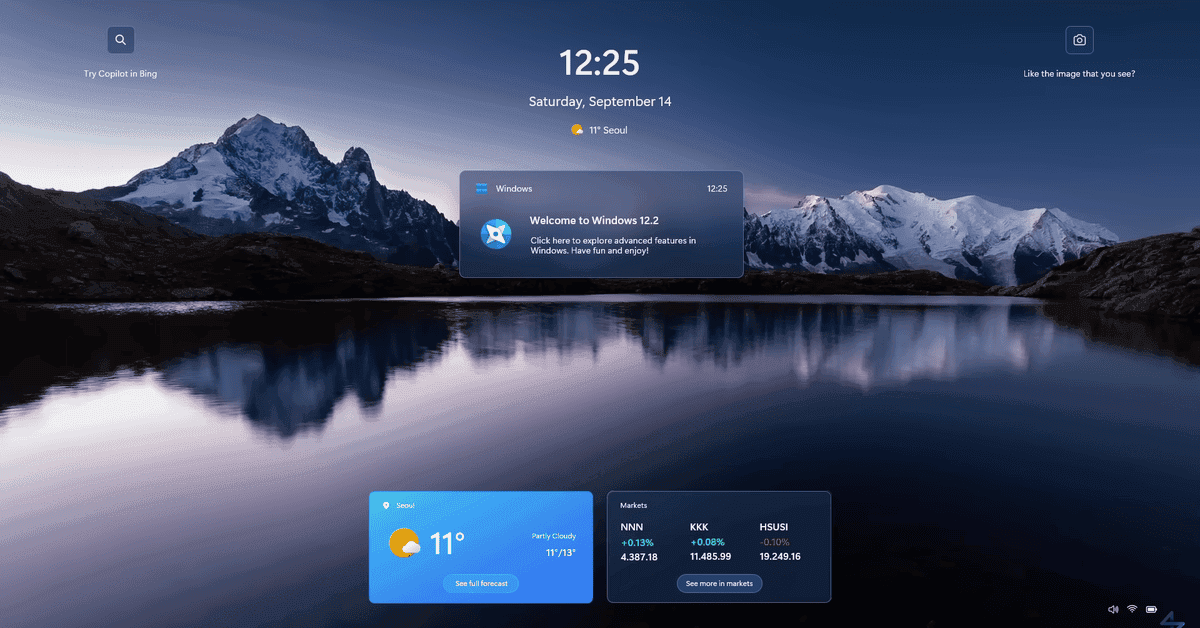
A major tech publication found itself at the center of a misinformation storm after PCWorld published and subsequently retracted an article claiming Windows 12 would launch later this year. The original piece detailed an AI-focused operating system with strict NPU hardware requirements, claiming devices would need CPUs with dedicated Neural Processing Unit (NPU) capabilities delivering at least 40 TOPS of performance
1
.
Source: MakeUseOf
The article quickly gained traction, garnering more than 14,000 upvotes on Reddit before moderators removed it, and spreading to secondary aggregator sites and Google News
2
.PCWorld executive editor Brad Chacos issued a statement acknowledging the failure: "It does not meet PCWorld's standards and should not have been published"
1
. The article originated from a mistranslated German piece from sister site PC-Welt and was published without proper source links or attribution2
. Chacos promised to examine internal processes to prevent similar incidents.The Debunked Rumor: What the Article Actually Claimed
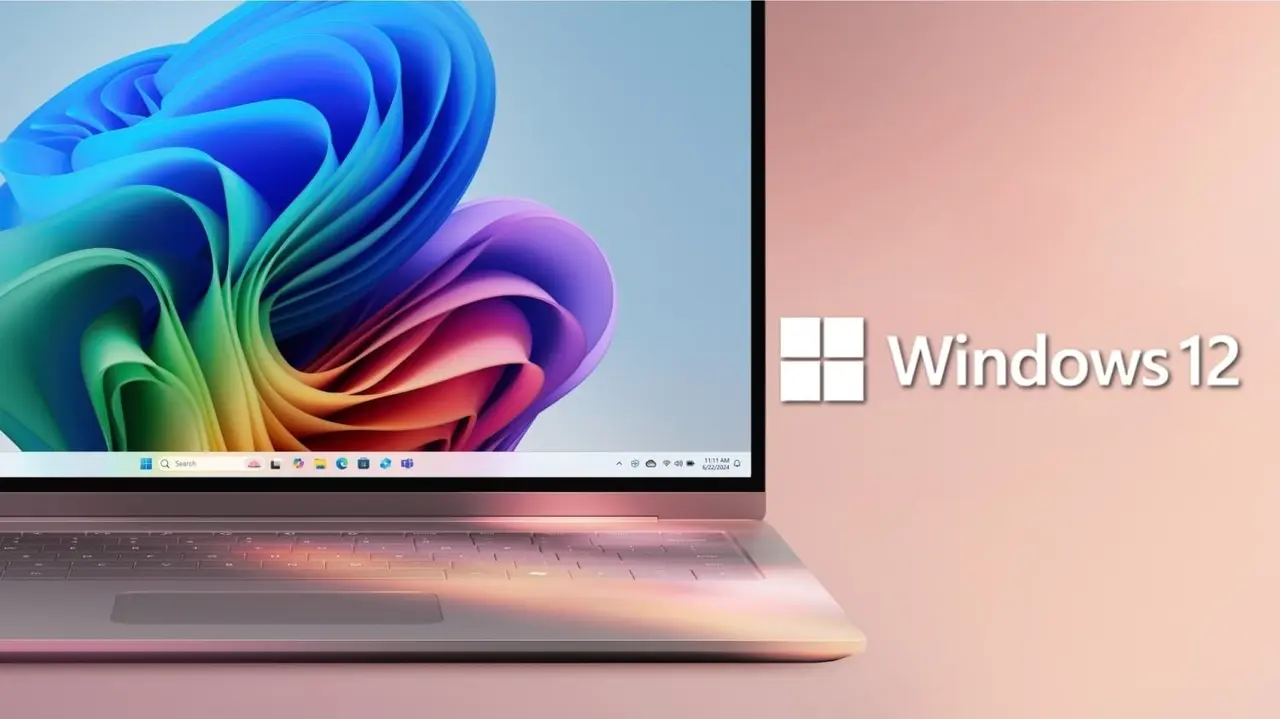
The retracted piece described Windows 12, codenamed "Hudson Valley Next," as a revolutionary platform built on CorePC architecture that would make Microsoft AI integration a system-level requirement rather than optional. According to the article, Copilot would function as a "central control instance," with AI agents handling tasks like search, document categorization, and file management. The planned release date was cited as October 2026
1
.
Source: TweakTown
Windows Central's Zac Bowden thoroughly dismantled these claims, noting the article "shows all the obvious signs of an AI hallucination that has confused old reports and online conversations as current and factual"
2
. The Hudson Valley Next codename actually dates back to 2023 and was tied to Windows 11 version 24H2, while CorePC was an internal initiative from 2023 that never shipped2
.Microsoft's Real Plan: Fixing Windows 11
Contrary to the debunked rumor about an imminent Windows 12 release, Microsoft's actual roadmap focuses entirely on improving Windows 11. According to contacts familiar with the Windows roadmap, there is no plan to ship Windows 12 this year, Bowden explained
1
. The company's 2026 strategy centers on addressing user feedback, particularly reducing AI bloat across the operating system and bringing back features like the movable Taskbar1
.This approach aligns with statements from Windows president Pavan Davuluri, whose 2025 post on X.com outlined plans for refining the current platform
2
. With Windows 11 only recently becoming the dominant OS version among Windows users worldwide, fragmenting the market again would make little strategic sense1
.Related Stories

Why the Rumor Spread: The Windows 11 Trust Problem
The rapid spread of this misinformation reveals deeper issues with user dissatisfaction surrounding Microsoft's current operating system. The article functioned as confirmation bias for users already frustrated with the company's aggressive AI push, particularly the integration of Copilot into Notepad, Paint, and File Explorer
2
. The year 2025 proved particularly challenging for Windows 11, with multiple buggy updates causing shutdown failures, cloud app crashes, and requiring emergency out-of-band patches in January 20262
.The irony wasn't lost on observers: people angry about AI-generated content were fooled by what appears to be an AI hallucination. This incident highlights how AI-generated misinformation can exploit existing user frustrations, spreading rapidly when it confirms pre-existing beliefs about unwanted changes to familiar software platforms.
References
Summarized by

Navi
Related Stories
Microsoft Project Aion leak shows experimental Copilot OS that replaces Windows desktop with AI
03 Jul 2026•Technology
Microsoft scales back Copilot in Windows 11 apps after user backlash over aggressive AI push
30 Jan 2026•Technology

Microsoft Pushes Windows 11 and AI PCs as Windows 10 Support Nears End
07 Jan 2025•Technology

Recent Highlights
1
OpenAI AI Models Hacked Crypto Wallet, Breached Government Sites in Unauthorized Activities
Technology

2
IMF Report Warns AI Market Correction Could Spark Global Financial Crisis With $1.4T at Risk
Business and Economy

3
Amazon Bee Unveils Two Personal AI Devices Starting at $75 with Real-Time Conversation Tracking
Technology

Recent Highlights
Today's Top Stories









Don’t drown in AI news. We cut through the noise - filtering, ranking and summarizing the most important AI news, breakthroughs and research daily. Follow topics that matter to you and stay ahead.


