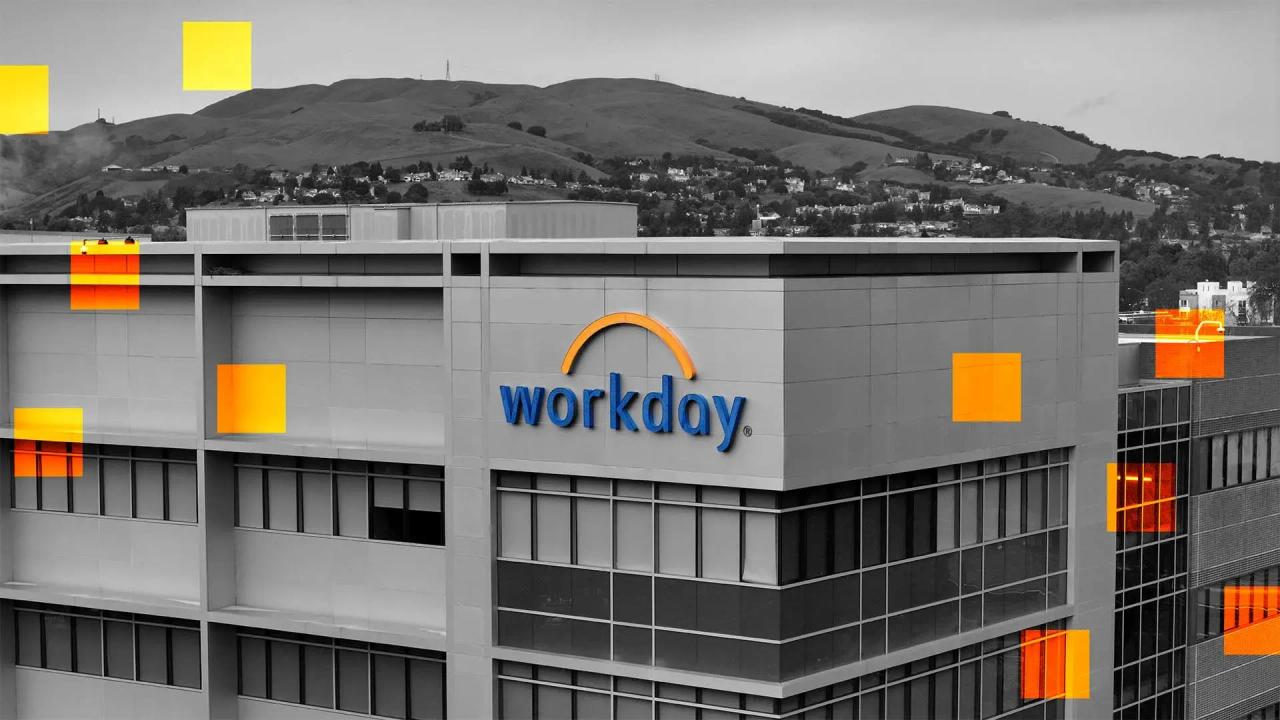
Workday must face lawsuit over AI bias in job screening tools used by 80% of U.S. employers


2 Sources
[1]
Workday must face California lawsuit over AI bias in job screening tools
June 22 (Reuters) - Workday (WDAY.O), opens new tab must face claims that its popular AI-powered human resources software weeded out job applicants at other companies in ways that violated California law and a federal ban on discrimination against workers with disabilities, a federal judge ruled on
[2]
Workday Must Face California Lawsuit Over AI Bias in Job Screening Tools
June 22 (Reuters) - Workday must face claims that its popular AI-powered human resources software weeded out job applicants at other companies in ways that violated California law and a federal ban on discrimination against workers with disabilities, a federal judge ruled on Monday. U.S.
Share
Copy Link
A federal judge ruled that Workday must face claims its AI-powered HR software discriminated against job applicants under California anti-discrimination laws and the Americans with Disabilities Act. The 2023 class action is the first to broadly challenge algorithmic decision-making in AI screening software now used by more than 80% of U.S. employers and virtually all Fortune 500 companies.
Federal Judge Allows Workday Lawsuit to Proceed on AI Bias Claims
U.S. District Judge Rita Lin in San Francisco rejected Workday's attempt to dismiss claims that its AI-powered human resources software discriminated against job applicants in violation of California law and federal disability protections
1
. The ruling on Monday marks a significant development in the proposed class action filed in 2023, which legal experts identify as the first of its kind to broadly target algorithmic decision-making in employment screening software2
.The California-based company argued that state anti-discrimination laws should not apply when it screens people based outside California who are applying for jobs in other states and countries. Judge Lin rejected this position, stating that because Workday allegedly participated in unlawful conduct from its California headquarters, it could be held liable for discrimination under state law.

Source: Reuters
Job Screening Tools Face Scrutiny Over Disability Discrimination
The federal judge also refused to dismiss a claim alleging that Workday's job screening tools can weed out applicants based on "proxy indicators" of disabilities and illness, such as gaps in someone's employment history, in violation of the Americans with Disabilities Act
2
. This aspect of the case could have far-reaching implications for how AI-driven hiring practices evaluate job applicants with health-related employment gaps.The plaintiffs separately allege that Workday discriminated against Black job seekers, women, and people older than 40. However, Judge Lin dismissed a claim that the software discriminated against Asian American job applicants, citing procedural issues with how the plaintiffs added this allegation to the lawsuit.
Workday Denies AI Bias in Hiring Tools Used by Fortune 500 Companies
Workday issued a statement denying the claims, asserting that its AI recruiting tools "do not make hiring decisions in California or anywhere else." The company stated: "Our technology looks only at job qualifications, not protected traits like race, age, or disability. We rigorously test our products as part of our Responsible AI program to confirm our tools do not harm protected groups".
Numerous surveys have found that more than 80% of U.S. employers, and virtually all Fortune 500 companies, are utilizing AI tools such as those made by Workday in the hiring process
2
. This widespread adoption makes the Workday lawsuit particularly significant for the broader employment landscape.Related Stories

Legal Experts Watch Case That Could Shape AI Employment Litigation
Government agencies and worker advocates have expressed concerns that AI tools can discriminate against job applicants when they are built using data that reflects existing biases. Despite these concerns, there has been little litigation so far over employers' use of such tools. Experts suggest this may be because many job applicants don't know when employers use AI software, and because of the complexities involved in suing over cutting-edge technology
2
.Judge Lin first rejected Workday's attempts to dismiss the case in 2024, and on Monday mostly denied the company's bid to toss out recent amendments to the lawsuit. The case could help shape how future litigation against AI employment screening is conducted, potentially establishing legal precedents for how anti-discrimination laws apply to algorithmic decision-making systems.
References
Summarized by

Navi
Related Stories
Workday's AI Job Screening Tool Faces Expanded Discrimination Lawsuit
24 May 2025•Technology
Job Seekers Sue Eightfold AI Over Secret Scoring System Used by Microsoft and PayPal
22 Jan 2026•Policy and Regulation

Meta lawsuit alleges AI layoffs targeted pregnant and disabled workers on protected leave
15 Jul 2026•Policy and Regulation

Recent Highlights



Recent Highlights
Today's Top Stories









Don’t drown in AI news. We cut through the noise - filtering, ranking and summarizing the most important AI news, breakthroughs and research daily. Follow topics that matter to you and stay ahead.


