Xbox VP of engineering Jared Palmer exits after 2 months to join AI startup Cognition


3 Sources
[1]
Xbox's new VP of engineering quits just 2 months after taking the job
Jared Palmer, who was picked to work directly with CEO Asha Sharma on the division's "most complex" problems, has taken a role at AI company Cognition. Just two months after he was appointed the new vice president of engineering at Xbox and technical advisor to CEO Asha Sharma, Jared Palmer is now
[2]
Asha Sharma-appointed Xbox VP of engineering leaves a mere three months after being moved over from Microsoft's CoreAI team
When Microsoft assigned Asha Sharma as the new leader of the Xbox division in February, replacing the Phil Spencer regime, the executive brought along some of her former colleagues with her. Now, one of those recent hires is leaving. Jared Palmer, who previously held the title of Xbox VP of
[3]
Xbox engineering VP leaves Microsoft to join Cognition AI lab
A key executive has left Microsoft years ahead of the next-gen Project Helix console, opting for a similar role at an AI company instead. Jared Palmer, the engineering VP that was directly appointed by new Xbox CEO Asha Sharma, is now leaving Microsoft. "Personal update: I've joined Cognition to
Share
Copy Link
Jared Palmer, hand-picked by Xbox CEO Asha Sharma to tackle the division's most complex engineering challenges, has left Microsoft after just two months. The former Xbox VP of engineering now joins Cognition, an AI company behind Devin, the autonomous software engineer. His departure comes as Xbox faces major organizational changes and prepares for its next-gen console.
Xbox VP of Engineering Departs After Brief Tenure
Jared Palmer has left his role as Xbox VP of engineering just two months after being appointed to the position, announcing his move to AI startup Cognition where he will serve as vice president of engineering
1
. Palmer was hand-picked by Xbox CEO Asha Sharma in May to work directly with her on the division's "most complex product and engineering problems, with a focus on developer tooling, taste, and infrastructure"1
. In a brief LinkedIn update, Palmer expressed gratitude to Asha Sharma and the Microsoft team, writing "I'm grateful to Asha and everyone at Microsoft and Xbox for an amazing year. Excited for this next chapter"1
.From CoreAI to Xbox to Cognition

Source: PC Gamer
Palmer's career at Microsoft has been marked by brief stints across divisions. He joined Microsoft's CoreAI division as vice president of product in October, working under Sharma who then headed that team
1
. That role lasted just eight months before he moved to Xbox alongside Sharma when she took leadership of the gaming division in February2
. Before Microsoft, Palmer spent roughly four years as vice president of AI at Vercel, an AI infrastructure company1
. Palmer was among several of Sharma's former colleagues from Microsoft's CoreAI division who joined the Xbox team, reflecting the new CEO's strategy of bringing trusted AI leadership to the gaming platform2
.Cognition and the Autonomous Software Engineer

Source: Eurogamer
Cognition operates Devin, described as "the first autonomous software engineer" that plans, writes, tests, and ships production code independently
1
. The platform works inside existing codebases using tools teams already deploy, representing a significant advancement in AI-powered developer tools1
. Palmer's deep background in AI and developer tooling makes the move a natural fit. Sharma had previously highlighted this expertise when appointing him, noting "He's spent his career building developer tools that remove friction and increase productivity. That's exactly the mindset we want, using technology to support creators"2
.Timing and Implications for Project Helix
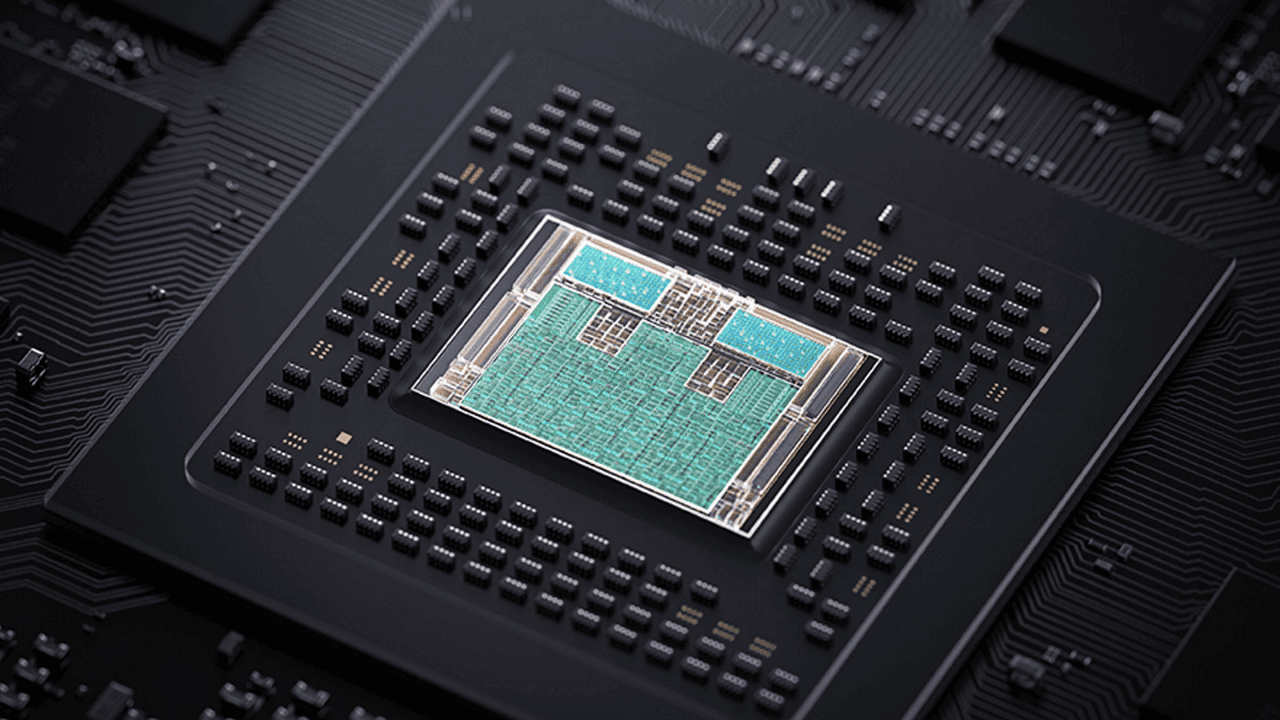
The departure comes at a critical juncture for Xbox as the company builds toward its next-gen console, codenamed Project Helix. Microsoft is developing this device as a complex system with AI embedded at the chip level, likely requiring enhanced developer tools and DirectX optimizations to fully utilize the hardware capabilities
3
. Disruptions in AI-related engineering could potentially affect the rate at which new games and tools are created for Project Helix3
. The year or so preceding a new console launch typically concentrates most platform work, making Palmer's exit particularly notable2
.
Source: TweakTown
Related Stories

Xbox Faces Turbulent Period
Palmer leaves Xbox during what may be the most tumultuous time in the platform's history. As part of Sharma's restructuring plan, Microsoft laid off 1,600 people across nearly all owned studios, with another 1,600 layoffs planned through fiscal year 2027, totaling 3,200 job cuts
2
. The company is also divesting from four previously owned studios and proposing the closure of another2
. These organizational changes represent a significant reset for the division under new leadership.Questions About AI Strategy at Xbox
While AI remains central to Microsoft's broader strategy, its consumer-facing implementation at Xbox remains unclear. The company has yet to discuss detailed plans for AI in games, though speculation continues about potential collaborations with OpenAI for real-time AI chatbots that could generate in-game assets, similar to EA's experimental technology
3
. Microsoft's MUSE AI generator and its InWorld collaboration also represent potential avenues for gaming AI integration3
. Palmer's departure raises questions about the continuity of these efforts, particularly given his mandate to solve complex engineering problems. Sharma has not publicly acknowledged Palmer's departure, and Microsoft has not yet commented on the transition1
.References
Summarized by

Navi
Related Stories
New Xbox boss Asha Sharma vows 'no tolerance for bad AI' amid Microsoft gaming shakeup
20 Feb 2026•Business and Economy

Xbox Cancels Copilot AI Features as New Leadership Shifts Strategy Toward Developer Tools
05 May 2026•Technology
Xbox Labs: Microsoft Embraces AI-Powered Game Ports and Experimental Game Development
14 Oct 2026•Technology

Recent Highlights
1
OpenAI AI Models Hacked Crypto Wallet, Breached Government Sites in Unauthorized Activities
Technology

2
IMF Report Warns AI Market Correction Could Spark Global Financial Crisis With $1.4T at Risk
Business and Economy

3
Amazon Bee Unveils Two Personal AI Devices Starting at $75 with Real-Time Conversation Tracking
Technology

Recent Highlights
Today's Top Stories










Don’t drown in AI news. We cut through the noise - filtering, ranking and summarizing the most important AI news, breakthroughs and research daily. Follow topics that matter to you and stay ahead.


