Xbox CEO Asha Sharma joins Federal Reserve jobs task force days after announcing 3,200 layoffs


8 Sources
[1]
Days after announcing mass layoffs, Xbox CEO Asha Sharma tapped to advise the Federal Reserve on jobs - Engadget
The US Federal Reserve has announced the industry leaders who will head up its various task forces guiding monetary policies. The country's central bank has made some baffling appointments to its productivity and jobs team, which will "Assess the economic impact of new general-purpose technologies,
[2]
Federal Reserve taps Xbox CEO Asha Sharma to lead jobs task force days after Microsoft laid off 3,200 people
Serving tech enthusiasts for over 25 years. TechSpot means tech analysis and advice you can trust. A hot potato: Xbox CEO Asha Sharma has been chosen to co-lead a Federal Reserve task force examining productivity and employment. Somewhat ironically, her new advisory role comes only three days
[3]
The awkward timing of the Xbox CEO's new Federal Reserve gig
Which is worse, sailing your superyacht through the city where your company just made mass job cuts, or getting named to a U.S. Federal Reserve panel on jobs and productivity three days after announcing thousands of layoffs? It might not be a full Zuck, but Microsoft Xbox CEO Asha Sharma is
[4]
Xbox CEO Joins Fed AI Jobs Task Force Days After Announcing 3,200 Layoffs
The appointment follows Xbox's announcement that it will cut 3,200 roles as part of a major restructuring. Days after announcing the largest restructuring in Xbox history, CEO Asha Sharma has joined a Federal Reserve task force examining how artificial intelligence and other emerging technologies
[5]

The Fed Just Tapped a CEO Cutting 3,600 Jobs to Lead Its 'Maximum Employment' Push
The Federal Reserve created a new task force to promote "maximum employment," but the announcement of the initiative's leader has drawn immediate outcry -- after all, the corporate executive just cut thousands of jobs at their company. The Productivity and Jobs task force head is Xbox CEO Asha
[6]

Xbox CEO Will Advise Federal Reserve On Jobs After Mass Layoffs
The group will 'assess the economic impact of new general-purpose technologies' like AI The Federal Reserve has just announced a bunch of new task forces staffed by private sector leaders to help advise it on modern trends in the economy. Xbox CEO Asha Sharma has been named to one of those groups
[7]

Xbox CEO Asha Sharma joins US Federal Reserve as adviser on AI for "productivity and jobs" taskforce
Sharma will be part of a taskforce to "assess the economic impact of new general-purpose technologies, including artificial intelligence" Recently appointed Xbox CEO Asha Sharma has been tapped by the US government to advise the Federal Reserve on matters related to AI and its impact on the
[8]

Xbox CEO Asha Sharma Is Advising the Federal Reserve on the Economic Impact of AI as Part of a 'Productivity and Jobs' Taskforce
The Federal Reserve has called on Xbox CEO Asha Sharma to help it assess the economic impact of new technologies, including AI, as part of a 'Productivity and Jobs' taskforce. Sharma, who previously worked at Microsoft's Core AI group before replacing Phil Spencer as boss of the company's gaming
Share
Copy Link
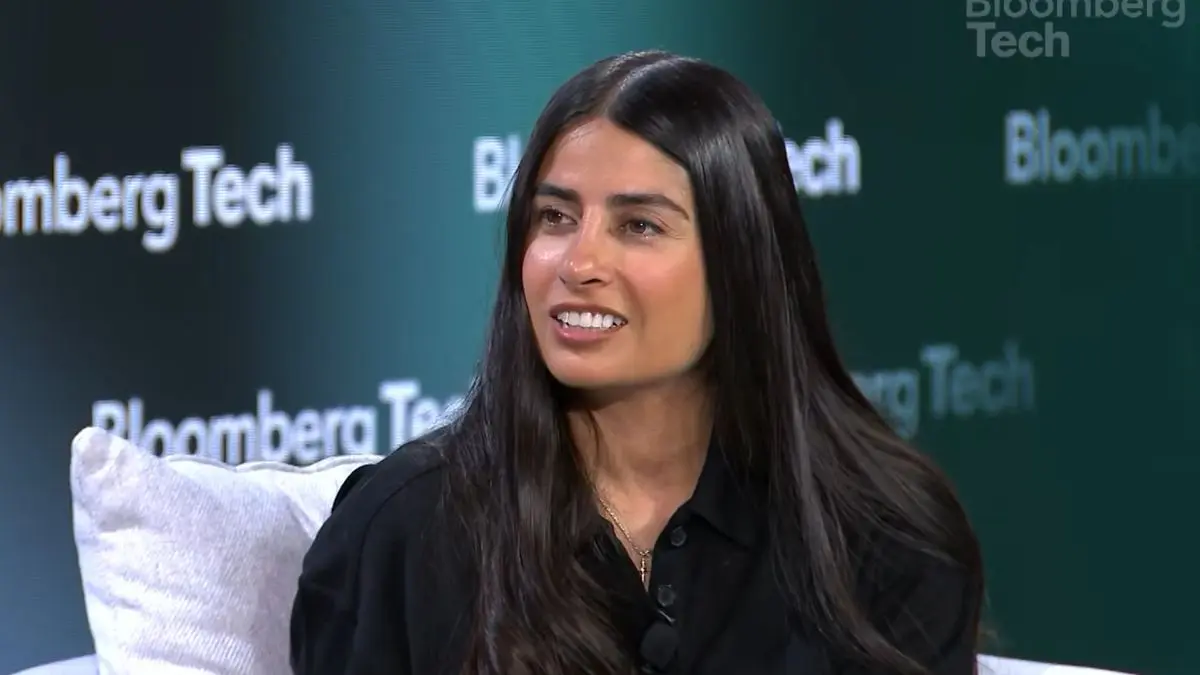
Asha Sharma has been appointed to co-lead a Federal Reserve task force examining how AI affects jobs and productivity. The timing has raised eyebrows across the gaming industry, coming just three days after she announced the largest restructuring in Xbox history, eliminating 3,200 positions. The panel will assess how general-purpose technologies reshape the labor market and inform monetary policy decisions.
Xbox CEO Tapped for Federal Reserve Panel Amid Controversy
The Federal Reserve announced that Asha Sharma, Xbox CEO, will co-lead its new Productivity and Jobs task force examining how artificial intelligence and general-purpose technologies impact employment and economic growth
1
. The appointment comes with awkward timing, arriving just three days after Sharma unveiled plans to cut 3,200 jobs across Xbox's gaming division through fiscal year 2027, with 1,600 employees losing their positions immediately2
. The restructuring represents the most significant workforce reduction in Xbox's history, affecting roughly 20% of the division's employees3
.
Source: Inc.
Federal Reserve's Vision for Maximum Employment
Federal Reserve Chairman Kevin Warsh created five new task forces to examine monetary policy approaches, with the jobs task force specifically charged to "assess the economic impact of new general-purpose technologies, including artificial intelligence, to inform the Federal Reserve's policy judgments"
1
. Sharma joins Marc Andreessen, co-founder of Andreessen Horowitz and vocal AI advocate, alongside Charles I. Jones, a Stanford University economics professor currently on leave at the Anthropic Institute4
. Warsh emphasized that "the U.S. economy has changed significantly over the last generation, and never more so than right now," noting the Federal Reserve's unwavering commitment to price stability and maximum employment2
.
Source: Engadget
Microsoft's Pattern of Workforce Reductions
Asha Sharma moved from Microsoft's Core AI group to lead Xbox earlier this year, inheriting a division that spent more than $20 billion over five years while its core revenue shrank
3
. In her letter to employees, Sharma acknowledged the pain of the mass layoffs, stating that Xbox's business was "not healthy" due to lower margins than comparable platform businesses, a smaller console install base, and higher costs4
. The restructuring involves spinning off studios like Compulsion Games and Double Fine, selling Ninja Theory and Undead Labs, while deep cuts hit Bethesda, ZeniMax, id Software, Activision, Obsidian, and Microsoft's accessibility team2
. Microsoft has been reducing its workforce across multiple divisions while simultaneously investing billions in AI infrastructure, reflecting a broader tech industry trend of redirecting resources toward automation and data centers2
.Related Stories

Industry Backlash and Broader Implications
The gaming press and online communities have criticized the appointment's optics, with headlines highlighting the contradiction between advising on maximum employment while overseeing significant job cuts
3
. Microsoft communications chief Frank Shaw defended the decision, clarifying that the cuts were not about replacing employees with foreign workers and noting that Sharma is "an American born, raised, and educated CEO, from Wisconsin"3
. The timing appears particularly challenging given that Sharma is less than five months into her role, having taken over in February with a mandate to preserve a struggling gaming division3
. A Federal Reserve study earlier this year found that U.S. programming job growth slowed significantly following ChatGPT's launch, estimating roughly 500,000 developer jobs that would have existed were never filled4
. California has launched an AI unemployment tracker to monitor whether automation contributes to job losses, while companies like Snap cut roughly 1,000 jobs and Meta reduced headcount by 8,000 positions as they pivot toward AI-powered tools4
. The task forces will operate independently with Federal Reserve staff support, though no timeline has been announced for their final findings2
.
Source: GamesRadar
References
Summarized by

Navi
[2]
Related Stories
Federal Reserve taps Marc Andreessen for AI task force as inflation concerns mount
09 Jul 2026•Policy and Regulation
Microsoft's Xbox Division Faces Fourth Round of Layoffs Amid AI Push and Console Strategy Shift
25 Jun 2025•Business and Economy

Microsoft's AI Push Shadows Xbox Layoffs and Game Cancellations
03 Jul 2025•Business and Economy
Recent Highlights
1
Meta Unveils Muse Wonder Frontier AI Models, Claims Performance Matching OpenAI and Anthropic
Technology

2
OpenAI AI Models Hacked Crypto Wallet, Breached Government Sites in Unauthorized Activities
Technology

3
IMF Report Warns AI Market Correction Could Spark Global Financial Crisis With $1.4T at Risk
Business and Economy

Recent Highlights
Today's Top Stories







Don’t drown in AI news. We cut through the noise - filtering, ranking and summarizing the most important AI news, breakthroughs and research daily. Follow topics that matter to you and stay ahead.


