Zurich robotics startup Enact Intelligence raises $30M to give robots sense of touch


2 Sources
[1]
Zurich startup Enact raises $30M to give robots a sense of touch
The physical AI company measures force inside a robot's motors, and counts Yann LeCun among its backers. Zurich-based Enact Intelligence has emerged from stealth with a $30M pre-seed round from redalpine, Notion Capital and firstminute capital. It builds robots that sense force and touch through
[2]
Robotics startup Enact Intelligence nabs $30M funding round
Swiss robotics startup Enact Intelligence today announced that it has raised $30 million in pre-seed funding. The capital was provided by a consortium that included Yann LeCun, one of the world's most prominent artificial intelligence researchers. He was joined by Mistral AI SAS Chief Executive
Share
Copy Link
Enact Intelligence, a Zurich-based robotics startup, has emerged from stealth with $30 million in pre-seed funding to develop robots that sense force and touch through their motors. Backed by AI luminaries including Yann LeCun and Arthur Mensch, the company is building AI models that work across different robot designs while developing actuators that double as sensors.
Enact Intelligence Secures Record Pre-Seed Funding
Enact Intelligence, a Zurich-based robotics startup, has emerged from stealth with $30 million in pre-seed funding, marking Switzerland's largest pre-seed round ever raised
1
. The round was backed by venture firms redalpine, Notion Capital, and firstminute capital, with notable angel investors including Yann LeCun, whose own AI lab AMI Labs raised about $1 billion in March, and Mistral AI CEO Arthur Mensch1
2
. The $30 million funding round is approximately four times the $7.2 million that Budapest's Allonic raised in February, which was considered a Hungarian record1
.Developing Robots with Force-Sensing Technology
Enact Intelligence is building robots that sense force and touch through their motors rather than relying solely on cameras. The company measures force inside a robot's actuators, comparing this approach to how people feel tension in their muscles, not only at their fingertips
1
. This force-sensing technology addresses a critical gap in robotics, where most robots today rely mainly on cameras to understand the world, making it difficult for them to handle objects, work reliably, and learn from experience1
. While traditional touch sensors can help, they tend to be too costly and fragile for factory work, which is why the UK's ARIA research agency is spending £52 million on robot dexterity projects, including electronic skin1
.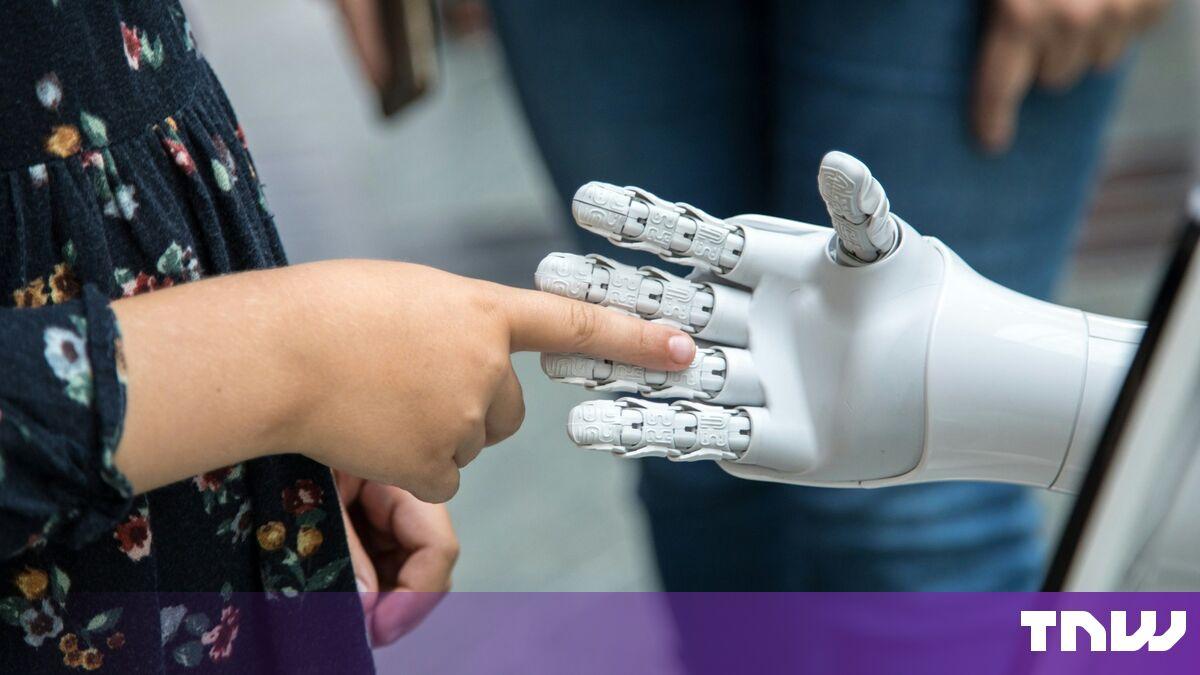
Source: The Next Web
AI Models for Robotics Across Multiple Form Factors
Enact is developing AI models for robotics that are optimized to control robots across a wide range of designs, from simple robot arms to full humanoids
2
. Manuel Yves Galliker, the company's founder and CEO, explained that "we can build on top of existing models, like video models, and adapt them to output robot actions for interacting with the real world"1
. Unlike traditional AI models that were historically tailored to specific robot form factors, Enact's algorithms are designed to support multiple robot configurations2
. A recent job posting indicates that Enact is pursuing an ambitious approach by hiring AI researchers with expertise in pre-training, suggesting the company is developing AI models from scratch rather than customizing open-source models2
.Actuators That Double as Sensors
Enact is developing not only AI models but also physical robot components, most notably actuators that act as both mechanical subsystems and sensors
2
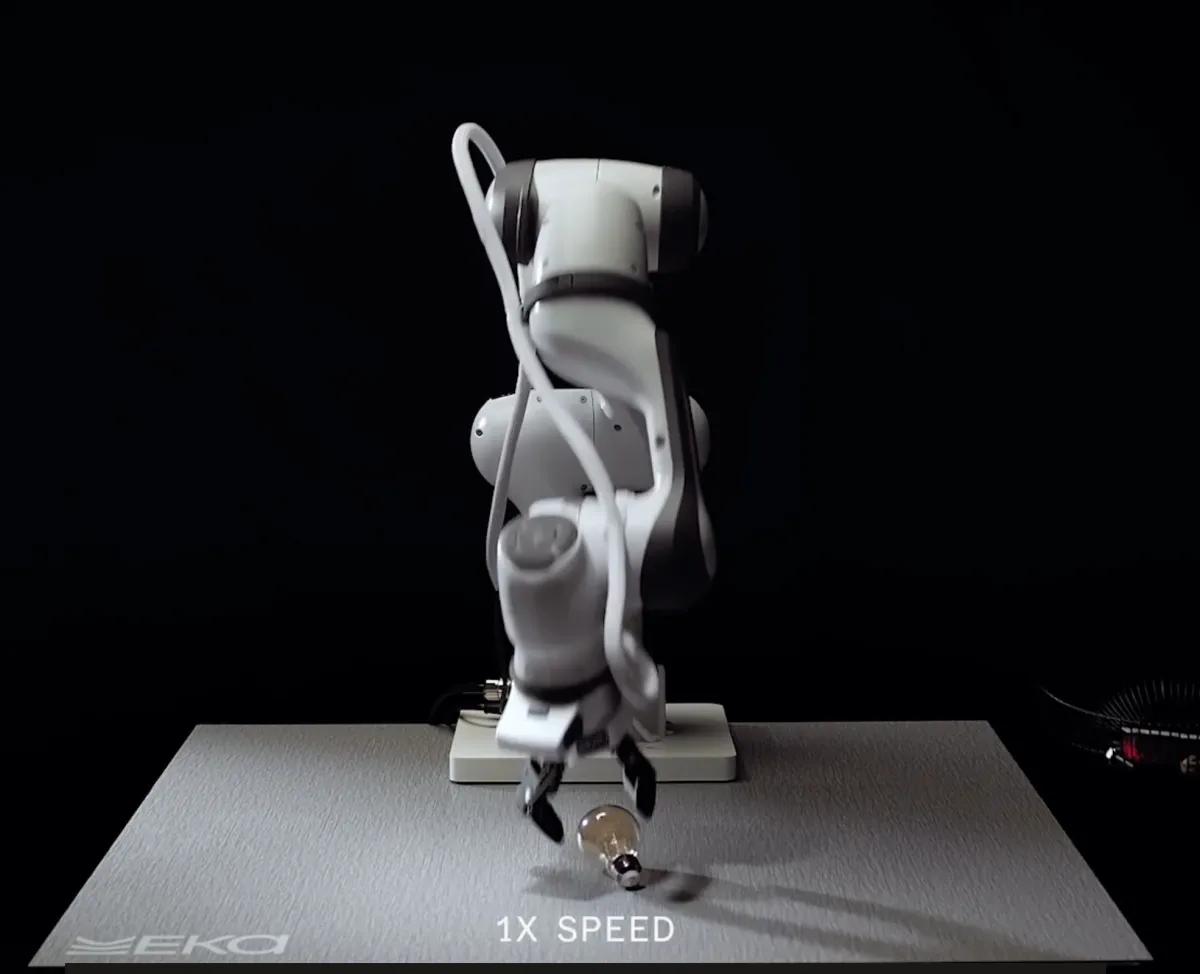
. These actuators combine an electric motor with a chip that controls its motion and can "sense force and touch," measuring the amount of pressure a robot applies to objects2
. While Enact hasn't specified exactly how the technology works, earlier attempts by companies like Google and Allegro MicroSystems suggest the use of Back EMF technology, which measures counter-electromotive force generated when a motor spins2
. A job posting indicates that Enact plans to use field-programmable gate arrays, or FPGAs, to power its robots, allowing for better performance and power efficiency than standard chips2
.Related Stories


Strategic Location and Team Expertise
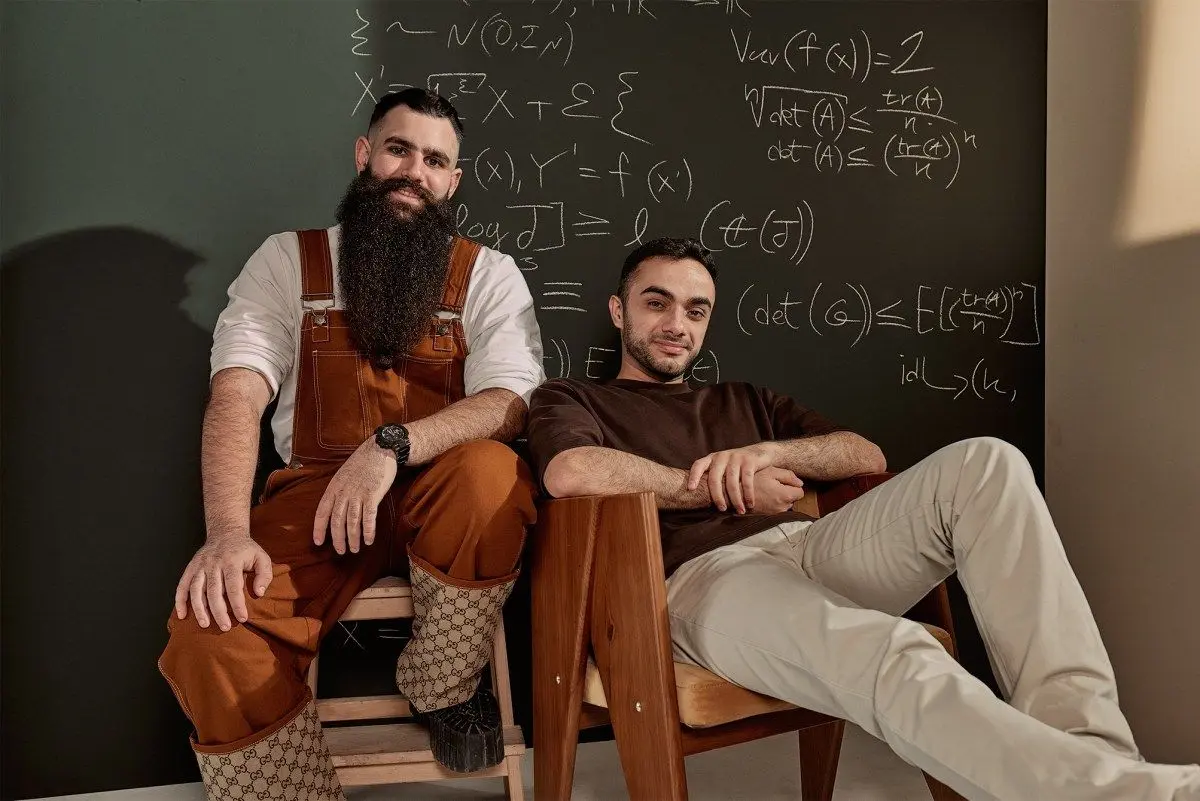
Manuel Yves Galliker founded Enact Intelligence in March after previously leading software development for the NEO humanoid at 1X Technologies, whose new hands can sense touch, and working at robotics lab Physical Intelligence
1
2
. Galliker deliberately chose Zurich over Silicon Valley, explaining that "Silicon Valley has traditionally been very strong in software and AI, but it's lacking in robotics and hardware engineering talent"1
. The 12-person team includes engineers from DeepMind, Amazon Robotics, and defense firm Helsing1
. Zurich is also home to Gravis Robotics, which raised $200 million in August for software that lets diggers work autonomously1
.Expansion Plans and Industry Partnerships
Enact Intelligence plans to use the pre-seed funding to grow its team fivefold by the end of 2027 and accelerate its hardware development
1
2
. The company is currently in talks with large European companies in manufacturing, infrastructure, retail, and food processing to deploy its first robots1
. This focus on practical industrial applications suggests Enact is positioning itself to address real-world challenges where robot dexterity and reliable object handling are critical for automation success.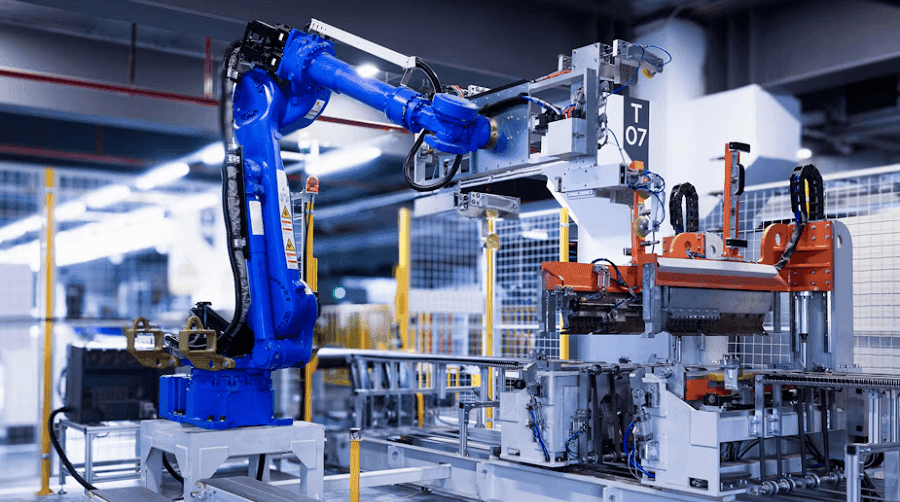
Source: SiliconANGLE
References
Summarized by

Navi
[1]
[2]
Related Stories
Recent Highlights



Recent Highlights
Today's Top Stories





Don’t drown in AI news. We cut through the noise - filtering, ranking and summarizing the most important AI news, breakthroughs and research daily. Follow topics that matter to you and stay ahead.


