Share
Linkedin
Twitter
Facebook
Whatsapp
Copy Link
Nvidia completed its $5 billion investment in Intel, purchasing 214 million shares at $23.28 each. With Intel stock now trading at $36.68, Nvidia's stake has surged to $7.58 billion. The partnership will jointly develop next-generation chips for data centers and PCs, integrating Nvidia GPUs with Intel CPUs via high-speed NVLink technology.
President Trump has reversed course on Big Tech, eliminating limits on AI chip exports and fast-tracking data center construction. Major tech companies pledged $1.4 trillion in domestic investments while stocks soar. But the mutually beneficial alliance is dividing Republicans and raising questions about regulation.
Chinese modders are upgrading Nvidia's RTX 5080 GPUs from 16GB to 32GB VRAM, specifically targeting AI workstations and servers. The modifications use blower-style cooler designs and could intensify existing GPU supply shortages, particularly affecting gamers as AI-focused buyers sweep up inventory at a fraction of RTX 5090 prices.
Japan's Ministry of Economy, Trade and Industry is set to nearly quadruple its budgeted support for cutting-edge semiconductors and AI development to ¥1.23 trillion ($7.9 billion) for fiscal year 2025. The massive increase reflects Japan's push to strengthen its position in frontier technology as the U.S. and China continue their dominance, while also securing better supply chain access for critical technologies.
Nvidia has agreed to acquire AI chip challenger Groq for $20 billion in cash, marking the GPU giant's largest deal ever. The transaction includes licensing Groq's intellectual property and hiring key talent, including CEO Jonathan Ross, while Groq remains an independent entity. The deal raises questions about Nvidia's strategy to extend its AI dominance and whether it's worth the hefty price tag.
Megaspeed International, formerly a Chinese gaming company, has become Nvidia's biggest Southeast Asian customer in under three years. Now the Singapore-based firm faces US government investigation over potential chip smuggling to China, exposing critical gaps in export controls designed to limit China's AI capabilities. The case highlights how complex global AI supply chains make enforcement increasingly difficult.
The AI infrastructure boom is creating a global RAM shortage that could reshape consumer electronics markets in 2026. IDC warns that smartphone prices may spike 5-10% for budget models, while the PC market faces a potential 9% contraction. Memory manufacturers are redirecting production from consumer devices to high-margin AI data center components, creating a supply crisis that analysts say could persist for years.
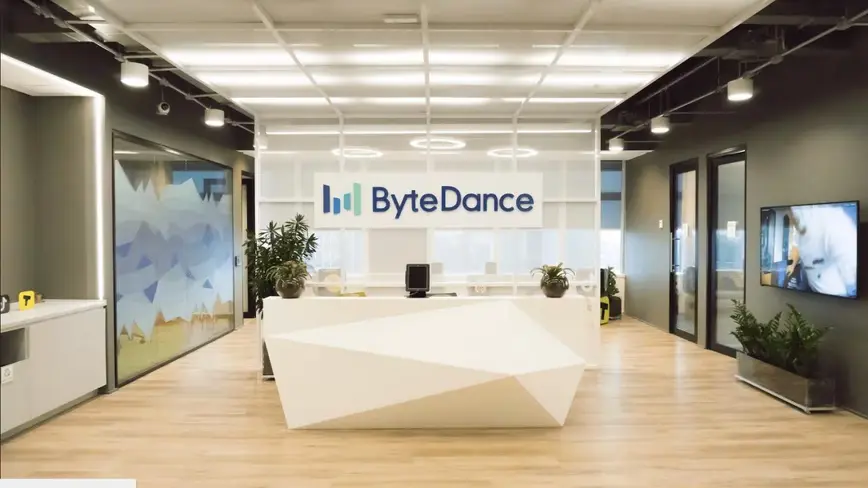
TikTok parent ByteDance plans to invest $23 billion in artificial intelligence infrastructure in 2026, marking a significant increase from this year's spending. About half the budget will target advanced semiconductors for AI models, despite ongoing uncertainty over access to Nvidia chips due to U.S. export controls.
Michael Burry, famed for predicting the 2008 crisis, warns that Nvidia's energy-intensive AI chips could disadvantage the US against China in the global AI race. He points to China's superior energy generation capacity and rapid infrastructure expansion as key advantages, while criticizing America's constrained power grid and calling for a shift to more efficient AI-tuned ASICs.
The AI boom is creating intense pressure on the videogame console industry as memory chip demand exceeds supply. Sony, Microsoft, and Nintendo may raise console prices by 10-15% over the next two years while gaming hardware spending fell 27% last month. Memory makers prioritize higher-margin data-center chips for AI infrastructure, leaving consumer devices facing constrained supply and increased chip prices.
Shanghai-based Biren has kicked off bookbuilding for a Hong Kong IPO targeting up to $624 million, becoming the first mainland GPU developer to list in the city. Rival Iluvatar CoreX followed days later with its own filing, riding a wave of investor enthusiasm after Moore Threads and MetaX saw their shares surge over 400% and 693% respectively on debut. But widening losses and U.S. trade restrictions cast shadows over the sector's path to profitability.
Nvidia plans to deliver up to 80,000 H200 AI chips to China before the Lunar New Year, marking the first legal export of this caliber since 2022. The shipments follow Donald Trump's policy reversal allowing sales with a 25% revenue share to the US Treasury. But Beijing hasn't approved purchases yet, and bipartisan opposition in Washington threatens the deal as China weighs the impact on its domestic chipmaking industry.
Tech giants are pouring unprecedented sums into artificial intelligence infrastructure, with commitments reaching $1.5 trillion. But economists, including former White House advisers, warn that financial valuations of tech companies may be dangerously inflated. The massive spending on AI infrastructure far outpaces current returns, raising questions about sustainability and the risk of market correction.
Samsung has officially announced the Exynos 2600, marking a significant milestone as the world's first 2nm smartphone chip. Built using advanced Gate-All-Around technology, the flagship system-on-a-chip promises substantial performance gains with a 39% CPU boost and 113% improvement in generative AI performance. The chip is already in mass production and expected to debut in the Galaxy S26 series early next year.
Elon Musk delivered an optimistic message at xAI's San Francisco headquarters, telling staff the next two to three years will determine winners in the AI race. He suggested xAI might reach AGI as soon as 2026 with its Grok 5 model, backed by $20-30 billion in annual funding and plans to scale to one million GPUs. The company is leveraging synergies with Tesla and rapidly expanding its Colossus data center project.
Don’t drown in AI news. We cut through the noise - filtering, ranking and summarizing the most important AI news, breakthroughs and research daily. Follow topics that matter to you and stay ahead.