Share
Linkedin
Twitter
Facebook
Whatsapp
Copy Link
AM Group announced a massive $25 billion AI compute hub project in Greater Noida, Uttar Pradesh, at the World Economic Forum in Davos. The 1 GW facility will handle global AI workloads using carbon-free energy, with initial capacity launching in 2028 and full operations by 2030. The project promises thousands of high-skilled jobs and positions India as a major player in AI infrastructure.
Bengaluru-based fabless semiconductor startup Sensesemi has secured ₹25 crore in seed funding led by Piper Serica to develop edge AI chips that integrate AI inferencing, wireless connectivity, and analog signal processing on a single chip. The startup targets industrial IoT, automotive systems, and medical devices with its ultra-low power consumption architecture.
Nvidia has invested $150 million in AI inference startup Baseten, which raised $300 million at a $5 billion valuation—more than double its previous worth. The deal signals a strategic pivot as the AI industry shifts focus from model training to large-scale deployment, with Baseten helping companies like Cursor and Notion run AI models efficiently in production.
San Jose-based Ethernovia secured $90 million in Series B funding to advance its Ethernet-based processors for autonomous vehicles and robotics. The round was led by Maverick Silicon, an AI-focused fund launched by hedge fund Maverick Capital in 2024. The investment signals growing investor interest in physical AI infrastructure as billions flow toward companies enabling real-world AI applications beyond software.
Dario Amodei stunned the World Economic Forum in Davos by publicly criticizing Nvidia's H200 chip exports to China, comparing the move to nuclear proliferation. The remarks are particularly striking given Nvidia's $10 billion investment in Anthropic and their deep technology partnership announced just two months ago.
A three-month-old AI startup founded by alumni from Anthropic, xAI, and Google DeepMind just raised one of the largest seed rounds ever. Humans& secured $480 million at a $4.48 billion valuation to build foundation models designed for social intelligence and collaboration. The company argues that coordination between people and AI systems is the next frontier, moving beyond chatbots that serve one user at a time.
Seoul-based AI chip developer FuriosaAI is raising $300 million to $500 million in a Series D funding round to challenge Nvidia. The startup, valued at $735 million in July, will receive its first mass-produced RNGD chips from TSMC this month. The company plans an initial public offering as early as 2027 while scaling production of its tensor contraction-based processors.
Micron Technology signed a letter of intent to acquire Powerchip's P5 fabrication site in Taiwan for $1.8 billion, adding 300,000 square feet of cleanroom space to ramp up DRAM production. The deal comes as memory markets remain tight, with Micron having already pre-sold all its high-bandwidth memory output for 2026 amid soaring demand from AI infrastructure.
ASUS Chairman Jonney Shih confirmed the company will stop launching new smartphones, including Zenfone and ROG phones, to focus entirely on AI hardware. The strategic shift redirects R&D resources toward commercial PCs, robotics, and smart glasses as AI servers now account for 20% of company revenue with over 100% year-on-year growth.
Tesla is reviving its abandoned Dojo3 AI chip project just five months after shutting it down. CEO Elon Musk says the restarted effort will focus on space-based AI compute rather than training self-driving models. The move comes as Tesla's AI5 chip design reaches completion and the company rebuilds its disbanded hardware team.
Eric Demers, the GPU architect who designed ATI's legendary Radeon GPUs and led Qualcomm's Adreno development for 14 years, has joined Intel to lead GPU engineering with a focus on AI. The move signals Intel's commitment to competing in the datacenter AI chip market, where Nvidia and AMD currently dominate.
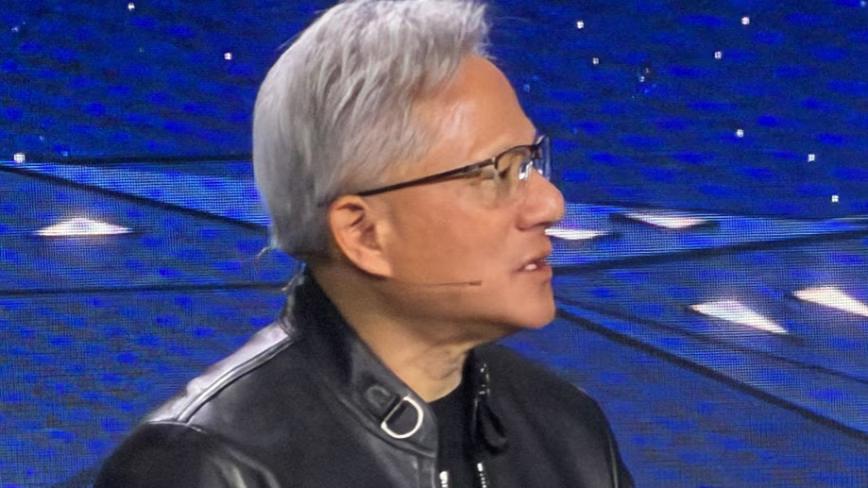
Jensen Huang confirmed that Nvidia has dethroned Apple as TSMC's largest customer, marking a significant shift in the semiconductor industry. The change reflects explosive AI demand, with enterprise customers pouring billions into AI GPUs while Apple faces unprecedented competition for advanced chip supply and potentially higher silicon costs.
Major memory manufacturers including Kioxia, Micron, and SK Hynix report sold-out capacity through 2026 as AI infrastructure consumes available supply. The memory chip shortage is driving prices up by as much as 30%, affecting everything from consumer SSDs to smartphones. Micron calls the shortage unprecedented, while industry executives warn that affordable storage options may be gone for good.
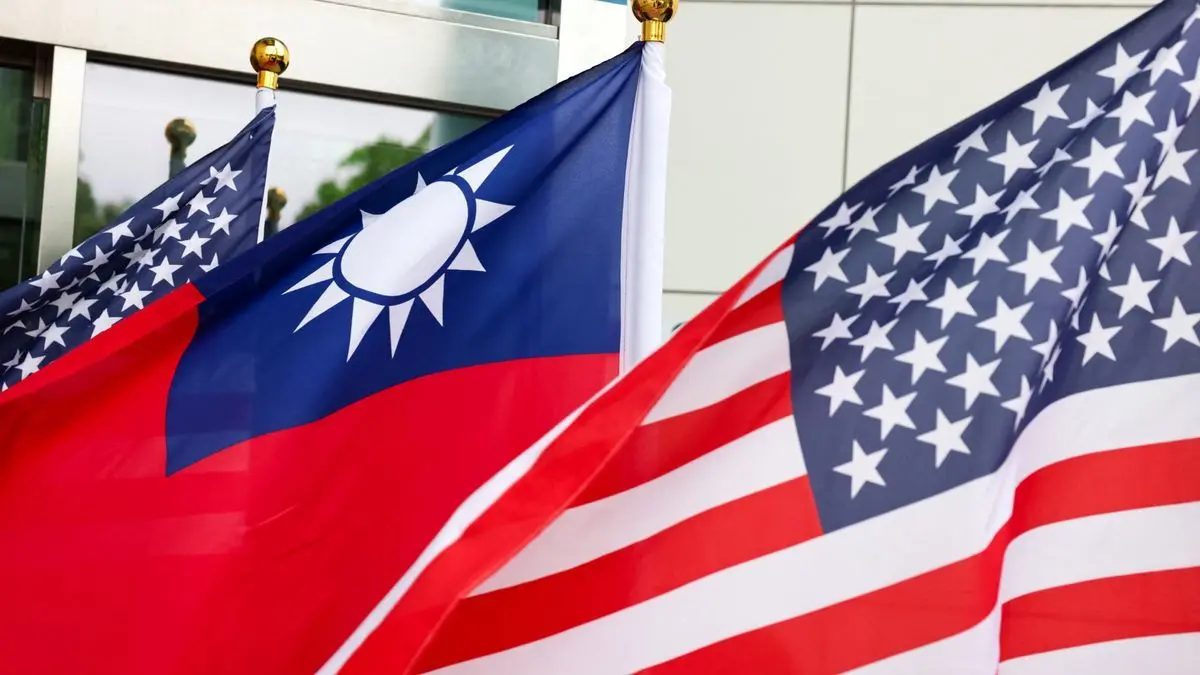
Taiwan and the United States have finalized a trade agreement that slashes tariffs from 20% to 15% in exchange for $250 billion in Taiwanese investment in semiconductors, energy, and AI operations. The deal includes another $250 billion in credit guarantees and offers zero tariffs within manufacturing quotas, aiming to reshape America's semiconductor sector while preserving Taiwan's vital chip industry.
SiFive has become the first maker of RISC-V chip designs to integrate Nvidia NVLink Fusion interconnect technology. The partnership enables RISC-V CPU cores to connect with Nvidia's AI chips at speeds matching Intel and Arm implementations. Products featuring this integration won't reach the market until 2027 or later, but the move signals a multi-generational commitment between both companies.
Don’t drown in AI news. We cut through the noise - filtering, ranking and summarizing the most important AI news, breakthroughs and research daily. Follow topics that matter to you and stay ahead.