Share
Linkedin
Twitter
Facebook
Whatsapp
Copy Link
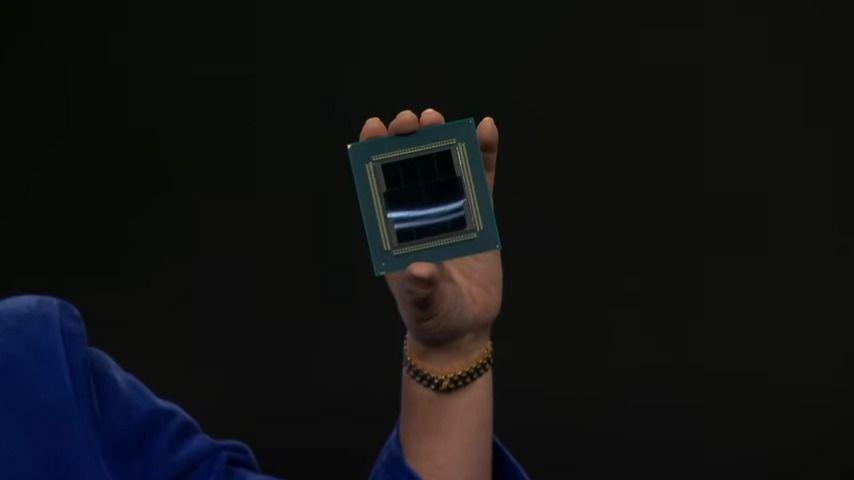
AMD CEO Dr. Lisa Su delivers the opening keynote at CES 2026 on January 5, outlining the company's vision for AI solutions across cloud, enterprise, edge and devices. The presentation is expected to unveil new Ryzen chips including the AI 400 series and refreshed desktop processors, as AMD positions itself against rivals NVIDIA and Intel in the accelerating AI race.
Nvidia CEO Jensen Huang is visiting Taiwan this month to formally sign construction plans for the company's first global headquarters outside the US. The visit includes hosting the iconic 'trillion-dollar dinner' with key supply chain partners including TSMC, Foxconn, and Quanta as surging demand for AI chips intensifies pressure on the semiconductor ecosystem.
Intel officially launched its Core Ultra Series 3 processors, codenamed Panther Lake, at CES 2026 in Las Vegas. These chips mark a significant milestone as Intel's first high-volume production using its advanced 18A process technology. The company claims up to 50% better performance than Lunar Lake while delivering enhanced power efficiency that enables laptops to achieve over 40 hours of battery life.
Mammotion unveiled its 2026 lineup of autonomous robot lawn mowers at CES 2026, with the Luba 3 AWD leading the pack. The flagship model uses lidar sensors, AI vision, and NetRTK positioning to navigate yards without boundary wires. It climbed a wall-like 38.6-degree incline with ease during demos, showcasing all-wheel drive capabilities that outperform most competitors in the growing smart lawn care market.
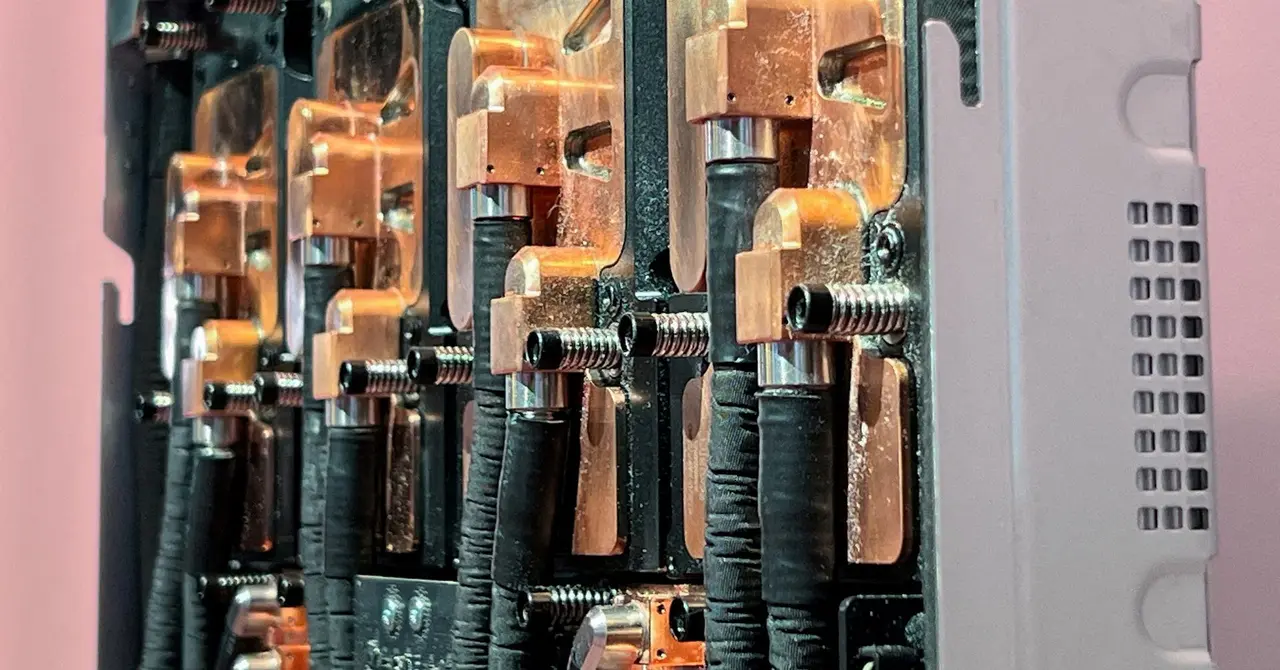
Nvidia CEO Jensen Huang outlined a major strategic shift at CES 2026, emphasizing serviceability and inference economics while announcing a $20 billion Groq licensing deal. The move signals the end of one-size-fits-all GPUs as AI inference workloads split into prefill and decode phases, with the Vera Rubin platform designed for modular maintenance and continuous operation in constrained power environments.
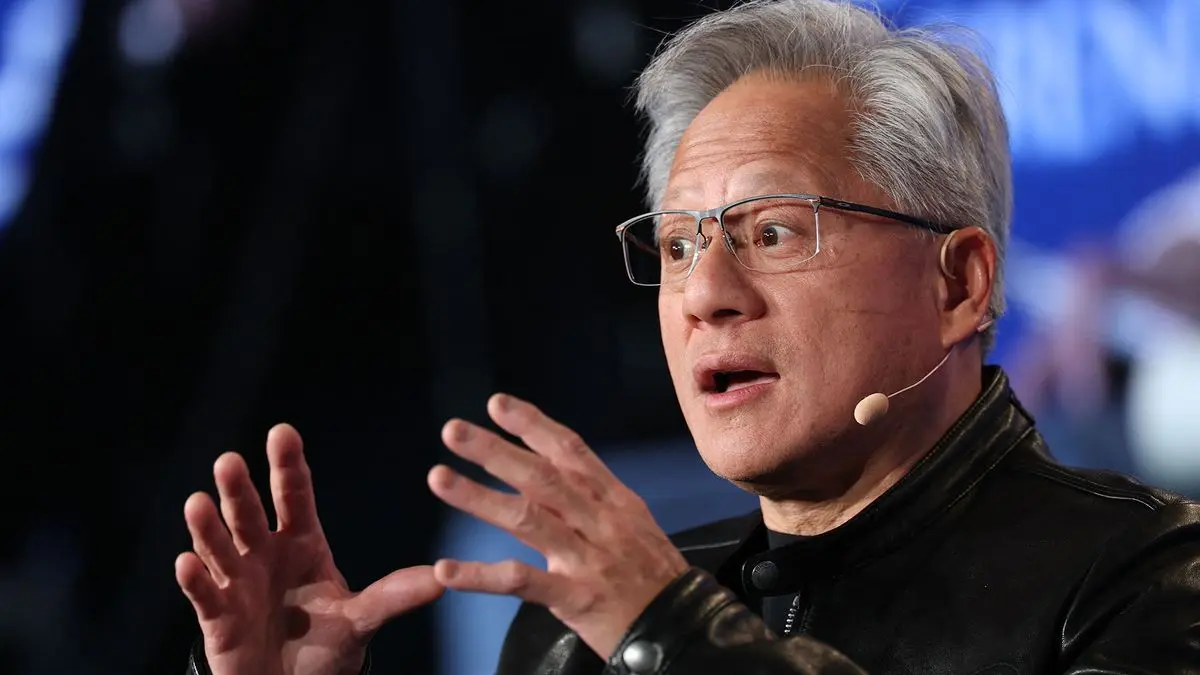
Nvidia kicks off CES 2026 with a keynote from CEO Jensen Huang on January 5, focusing on the future of artificial intelligence, robotics, and accelerated computing. Following a year where the company's market valuation exceeded $5 trillion, all eyes turn to Las Vegas as Huang reveals what's next for AI-powered technologies across industries, from data centers to physical robotics.
NVIDIA CEO Jensen Huang declares Tesla's Optimus humanoid robot capable of igniting a multi-trillion dollar industry. A resurfaced video shows Huang praising the NVIDIA-Tesla partnership and calling Optimus a gigantic opportunity uniquely positioned for high-volume production. Analysts project the humanoid robotics market could reach $9 trillion by 2050.
Aravind Srinivas, CEO of Perplexity AI, argues that local intelligence running on personal devices poses the biggest threat to centralized data centers. His contrarian view challenges the prevailing model where tech giants pour billions into massive GPU infrastructure, suggesting a shift toward decentralized AI could reshape the industry's economics.
Beijing-based Zhipu AI raised $558 million in its Hong Kong IPO, becoming the first major Chinese generative AI startup to go public. Despite reporting just $27 million in sales and deepening losses, the company's co-founder predicts US AI developers will face the same price-based competition that has forced Chinese firms to forgo profits, with Zhipu charging one-seventh the cost of rivals like Anthropic.
Google announced Project Suncatcher for 2027 test launches while Elon Musk predicts space data centers will become the most cost-effective AI training solution within five years. Industry leaders including Jeff Bezos, Sam Altman, and Jensen Huang back the orbital computing vision as terrestrial facilities face power shortages and local opposition.
Baidu has confidentially filed for a Hong Kong listing of Kunlunxin, its AI chip unit valued at $3 billion. The move comes as Chinese chipmakers race to secure funding amid Beijing's push for semiconductor self-sufficiency and escalating U.S.-China tech tensions. Kunlunxin designs powerful AI accelerators essential for data centers, positioning itself alongside Huawei and Cambricon as China seeks alternatives to Nvidia chips.
Samsung Electronics says customers praised its HBM4 chips, declaring 'Samsung is back' as the chipmaker fights to reclaim AI memory leadership. Meanwhile, Nvidia's Vera Rubin platform enters full production, triggering an aggressive capacity race among memory suppliers targeting next-generation high-bandwidth memory dominance.
Brookfield Asset Management, one of the world's largest alternative investment firms, is planning to launch a cloud computing business called Radiant that will lease AI chips directly to customers. The move is tied to a $100 billion AI infrastructure program and could challenge AWS and Microsoft Azure by leveraging Brookfield's energy sector investments to control the AI value chain.
Major PC and smartphone manufacturers are warning of significant price increases in 2026 due to an AI-driven memory chip shortage. Companies like Dell, Lenovo, HP, Asus, and Samsung confirm that rising costs of DRAM and NAND chips will push device prices up by 15-20%, as AI data centers consume the bulk of global memory production.
Chinese technology companies have ordered over 2 million H200 chips for 2026, but Nvidia holds only 700,000 units in stock. CEO Jensen Huang confirms demand is "very high" as the company works with TSMC to ramp up production while navigating U.S. export licensing and awaiting Beijing's approval for shipments.
Don’t drown in AI news. We cut through the noise - filtering, ranking and summarizing the most important AI news, breakthroughs and research daily. Follow topics that matter to you and stay ahead.