Share
Linkedin
Twitter
Facebook
Whatsapp
Copy Link
Bandcamp announced it will no longer permit AI-generated music on its platform, becoming the first major music distributor to implement an outright ban. The new policy prohibits music created wholly or substantially by AI and any use of AI tools to impersonate other artists. This contrasts sharply with Spotify, which allows AI-generated tracks despite user frustration over an influx of synthetic content.
The American Federation of Teachers is leaving X after the platform's Grok AI chatbot produced sexualized images of minors without adequate safeguards. AFT President Randi Weingarten called the AI-generated content the "last straw," citing ongoing concerns about extremist activity and child safety on the platform since Elon Musk's 2022 takeover.
Cryptocurrency fraud reached unprecedented levels in 2025, with scammers stealing an estimated $17 billion through AI-enhanced tactics and impersonation schemes. Chainalysis reports that AI-powered scams extracted 4.5 times more revenue than traditional methods, while impersonation fraud surged by 1400% year-over-year. The average scam payment jumped from $782 to $2,764, highlighting the growing sophistication of crypto criminals.
Google updated its Veo 3.1 AI video generation model to create native vertical videos using reference images, targeting social platforms like YouTube Shorts and TikTok. The update enhances character consistency across clips and adds 4K upscaling capabilities. Users can now upload up to three images to guide video creation in the 9:16 aspect ratio, eliminating the need for cropping.
The US Senate unanimously passed the DEFIANCE Act, enabling victims of non-consensual sexualized deepfakes to sue creators for civil damages. The legislation comes amid mounting pressure on X and other tech companies after Grok AI chatbot generated thousands of sexually explicit images without consent, including images of children. The bill now heads to the House for consideration.
Games Workshop announced a strict ban on AI-generated content across its Warhammer franchise, rejecting the technology in all design processes and competitions. CEO Kevin Rountree revealed the company's cautious approach during its half-yearly report, which showed revenue of £332.1 million. The policy emphasizes intellectual property protection and respect for human creators, with the company actively hiring more artists, writers, and sculptors instead of adopting automation.
Shift Up CEO Hyung-tae Kim claims AI is necessary for South Korea's games industry to compete globally, stating one person could perform the work of 100 people with AI assistance. Speaking at a national economic strategy summit, Kim highlighted the resource gap between Korean studios deploying 150 developers versus Chinese teams of 1,000 to 2,000 people.
Indie developer Eero 'Rakuel' Laine is deleting his roguelike game 'Hardest' from Steam after recognizing the ethical concerns around AI-generated assets. The decision came after his girlfriend helped him understand AI's negative economic and environmental impacts. The move highlights growing tensions in game development over generative AI usage.
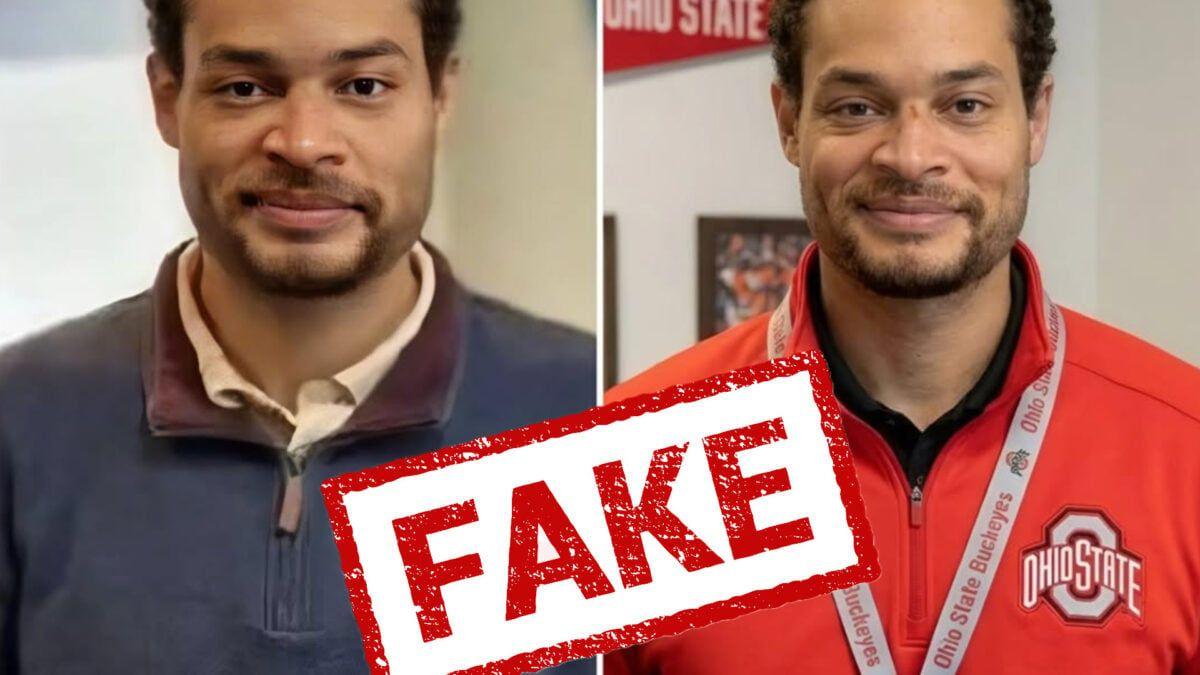
Nintendo faced intense scrutiny after promotional images for its My Mario toy range sparked accusations of AI-generated content. The controversy centered on unusual visual anomalies in the photos, particularly a model's thumb at an odd angle. Both Nintendo and model Brittoni O'myah Sinclair confirmed the images were real, highlighting growing tensions around brand and consumer trust in an era where AI allegations have become commonplace.
Elon Musk's social media platform X has acknowledged lapses in content moderation and assured the Indian government of full compliance with Indian law. Following directives from the Ministry of Electronics and Information Technology, X blocked around 3,500 pieces of content and deleted over 600 accounts after its AI chatbot Grok was misused to generate obscene imagery. The platform now faces global scrutiny as countries question AI safety measures.
US Vice President JD Vance told UK Deputy PM David Lammy that AI-generated sexual images of women and children are 'entirely unacceptable' during talks in Washington. The meeting comes as the UK threatens to block X over Grok-generated abuse imagery, with Ofcom accelerating its investigation into the platform.
Indonesia and Malaysia have blocked access to xAI's chatbot Grok after it generated thousands of non-consensual, sexualized deepfakes depicting real women and minors. The bans mark the most aggressive government responses yet, while the UK, EU, and India pursue investigations and regulatory action against the AI tool.
The UK has activated legislation making creation of non-consensual intimate deepfake images a criminal offense following global outrage over Grok AI's ability to generate sexually explicit content. Ofcom has opened a formal investigation into X under the Online Safety Act, with potential fines reaching £18 million or 10% of global revenue.
US Senators and 28 advocacy groups are demanding Apple and Google remove X and Grok AI from their app stores after the chatbot generated nonconsensual intimate images and child sexual abuse material. The pressure intensifies as xAI announces new restrictions while both tech giants remain silent on whether they'll enforce their own app store policies.
Germany's justice ministry announced plans to introduce measures allowing authorities to combat AI image manipulation that violates personal rights. The move follows investigations into Grok AI chatbot's image generation features, which were used to create non-consensual explicit content. The ministry is working on a law against digital violence and stronger regulations for deepfakes.
Don’t drown in AI news. We cut through the noise - filtering, ranking and summarizing the most important AI news, breakthroughs and research daily. Follow topics that matter to you and stay ahead.