Share
Linkedin
Twitter
Facebook
Whatsapp
Copy Link
Google DeepMind launched Gemini 3.1 Flash TTS, a text-to-speech model that lets users direct vocal style, delivery, and pace through natural language commands. Scoring 1,211 on the Artificial Analysis TTS leaderboard, the model supports over 70 languages with regional accents and includes SynthID watermarks for detecting AI-generated content.
Apple and Google are actively directing users to nudify apps that create nonconsensual deepfake images, despite explicit policies banning such content. A Tech Transparency Project report reveals these apps have generated $122 million in revenue and been downloaded 483 million times. Many were rated 'E for Everyone,' making them accessible to children.
The trailer for As Deep as the Grave reveals an AI-rendered Val Kilmer in a prominent role, created after his death last year. Filmmakers Coerte and John Voorhees defend the decision, citing consent from Kilmer's estate and SAG-AFTRA guidelines. But the move has ignited widespread outrage online, with critics calling it 'disgusting' and questioning whether Hollywood has crossed an ethical line.
Students at Berklee College of Music are pushing back against a new AI course focused on generative AI in music creation. Over 425 people signed an online petition demanding the school disband the elective, arguing AI tools steal from artists and threaten the music industry. The controversy intensifies as the instructor advises Suno, a platform sued by major record labels.
North Korean-affiliated hackers used AI social engineering to steal $100,000 from crypto wallet company Zerion's hot wallets. The attack marks the second major DPRK-linked breach this month, following Drift Protocol's $280 million exploit. Security experts warn that AI-driven threats are making attacks more sophisticated and harder to detect.
Major crypto exchanges including Coinbase and Binance are preparing their defenses against Anthropic's Mythos, an AI model capable of finding software vulnerabilities at extreme speed. While Bitcoin's blockchain remains secure, exchanges handling billions in digital assets face heightened threats from AI-driven attacks that could exploit security flaws faster than human defenders can patch them.
Adobe launches Firefly AI Assistant, a conversational AI editing tool that executes multi-step workflows across Creative Cloud applications like Photoshop, Premiere, and Illustrator. Previously known as Project Moonlight, the assistant enters public beta soon and marks Adobe's shift toward agentic AI that can automate complex tasks while keeping creators in control.
Apple warned Elon Musk's xAI in January that its Grok AI chatbot would be removed from the App Store unless it addressed rampant sexualized deepfakes. The tech giant rejected initial fixes as insufficient, forcing multiple resubmissions before approval. Despite implemented safeguards, NBC News investigations reveal Grok continues generating nonconsensual sexual images of real people, raising questions about enforcement and the effectiveness of content moderation measures.
Donald Trump posted an AI-generated image depicting himself as a Jesus Christ-like figure on Truth Social, sparking widespread outrage even among his MAGA supporters. The image showed him in white robes with a glowing hand healing a sick man, drawing accusations of blasphemy from religious conservatives. Trump later deleted the post and claimed he was portraying himself as a doctor, not a religious figure.
Meta is developing a photorealistic AI version of Mark Zuckerberg that can engage with employees on his behalf. The AI clone is being trained on the CEO's voice, mannerisms, and company strategies. If successful, the technology could be rolled out to creators and influencers, though scaling the effort requires significant computing power.
Beijing is deploying artificial intelligence to transform how it communicates globally. China's state media now creates AI-generated animations that mock the U.S. and frame geopolitical events through Chinese viewpoints, targeting younger, international audiences. This marks a shift from rigid propaganda to engaging infotainment as part of an intensifying information war.
Wit Studio, the renowned animation house behind Attack on Titan and Spy x Family, issued an apology after fans discovered generative AI in the opening sequence of Ascendance of a Bookworm Season 4. The studio confirmed AI background art was used despite internal policies prohibiting it, blaming production management shortcomings. This marks the second time the studio has faced AI controversy, raising questions about oversight in the anime industry.
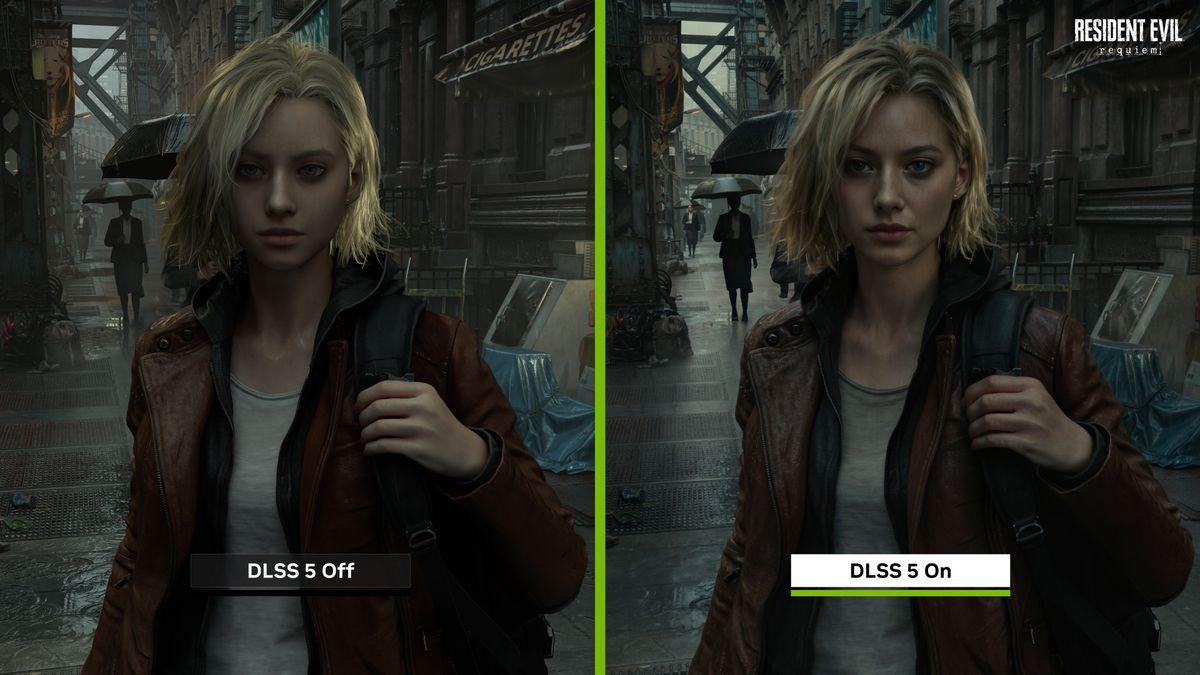
S-Game Studio CEO Soulframe Liang declares that Phantom Blade Zero contains zero AI-generated content, with every element from character models to in-game maps created by real artists. The statement comes as the upcoming action-RPG distances itself from Nvidia's controversial DLSS 5 technology, which faced backlash for applying what critics called 'AI slop filters' to game visuals.
AI-powered tools like OpusClip are automating video clipping for influencers, threatening thousands of freelancers in the Philippines, India, and Latin America who turned long videos into short viral social media clips. While stars like Logan Paul embrace automation to boost engagement, the invisible workers who manufactured organic growth face job displacement in outsourcing economies that were promised digital work as a safer future.
The publishing world is in turmoil as AI detection tools flag thousands of books and articles, leading to cancelled deals and destroyed reputations. Major publishers like Hachette pulled books over AI suspicions, while authors discover their own work falsely flagged by unreliable detectors. The controversy reveals a deeper crisis about the future of authorship and creative writing in an AI-saturated landscape.
Don’t drown in AI news. We cut through the noise - filtering, ranking and summarizing the most important AI news, breakthroughs and research daily. Follow topics that matter to you and stay ahead.