Share
Linkedin
Twitter
Facebook
Whatsapp
Copy Link
Adobe launched Firefly Custom Models in public beta, allowing creators to train AI on their own images to generate content that consistently reflects their specific style, characters, or photographic look. The feature addresses one of generative AI's biggest challenges: unpredictability and inconsistency in outputs.
North Carolina musician Michael Smith has pleaded guilty to defrauding music streaming platforms out of over $8 million using AI-generated songs and automated bots. Between 2017 and 2024, Smith uploaded hundreds of thousands of AI-generated tracks to Spotify, Apple Music, Amazon Music, and YouTube Music, then used over 1,000 bot accounts to stream them billions of times, diverting royalty payments from legitimate artists.
Microsoft unveiled MAI-Image-2, its second-generation AI image generation model, which debuted at #3 on Arena.ai's text-to-image leaderboard. The model excels at photorealism, accurate text rendering, and complex scene generation. It's now rolling out across Microsoft Copilot, Bing Image Creator, and MAI Playground, marking Microsoft's shift from relying on OpenAI's models to building competitive in-house technology.
A George Mason University study found that 55% of surveyed U.S. teens have used AI to create fake nude images, with more than a third reporting non-consensual image creation. The research reveals AI nudification has become normalized among adolescents, raising urgent questions about consent and privacy in the age of AI-powered tools.
Val Kilmer died in April 2025 at age 65, but will star in As Deep as the Grave through AI technology. The actor was cast five years ago but throat cancer complications prevented filming. His daughter Mercedes Kilmer approved the digital resurrection, calling it aligned with her father's optimism about emerging technologies in storytelling.
Sony's AI division has developed Protective AI, a new tool trained on Studio Ghibli movies to prevent unauthorized AI-generated content. The system aims to block copyright-infringing images and videos while creating pathways to compensate original creators, though the technology remains in research and development stages.
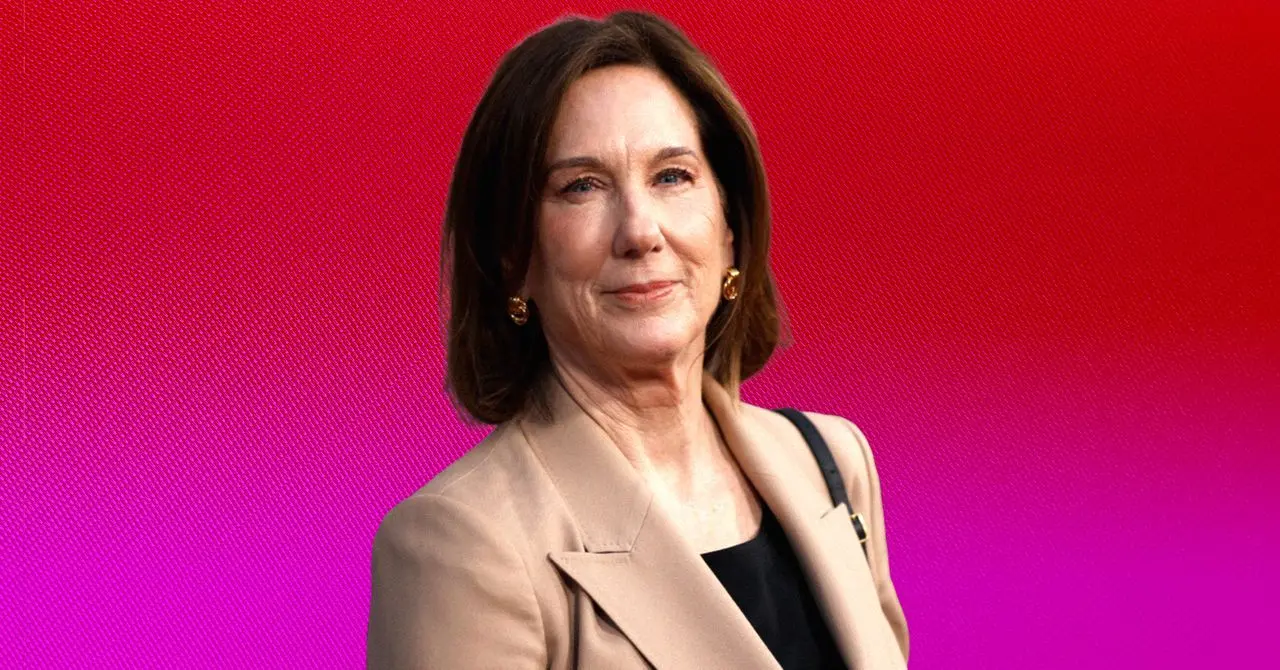
Britain is considering mandatory labelling for AI-generated content as part of broader copyright reforms aimed at protecting consumers from deepfakes while balancing creative industries' rights with AI innovation. Technology minister Liz Kendall announced the government has abandoned its previous approach after extensive stakeholder consultation.
The UK's Advertising Standards Authority banned a YouTube ad for PixVideo - AI Video Maker after eight complaints alleged it sexualised women. The ad showed before-and-after images suggesting the AI video app could digitally remove clothing, with text reading "Erase anything." The regulator ruled the banned ad promoted harmful gender stereotypes and condoned altering women's bodies without consent, despite PixVideo's claims it prohibits such content.
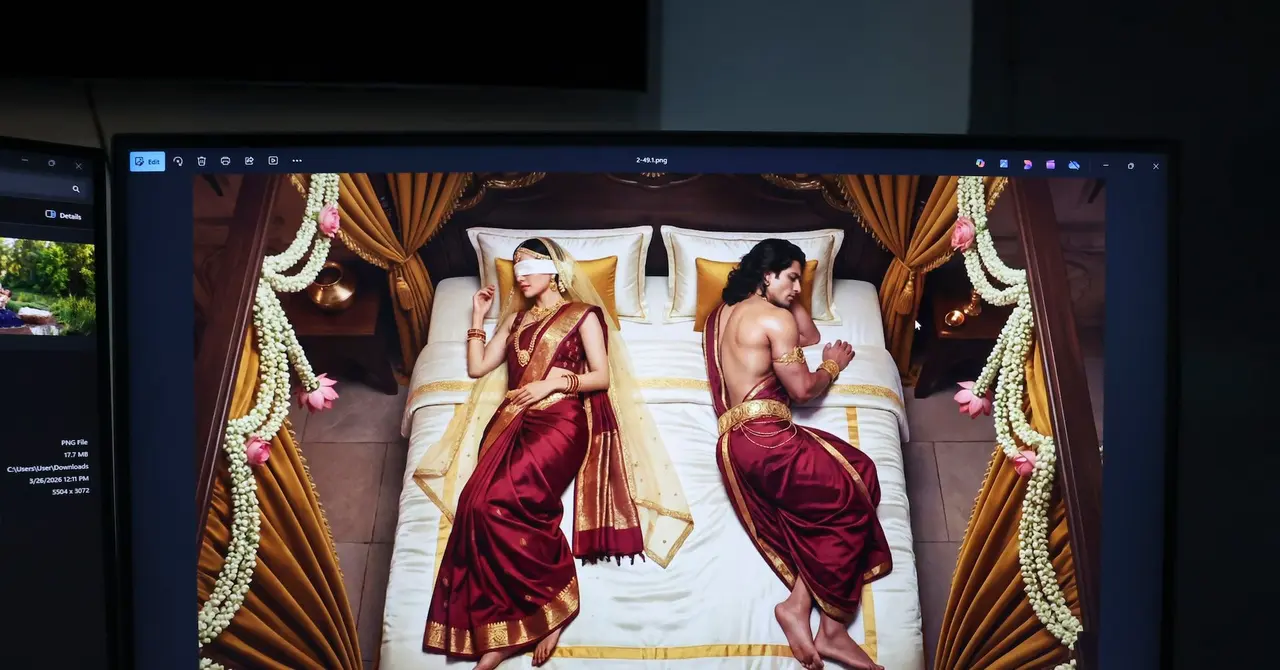
Zendaya addressed the widespread deception caused by AI-generated wedding photos showing her and Tom Holland. Speaking on Jimmy Kimmel Live, the actress revealed that fans and even people in her personal life were fooled by fake images, with some upset about not receiving wedding invites. The incident highlights growing concerns about the realism of AI-generated content on social media.
NVIDIA announced DLSS 5, an AI-powered neural rendering technology launching fall 2026 that promises photorealistic graphics for games. The tech uses generative AI to enhance lighting and textures in real-time, transforming titles like Starfield, Hogwarts Legacy, and Resident Evil Requiem. But the announcement sparked backlash over concerns about AI altering game developers' artistic vision.
Instagram has rolled out AI Voice Effects, a new feature that lets users apply eight different audio filters to voice notes in direct messages. Available globally on both iOS and Android, the feature includes effects like Chipmunk, Demon, Alien, and Robot, allowing users to modify their voice recordings while maintaining the original emotion and rhythm.
Nvidia unveiled DLSS 5, its latest AI upscaling technology using generative AI to enhance game graphics with photorealistic lighting and textures. But the demonstration sparked immediate backlash from gamers and developers who criticized the uncanny valley effect, comparing it to AI slop and Instagram filters that undermine artistic vision.
Major studios like Netflix and Amazon are actively integrating AI into filmmaking workflows, from post-production to viewer experiences. While Steven Spielberg and other creatives resist AI replacing human artists, the entertainment industry is shifting from resistance to selective adoption, raising questions about copyright concerns, job displacement, and the future of storytelling.
Three Tennessee teenagers filed a proposed class-action lawsuit against Elon Musk's xAI, alleging the company deliberately designed Grok AI to generate sexually explicit images of real people, including minors. The lawsuit claims xAI prioritized profit over safety by refusing to implement industry-standard guardrails, resulting in thousands of victimized children whose school photos were transformed into child sexual abuse material.
Israeli Prime Minister Benjamin Netanyahu is battling widespread social media conspiracy theories claiming he's been replaced by an AI-generated clone. Despite posting proof of life videos, skeptics continue analyzing footage for visual inconsistencies, highlighting how artificial intelligence has created a crisis of trust where even authentic content faces scrutiny. The incident reveals the growing challenge of proving reality in an age of sophisticated deepfakes.
Don’t drown in AI news. We cut through the noise - filtering, ranking and summarizing the most important AI news, breakthroughs and research daily. Follow topics that matter to you and stay ahead.