Share
Linkedin
Twitter
Facebook
Whatsapp
Copy Link
Amazon Prime Video has removed its AI-powered video recap feature after viewers spotted multiple errors in the Fallout season one summary. The AI-generated recap incorrectly dated flashback scenes by over 100 years and mischaracterized crucial plot points, raising fresh concerns about AI quality control in streaming services.
Disney has sent a cease and desist letter to Google, claiming the tech giant infringes its copyrights on a massive scale by training AI models on Disney content and distributing unauthorized images. The legal action comes just as Disney announces a $1 billion licensing deal with OpenAI, highlighting the entertainment giant's selective approach to AI partnerships.
Disney and OpenAI announced a three-year partnership allowing Sora users to create videos with Mickey Mouse, Darth Vader, and 200+ Disney characters. The $1 billion deal marks a dramatic reversal from Disney's previous resistance to AI platforms and signals a potential turning point in Hollywood's approach to generative AI and intellectual property rights.
The Goodyear Police Department in Arizona has become one of the first U.S. law enforcement agencies to use AI-generated, photorealistic images instead of traditional hand-drawn sketches for suspect identification. Despite an increase in public tips, the new approach has yet to lead to any arrests and experts warn about potential AI bias and legal challenges ahead.
South Korea will require advertisers to label AI-generated ads starting in 2026 as deceptive promotions surge across social media platforms. The government identified over 97,600 illegal online ads in 2024, up from 59,000 in 2023. Officials plan punitive fines up to five times the losses incurred, with platforms responsible for ensuring compliance as the country balances AI innovation with consumer protection.
McDonald's Netherlands removed its AI-generated holiday commercial following intense criticism over poor quality visuals, distorted faces, and concerns about job displacement in creative industries. The 45-second ad, created by The Sweetshop, featured bizarre physics and unnatural movements that viewers found unsettling. Despite claims the production took seven weeks with ten specialists, the negative public reception forced McDonald's to delist the advertisement from YouTube.
Google updated its AI try-on feature to work with selfies instead of full-body photos, using its Gemini 2.5 Flash Image model called Nano Banana. The company also enhanced its Doppl app with a shoppable discovery feed featuring AI-generated videos. These moves signal Google's push to compete in e-commerce as it loses ground to Amazon and social platforms.
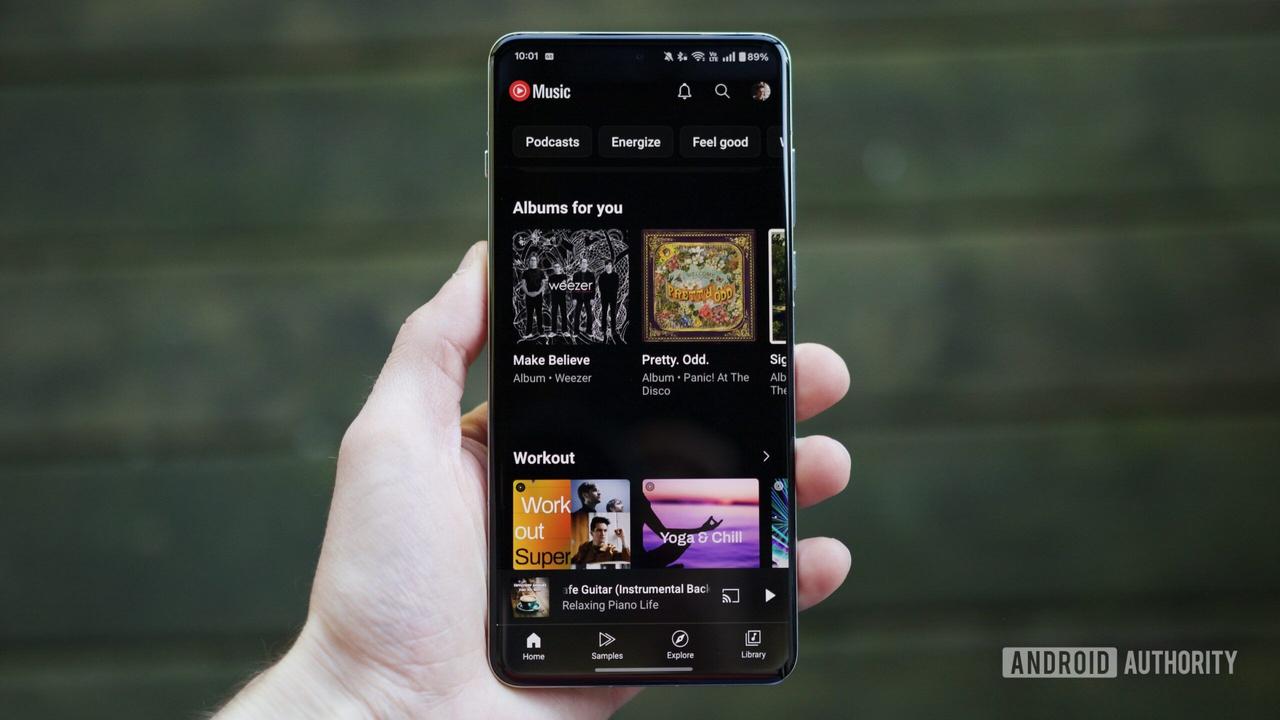
Australian prog-rock band King Gizzard & the Lizard Wizard removed their entire catalog from Spotify in July to protest CEO Daniel Ek's investments in AI weapons technology. Months later, fans discovered an AI-generated impersonator called 'King Lizard Wizard' hosting knockoff tracks with identical titles and lyrics. The fake account accumulated tens of thousands of streams before removal, exposing serious gaps in Spotify's content moderation despite new policies against artist impersonation.
Apple is rolling out Fitness+ to 28 additional countries on December 15, marking its largest expansion since the 2020 launch. The service now uses AI-powered voice dubbing to translate hundreds of workouts and meditations into Spanish, German, and Japanese, modeling generated voices on real trainers. The update also adds a K-Pop music genre across all workout types.
AI tools like Suno are becoming ubiquitous in Nashville's country music scene, with songwriters from entry-level to top artists using them to generate song demos and streamline production. But artist Breland is pushing back, demanding that AI-generated songs be labeled and that revenue fund grants for human creatives rather than replace working musicians.
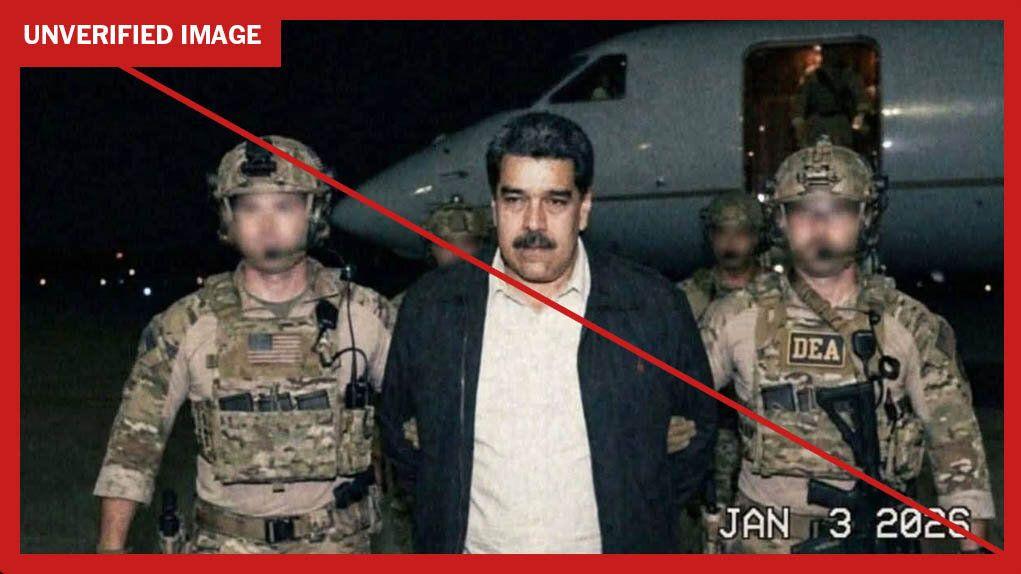
The FBI issued a public alert about virtual kidnapping scams where criminals use AI to doctor social media images into fake proof of life photos. Fraudsters text victims claiming to have kidnapped loved ones and send AI-generated images to extort ransom payments. With deepfake attacks occurring every five minutes globally and U.S. fraud losses projected to hit $40 billion by 2027, the agency urges families to establish code words and verify claims before paying.
Netflix's historic $82.7 billion acquisition of Warner Bros. Discovery isn't just about content—it's a strategic AI play. S&P analyst Melissa Otto reveals the deal targets Google's TPU chip advantage and control over the video corpus needed to train next-generation AI models, as Netflix builds a moat against YouTube's growing dominance in streaming.
A newly announced Postal game was canceled within 48 hours of its reveal after fans accused developer Goonswarm Games of using AI-generated artwork. Running With Scissors ended the partnership, citing broken trust and extreme damage to brand reputation, while Goonswarm Games denied the allegations and announced its closure.
Digital artist Beeple unveiled 'Regular Animals' at Art Basel Miami Beach, featuring autonomous robot dogs with hyperrealistic heads of tech billionaires like Elon Musk and Mark Zuckerberg. The robots capture photos of viewers and defecate AI-generated art prints, satirizing how tech power and algorithms shape visual culture. All robots sold for $100,000 each.
A Melbourne researcher receives $500,000 to train robots in stand-up comedy, focusing on non-verbal humor and timing. Meanwhile, comedians like Jon Lajoie and King Willonius embrace AI tools for video production but insist artificial intelligence can't write genuine punchlines. The experiments reveal AI's limitations in capturing human creativity while raising questions about humor's future.
Don’t drown in AI news. We cut through the noise - filtering, ranking and summarizing the most important AI news, breakthroughs and research daily. Follow topics that matter to you and stay ahead.