Share
Linkedin
Twitter
Facebook
Whatsapp
Copy Link
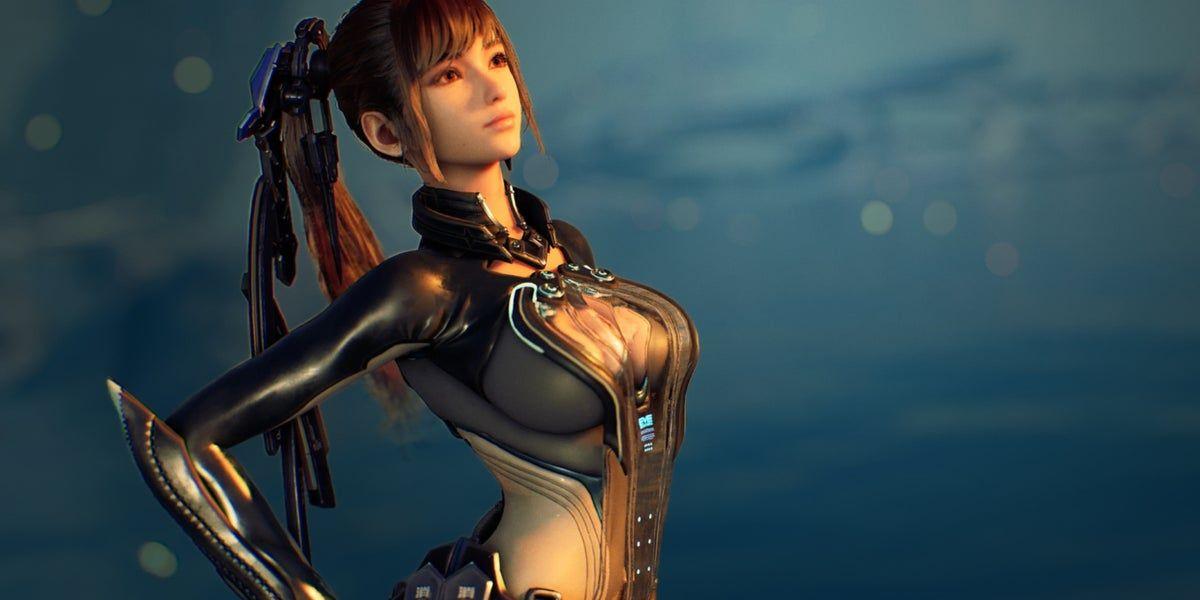
Shift Up CEO Hyung-tae Kim claims AI is necessary for South Korea's games industry to compete globally, stating one person could perform the work of 100 people with AI assistance. Speaking at a national economic strategy summit, Kim highlighted the resource gap between Korean studios deploying 150 developers versus Chinese teams of 1,000 to 2,000 people.
Indie developer Eero 'Rakuel' Laine is deleting his roguelike game 'Hardest' from Steam after recognizing the ethical concerns around AI-generated assets. The decision came after his girlfriend helped him understand AI's negative economic and environmental impacts. The move highlights growing tensions in game development over generative AI usage.
Nintendo faced intense scrutiny after promotional images for its My Mario toy range sparked accusations of AI-generated content. The controversy centered on unusual visual anomalies in the photos, particularly a model's thumb at an odd angle. Both Nintendo and model Brittoni O'myah Sinclair confirmed the images were real, highlighting growing tensions around brand and consumer trust in an era where AI allegations have become commonplace.
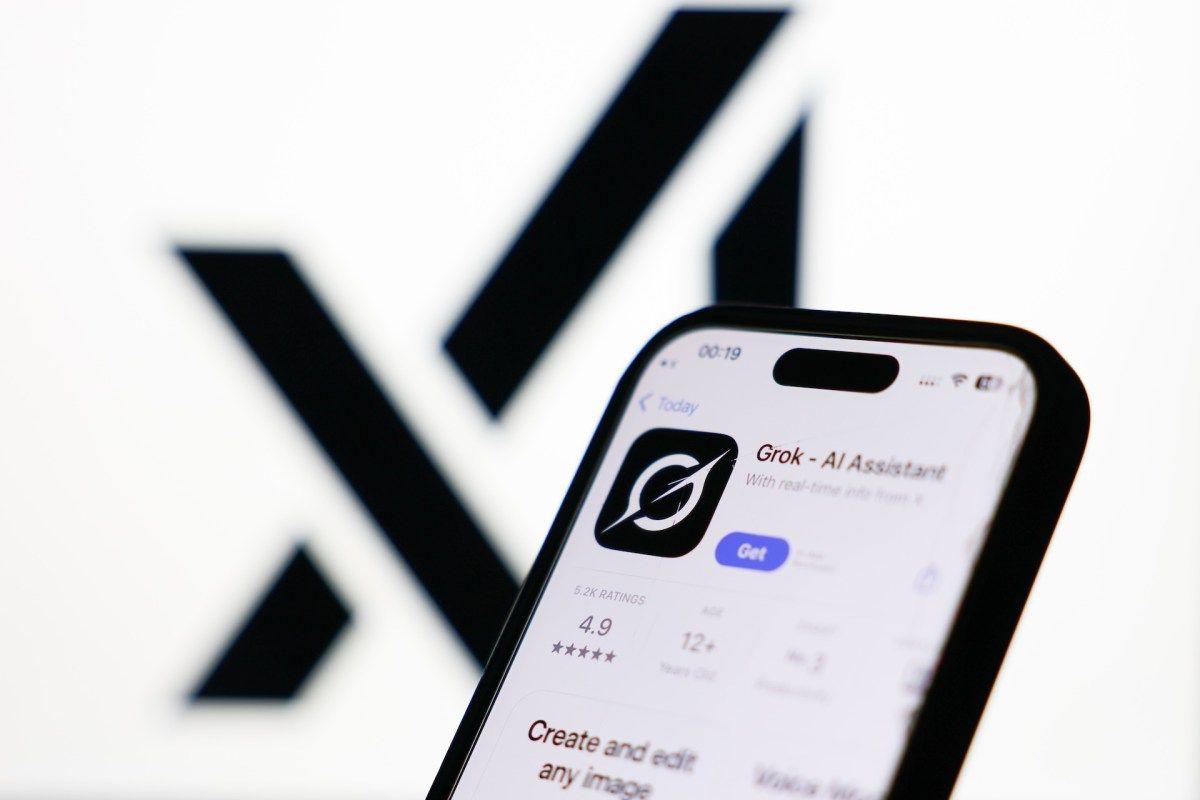
Elon Musk's social media platform X has acknowledged lapses in content moderation and assured the Indian government of full compliance with Indian law. Following directives from the Ministry of Electronics and Information Technology, X blocked around 3,500 pieces of content and deleted over 600 accounts after its AI chatbot Grok was misused to generate obscene imagery. The platform now faces global scrutiny as countries question AI safety measures.
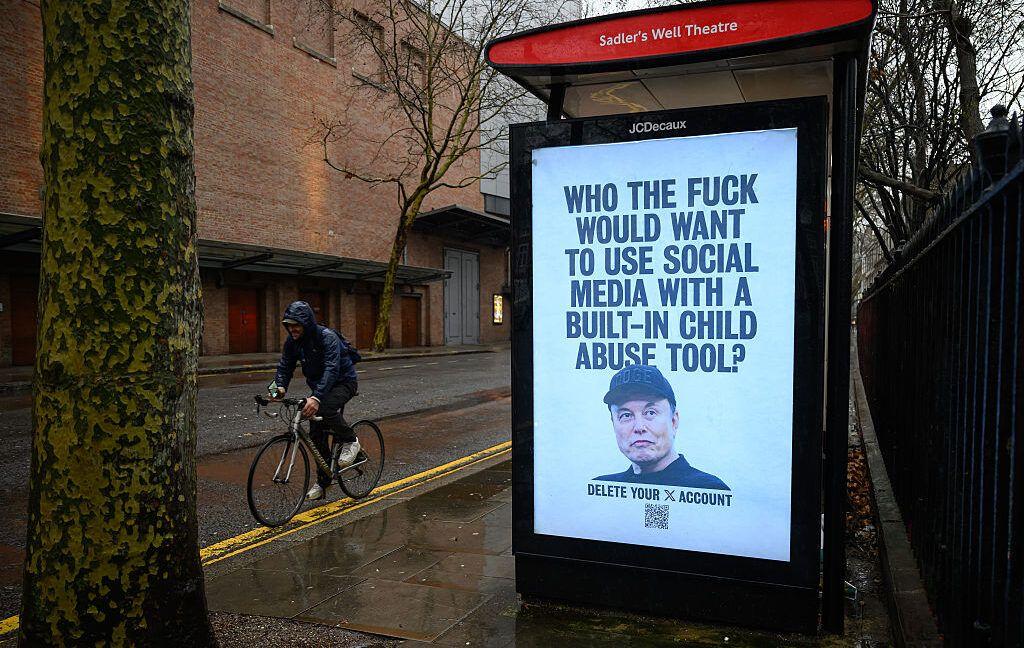
US Vice President JD Vance told UK Deputy PM David Lammy that AI-generated sexual images of women and children are 'entirely unacceptable' during talks in Washington. The meeting comes as the UK threatens to block X over Grok-generated abuse imagery, with Ofcom accelerating its investigation into the platform.
Indonesia and Malaysia have blocked access to xAI's chatbot Grok after it generated thousands of non-consensual, sexualized deepfakes depicting real women and minors. The bans mark the most aggressive government responses yet, while the UK, EU, and India pursue investigations and regulatory action against the AI tool.
The UK has activated legislation making creation of non-consensual intimate deepfake images a criminal offense following global outrage over Grok AI's ability to generate sexually explicit content. Ofcom has opened a formal investigation into X under the Online Safety Act, with potential fines reaching £18 million or 10% of global revenue.
US Senators and 28 advocacy groups are demanding Apple and Google remove X and Grok AI from their app stores after the chatbot generated nonconsensual intimate images and child sexual abuse material. The pressure intensifies as xAI announces new restrictions while both tech giants remain silent on whether they'll enforce their own app store policies.
Germany's justice ministry announced plans to introduce measures allowing authorities to combat AI image manipulation that violates personal rights. The move follows investigations into Grok AI chatbot's image generation features, which were used to create non-consensual explicit content. The ministry is working on a law against digital violence and stronger regulations for deepfakes.
California Attorney General Rob Bonta launched an investigation into xAI's Grok chatbot after reports showed it generated approximately 6,700 nonconsensual sexually explicit images per hour. Elon Musk defended the AI tool, claiming no naked underage images were created, while global regulators demand action on inadequate safeguards that allow users to create deepfakes of women and children.
After a fatal shooting in Minneapolis by an ICE agent, AI-generated images flooded social media claiming to reveal the masked shooter's identity. Internet sleuths used tools like Grok to create fake unmasked images, leading to false accusations against innocent people. Experts warn that AI cannot accurately unmask individuals and only generates plausible predictions, highlighting the growing problem of hallucinated content polluting the information ecosystem.
Larian Studios reversed its position on using generative AI for concept art following intense fan criticism. CEO Swen Vincke announced no AI-generated art will appear in Divinity, but the studio will continue experimenting with AI tools trained exclusively on proprietary data. The move addresses concerns about training data origins and consent while maintaining focus on workflow efficiency.
The European Commission ordered Elon Musk's X to preserve all internal documents related to Grok AI until end of 2026 following widespread backlash over the chatbot's edit image feature that enabled users to create sexualized deepfakes of minors. The move intensifies the ongoing EU investigation into X under the Digital Services Act, with child protection and women's rights groups quitting the platform in protest.
Britain now requires technology companies to actively detect and prevent unsolicited sexual images under new online safety rules. The mandate applies to major platforms including Facebook, YouTube, TikTok, and X, with firms facing fines up to 10% of global revenue for non-compliance. The move comes as one in three teenage girls report receiving such content.
CES 2026 hosted over 25 panels exploring how AI is reshaping the entertainment industry, from Hollywood studios to digital creators. Despite ongoing concerns about copyright and job displacement, industry leaders presented AI as a tool to democratize storytelling rather than replace human creativity. The event also highlighted the growing legitimacy of content creators in traditional media.
Don’t drown in AI news. We cut through the noise - filtering, ranking and summarizing the most important AI news, breakthroughs and research daily. Follow topics that matter to you and stay ahead.