Share
Linkedin
Twitter
Facebook
Whatsapp
Copy Link
A new study reveals that AI-generated content now accounts for over 50% of new articles on the internet. However, the growth of AI content appears to have stabilized, possibly due to search engines favoring human-written material.
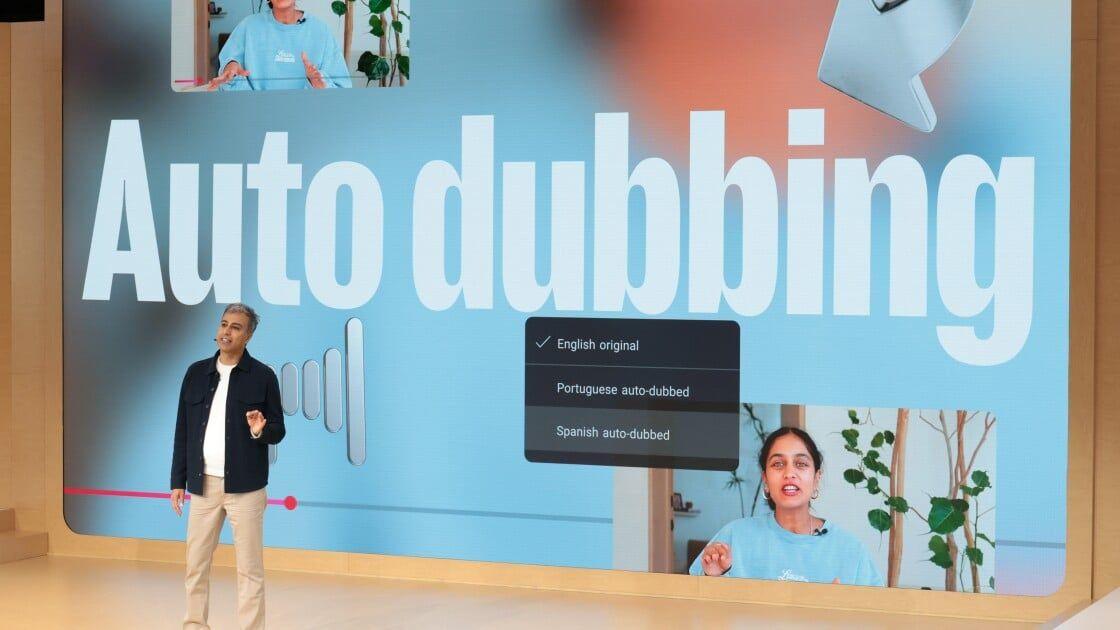
YouTube is testing an AI-powered lip-syncing feature to enhance its auto-dubbing capabilities, aiming to make translated videos appear more natural and engaging. This technology could potentially break language barriers in video content consumption.
Taiwan's National Security Bureau reports a 17% increase in Chinese cyberattacks on government departments in 2025, averaging 2.8 million daily attacks. The bureau warns of an 'online troll army' spreading disinformation and sowing discord among Taiwanese citizens.
OpenAI's Sora 2 video generation app raises alarm over its ability to create realistic deepfakes, particularly of deceased public figures, leading to debates on ethics, legal implications, and the impact on creativity.
Google has launched a new AI-powered makeup feature for Google Meet, offering users 12 different looks to enhance their appearance during video calls. This tool builds on the existing Touch-up functionality and aims to provide a seamless, natural-looking enhancement.
Google enhances NotebookLM with Nano Banana AI, introducing anime-style videos and new formats for more engaging and effective learning experiences.
The rise of AI-generated podcasts is disrupting the fragile podcast industry, offering mass production capabilities but raising concerns about content quality and the future of human-created shows.
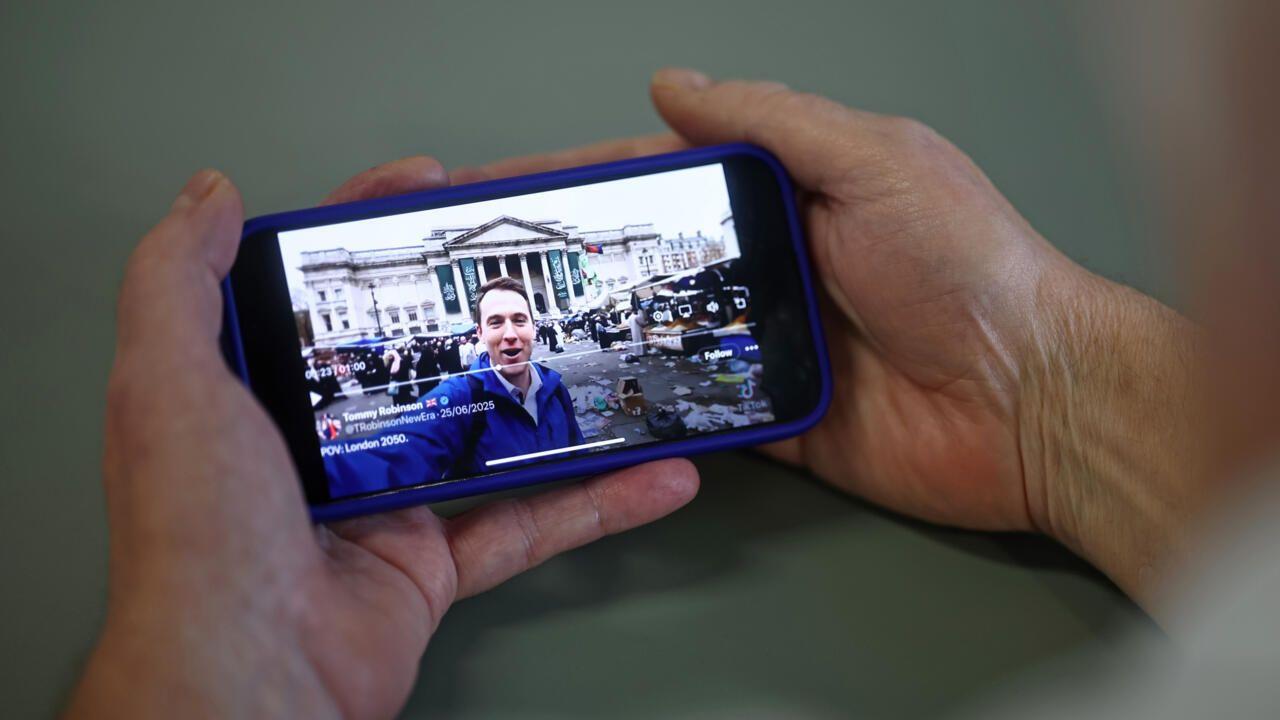
Far-right leaders are using AI-generated videos to promote xenophobic views of European cities' futures. These manipulated images, falsely presented as AI predictions, are spreading rapidly on social media platforms.
A viral TikTok trend using AI to create fake images of homeless intruders has led to police warnings and raised concerns about the misuse of AI technology, wasted resources, and the dehumanization of homeless individuals.
OpenAI's launch of Sora 2, a powerful AI video generator, sparks debate over the environmental impact of AI technologies. The new tool's impressive capabilities come with significant computational demands, highlighting the growing energy and resource consumption of AI systems.
The Election Commission of India has issued strict guidelines against the misuse of AI-generated content in the upcoming Bihar Assembly elections. Political parties are required to label synthetic content and avoid spreading misinformation through deepfakes.
Meta has introduced AI-powered translation support for Hindi and Portuguese in Facebook and Instagram Reels, aiming to connect creators and audiences across linguistic boundaries. This feature uses advanced AI to translate, dub, and lip-sync videos, potentially reshaping global content consumption.
DC Comics president Jim Lee declares the company will not support AI-generated content, emphasizing the importance of human creativity in comic book creation. This stance contrasts with other entertainment companies' approaches to AI technology.
OpenAI's AI video generation app Sora 2 reaches 1 million downloads in record time, surpassing ChatGPT's initial success. The app introduces new features including longer video generation and storyboarding capabilities.
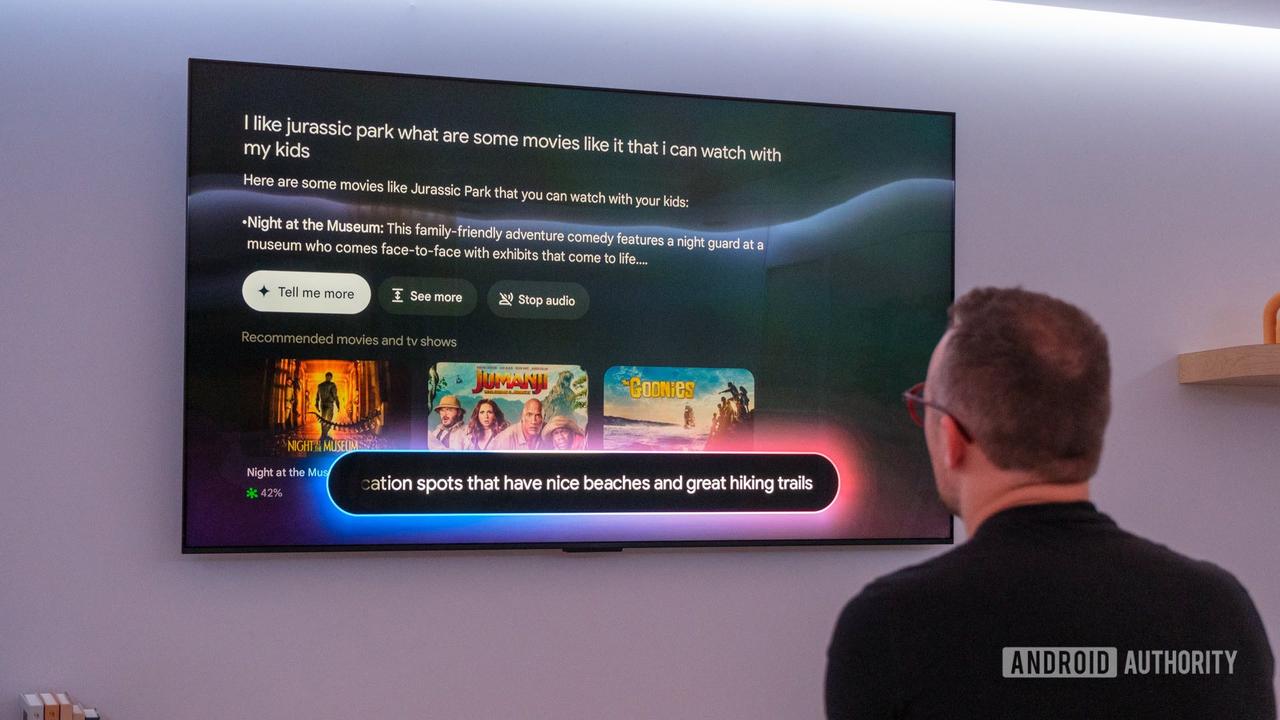
Google is preparing to introduce AI-driven features to Google TV, including Sparkify for video generation and an inactivity prompt for power efficiency. These additions aim to transform the passive viewing experience into an interactive and educational platform.
Donāt drown in AI news. We cut through the noise - filtering, ranking and summarizing the most important AI news, breakthroughs and research daily. Follow topics that matter to you and stay ahead.