Share
Linkedin
Twitter
Facebook
Whatsapp
Copy Link
Netflix announces full-scale integration of AI across its platform, from content recommendations to production. The move sparks both excitement and concern in the entertainment industry.
A Brown University study reveals that AI chatbots, even when prompted to use evidence-based techniques, violate ethical standards in mental health practice. The research identifies 15 ethical risks and calls for new regulatory frameworks.
Microsoft has implemented a new feature in its Edge browser that prompts users to try Copilot when visiting rival AI websites. This move has sparked discussions about user choice and aggressive marketing tactics in the tech industry.
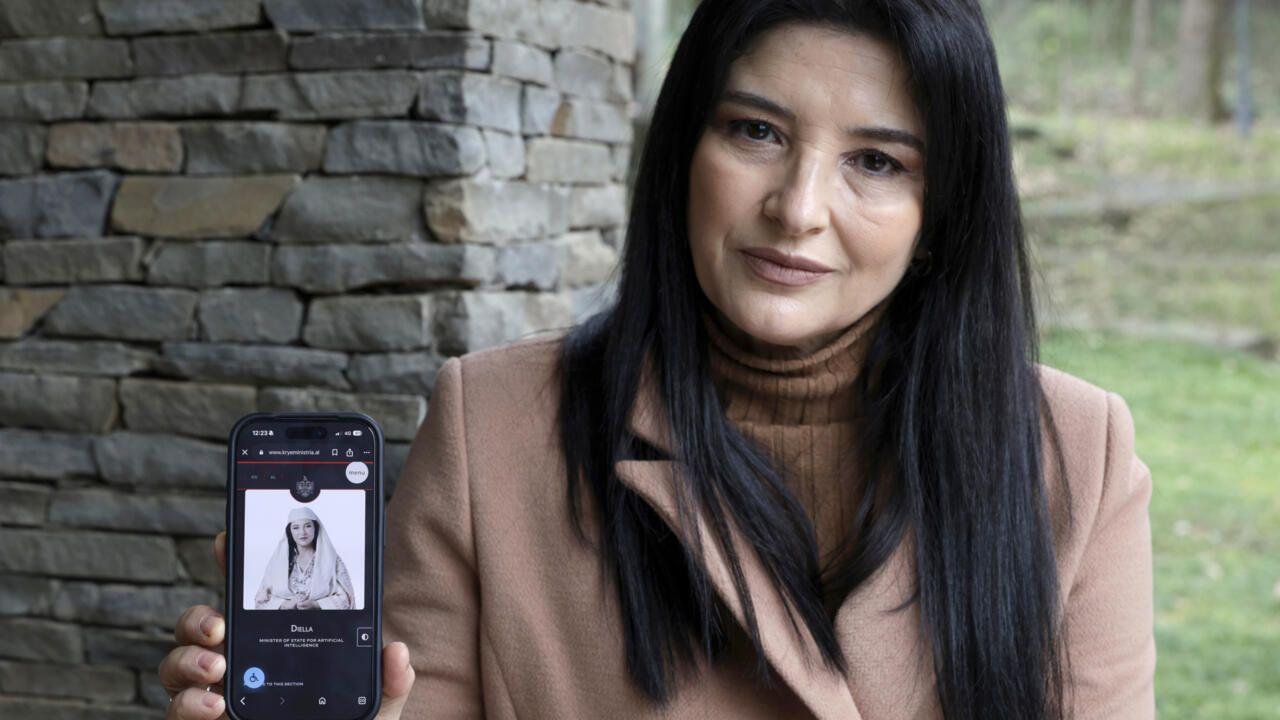
Channel 4's Dispatches documentary 'Will AI Take My Job?' featured an AI-generated presenter, raising questions about the future of media and employment in the face of advancing artificial intelligence.
WellSaid Labs, an AI voice startup, has launched a new version of its text-to-speech platform with improved features and a focus on enterprise customers. The company's approach emphasizes ethical AI development and caters to regulated industries.
Aid agencies and charities are increasingly using AI-generated images of extreme poverty for fundraising, sparking ethical concerns and debates about representation and consent in the digital age.
AI is revolutionizing online pricing strategies, raising concerns about fairness and transparency. While companies see increased revenue, consumers and regulators grapple with the implications of this technology-driven approach.
A groundbreaking project is collecting the largest dataset of African languages for AI, aiming to address the underrepresentation of these languages in current AI systems and promote inclusive technological development.
President Trump's increasing use of AI-generated content in his social media strategy is raising concerns about the blurring of satire and misinformation. This trend is reshaping political communication and challenging the public's ability to discern fact from fiction.
Australian Education Minister Jason Clare raises alarm about AI chatbots potentially bullying children, sparking debate on the intersection of AI and online safety for youth.
The National Republican Senatorial Committee (NRSC) has released an AI-generated deepfake video of Senate Minority Leader Chuck Schumer, sparking debate about the use of artificial intelligence in political advertising and its potential impact on future campaigns.
A new phenomenon called 'workslop' is emerging as AI tools become more prevalent in the workplace, leading to unnecessary extra work and eroding trust among colleagues. Experts suggest ways for both employees and employers to mitigate these issues.
Meta announces new parental control features for teens' interactions with AI chatbots on Instagram, set to roll out in early 2026. The move aims to address safety concerns and provide parents with more oversight over their children's AI engagements.
OpenAI's AI video generator Sora sparks controversy over unauthorized use of celebrity likenesses and historical figures, leading to new restrictions and agreements with actors' unions.
Major tech companies are funding AI training programs for teachers, aiming to bring AI tools into classrooms. While some see this as essential preparation for the future, others raise concerns about corporate influence and the impact on education.
Don’t drown in AI news. We cut through the noise - filtering, ranking and summarizing the most important AI news, breakthroughs and research daily. Follow topics that matter to you and stay ahead.