Share
Linkedin
Twitter
Facebook
Whatsapp
Copy Link
German start-up Polarise announced plans to build a 30-megawatt AI data centre in Bavaria by mid-2027, potentially doubling Germany's domestically-run computing capacity. The facility addresses European efforts to gain sovereign control over critical tech infrastructure amid global tensions. With costs in the triple-digit million euro range and renewable energy integration, the project highlights the strategic push for technological independence.
BMW has launched a pilot program at its Leipzig plant in Germany using Hexagon Robotics' AEON humanoid robot for high-voltage battery assembly. The deployment follows an 11-month trial at the Spartanburg facility where Figure AI robots helped produce over 30,000 BMW X3s. The move signals BMW's commitment to physical AI as incoming CEO Milan Nedeljković prepares to take the helm.
German robotics startup Neura Robotics is raising €1 billion ($1.2 billion) in a funding round backed by stablecoin issuer Tether Holdings to develop artificial intelligence-powered humanoid robots. The round values the Metzingen-based company at €4 billion, down from earlier estimates of €8-10 billion, as investors bet on humanoids as the next wave of AI innovation.
The artificial intelligence revolution is transforming cinema, with 90% of film professionals already using AI tools according to a 2025 survey. While the Berlin Film Festival maintained a cautious stance, filmmakers and industry leaders voiced concerns about job displacement in film industry roles, from voice actors to technicians. The OpenAI and Disney agreement highlights AI's transformative potential, raising urgent questions about intellectual property and authorship.
A survey of 6,000 executives across the US, UK, Germany, and Australia reveals that over 80% of companies see no impact on productivity or employment from AI, despite widespread adoption. The findings echo Robert Solow's productivity paradox from the 1980s, when computers initially slowed workplace efficiency before eventually delivering gains decades later.
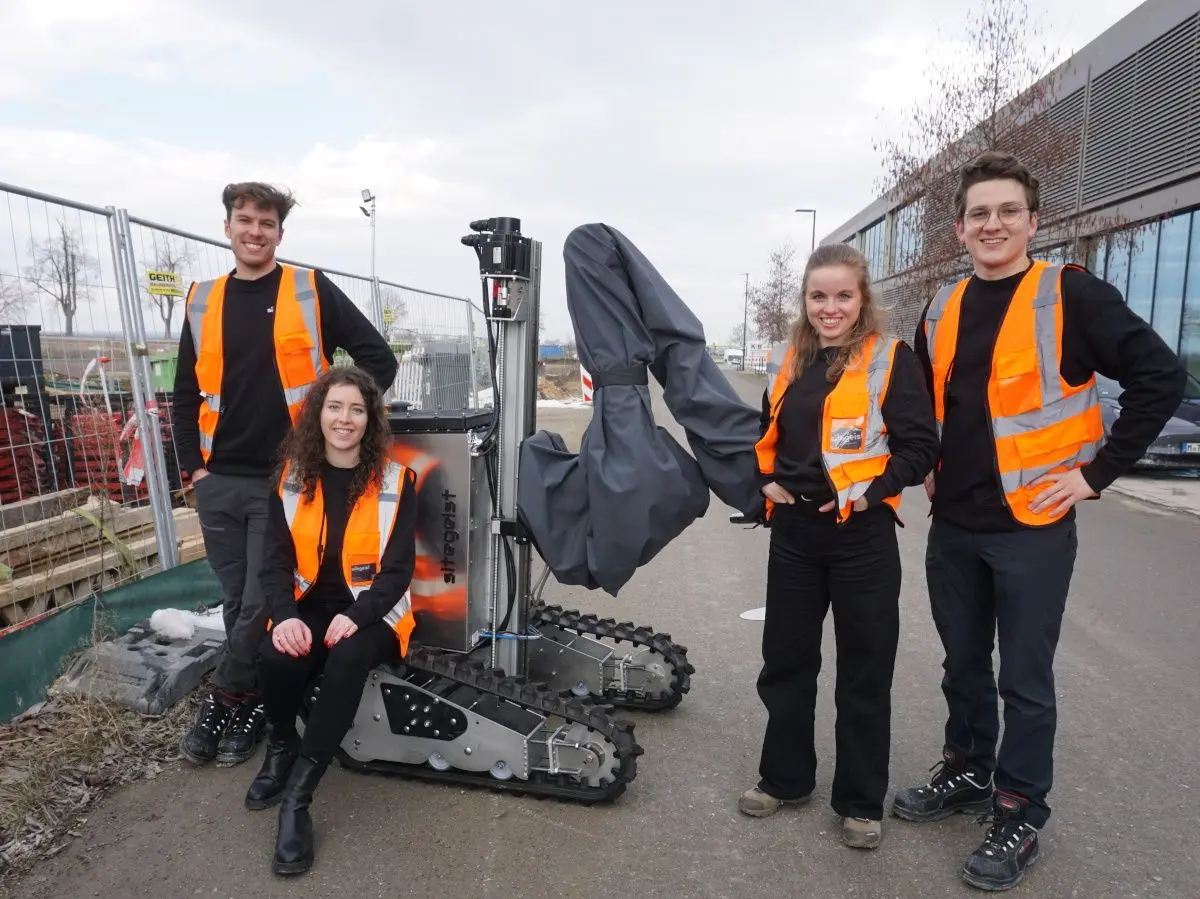
Munich-based Sitegeist has secured €4m in pre-seed funding to deploy AI-enabled robots that automate concrete renovation. The German start-up's modular robots can remove deteriorated concrete up to ten times faster than manual labor, addressing Europe's infrastructure backlog and labor shortages across bridges, tunnels and public buildings.
Don’t drown in AI news. We cut through the noise - filtering, ranking and summarizing the most important AI news, breakthroughs and research daily. Follow topics that matter to you and stay ahead.