Share
Linkedin
Twitter
Facebook
Whatsapp
Copy Link
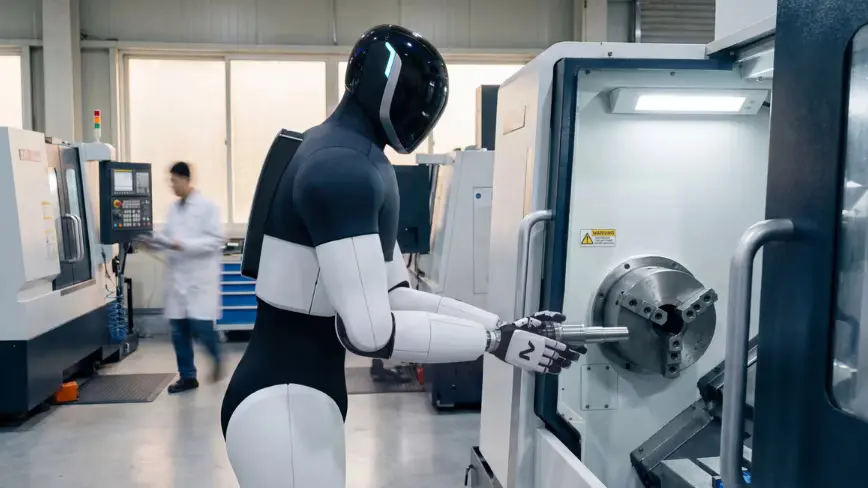
Bercan Kilic left Red Bull Racing to found microagi, which just closed Germany's largest seed round at $55 million. The Munich startup films workers performing tasks to generate robotics training data, addressing a critical gap that's left industrial robots decades behind language models. Five companies are already collecting data through its platform.
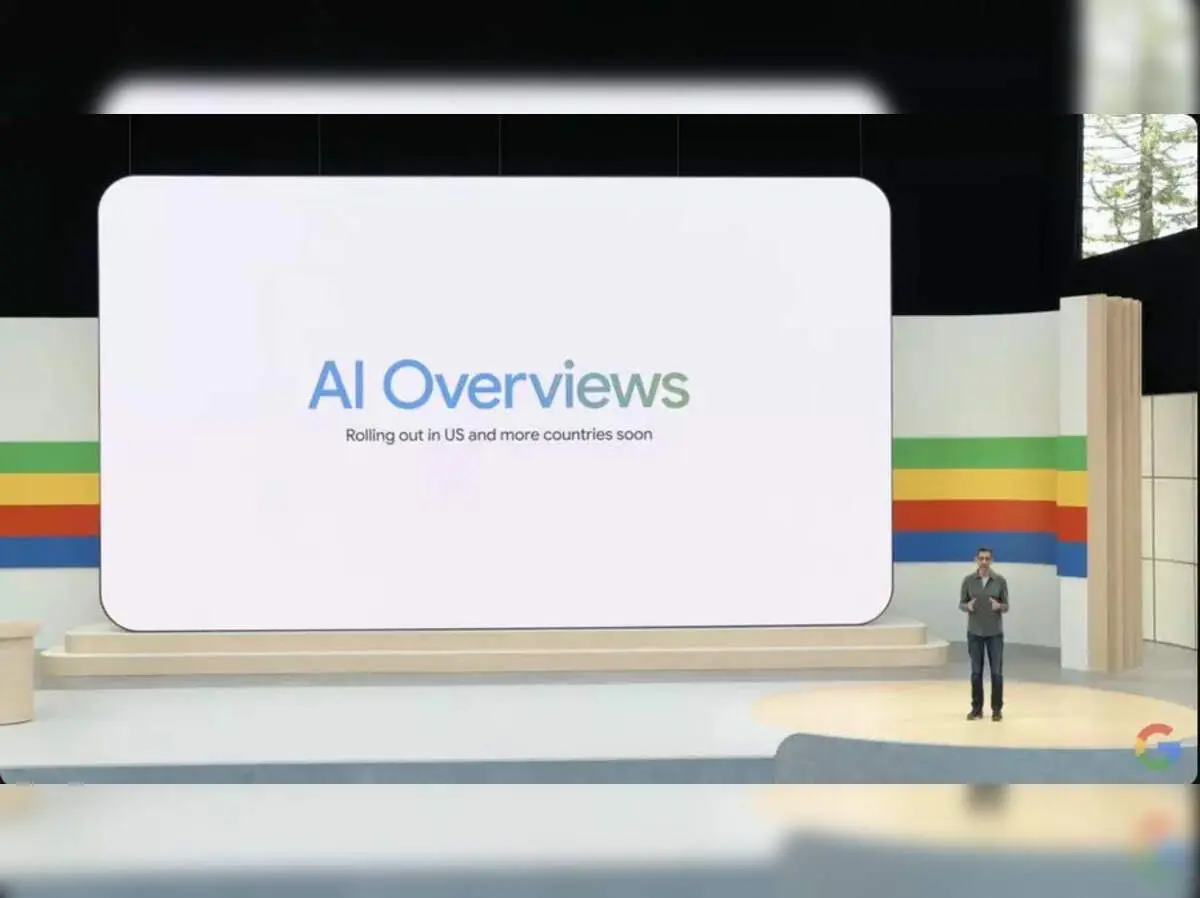
Germany's media regulator ZAK ruled that Google AI Overviews and Perplexity AI must comply with the country's media laws, classifying them as content providers rather than platforms. The decision follows a Munich court ruling holding Google liable for false AI-generated statements, marking a significant shift in how AI search engines and chatbots are regulated in Europe.
Munich-based Helsing closed a $1.8bn Series E at an $18bn valuation, making it Europe's largest defence startup. But the German defence technology company's 32x revenue multiple—far exceeding rivals like Anduril and Quantum Systems—has sparked concerns about a valuation bubble in the sector. Critics question whether European defence spending can sustain such lofty expectations.
German insurance giant Allianz is preparing to eliminate up to 1,800 positions at Allianz Partners over the next 12 to 18 months as AI automation replaces human workers in call centers. The cuts affect up to 8% of the division's workforce across Europe, with most reductions targeting the 14,000 employees who handle customer service and claims processing by phone.
Infineon has launched its €5 billion Smart Power Fab in Dresden three months ahead of schedule, doubling manufacturing capacity for intelligent power semiconductors. The facility creates 1,000 jobs and produces chips for AI data centers, electric vehicles, and renewable energy systems, marking Europe's push toward tech autonomy under the EU Chips Act.
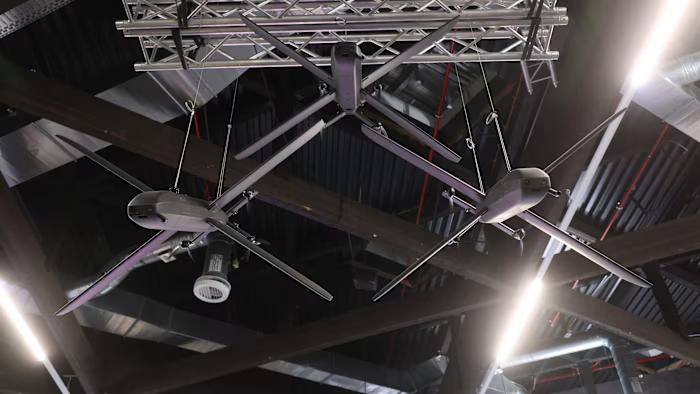
European and U.S. defense firms unveiled their latest AI-powered wingman drones at the Berlin airshow, showcasing autonomous combat systems designed to accompany fighter jets. Boeing, Airbus, General Atomics, and German startup Helsing displayed technologies aimed at reducing Europe's reliance on the U.S. while addressing modern warfare challenges highlighted by conflicts in Ukraine and the Middle East.
German robotics company NEURA Robotics has raised up to $1.4 billion in one of the largest humanoid robotics funding rounds ever, backed by Nvidia, Amazon, Tether, Qualcomm, and Bosch. The investment values the company at approximately $7 billion and will accelerate production to millions of robots by 2030 while expanding its cognitive robotics platform across industries.
A Munich court ruled that Google is liable for false statements generated by its AI Overviews feature after the tool incorrectly linked two publishers to scams and dubious business practices. The German court ruling establishes that AI-generated content creates new statements rather than simply surfacing existing information, making Google directly accountable for factual errors and AI-generated misinformation.
Canadian AI company Cohere is acquiring German AI startup Aleph Alpha in a deal valuing the combined entity at $20 billion. Backed by both governments, the merger aims to offer businesses and nations a sovereign AI alternative to Silicon Valley dominance, with Schwarz Group committing $600 million in fresh investment.
SAP delivered solid first-quarter earnings with cloud revenue hitting €5.96 billion, surpassing analyst expectations despite broader software industry turbulence. The German enterprise software maker is betting heavily on Business AI and consumption-based pricing models, even as its stock faces pressure from fears that AI agents could disrupt traditional software subscriptions.
L'Atitude 52°N announces its Berlin smart glasses will launch May 26 at $399, but there's a catch. The AI features that power its tour guide capabilities will only work for 12 months before requiring a paid subscription. CEO Gary Chen hasn't disclosed the subscription cost, leaving potential buyers uncertain about the long-term investment required to maintain full functionality.
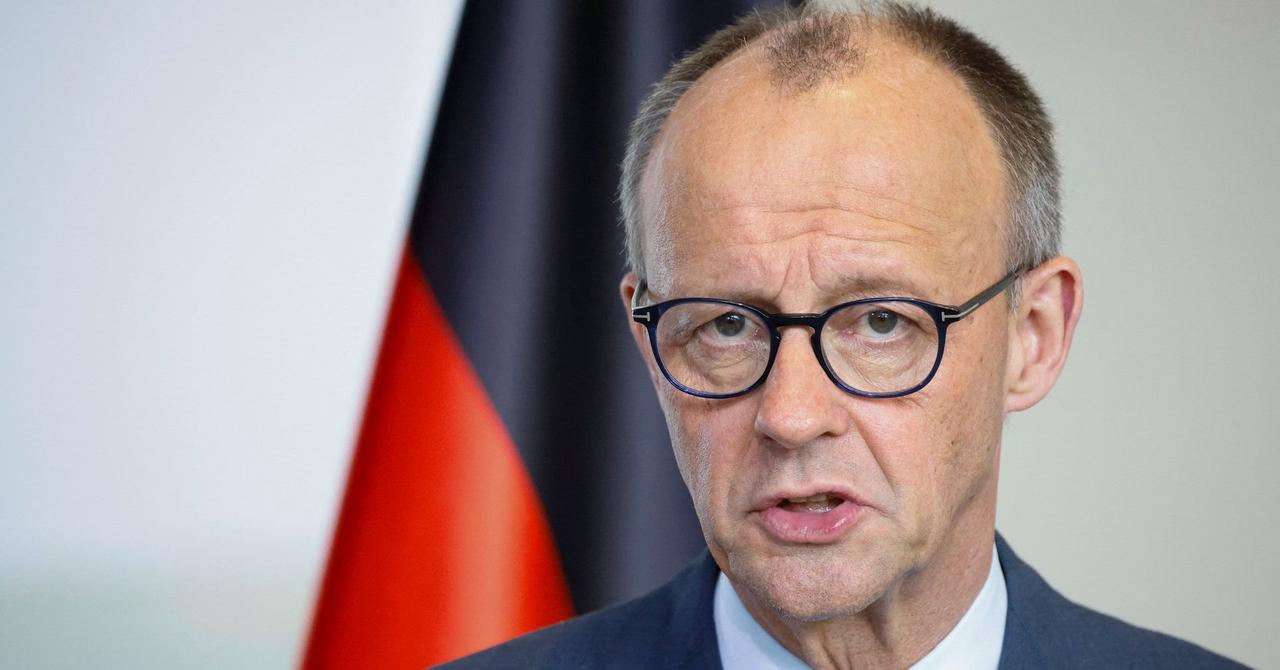
German Chancellor Friedrich Merz called for less stringent EU regulation on industrial AI at Hannover Messe, arguing current rules are too restrictive. Siemens CEO Roland Busch echoed the concerns, warning the company may prioritize investments in the US and China if regulations aren't eased before the EU AI Act takes full effect in August.
Bremen-based Synera has secured $40 million in Series B funding led by Revaia to expand its agentic AI platform that deploys autonomous AI agents across engineering workflows. The platform integrates with over 75 existing tools and is already deployed at NASA, BMW, Airbus, and Volvo Trucks, executing complex engineering tasks without human intervention at each step.
Google expanded its Live Translate feature to iOS devices and additional countries, allowing users to access real-time headphone translation powered by Gemini AI. The feature, which supports over 70 languages, was previously limited to Android users in select markets. It now works with any headphones connected to Apple devices.
Munich-based Agile Robots has entered a strategic research partnership with Google DeepMind to integrate Gemini Robotics foundation models into its robotic systems. The collaboration will leverage Agile Robots' 20,000+ deployed solutions worldwide to test AI-powered autonomous production systems across electronics manufacturing, automotive, data centers, and logistics sectors.
Don’t drown in AI news. We cut through the noise - filtering, ranking and summarizing the most important AI news, breakthroughs and research daily. Follow topics that matter to you and stay ahead.