AI Model Revolutionizes Genetic Disease Risk Prediction


5 Sources
[1]
New AI model predicts which genetic mutations truly drive disease
When genetic testing reveals a rare DNA mutation, doctors and patients are frequently left in the dark about what it actually means. Now, researchers at the Icahn School of Medicine at Mount Sinai have developed a powerful new way to determine whether a patient with a mutation is likely to actually
[2]
AI and routine lab tests offer a more accurate prediction of genetic disease risk
Mount Sinai Health SystemAug 28 2025 When genetic testing reveals a rare DNA mutation, doctors and patients are frequently left in the dark about what it actually means. Now, researchers at the Icahn School of Medicine at Mount Sinai have developed a powerful new way to determine whether a patient
[3]
AI and lab tests combine to predict disease risk from rare genetic variants
When genetic testing reveals a rare DNA mutation, doctors and patients are frequently left in the dark about what it actually means. Now, researchers at the Icahn School of Medicine at Mount Sinai have developed a powerful new way to determine whether a patient with a mutation is likely to actually
[4]
Scientists create AI tool to predict risk for hereditary diseases
The researchers say the model could be used to help doctors decipher the results of genetic tests and funnel patients into the appropriate level of care. US researchers have developed an artificial intelligence (AI) tool to better predict whether rare genetic mutations will lead to disease, with
[5]

Mount Sinai Researchers Use AI and Lab Tests to Predict Genetic Disease Risk | Newswise
Newswise -- New York, NY [August 28, 2025] -- When genetic testing reveals a rare DNA mutation, doctors and patients are frequently left in the dark about what it actually means. Now, researchers at the Icahn School of Medicine at Mount Sinai have developed a powerful new way to determine whether a
Share
Copy Link
Researchers at Mount Sinai develop an AI-powered tool that combines machine learning with electronic health records to more accurately predict the likelihood of disease development from rare genetic variants.
Breakthrough in Genetic Risk Assessment
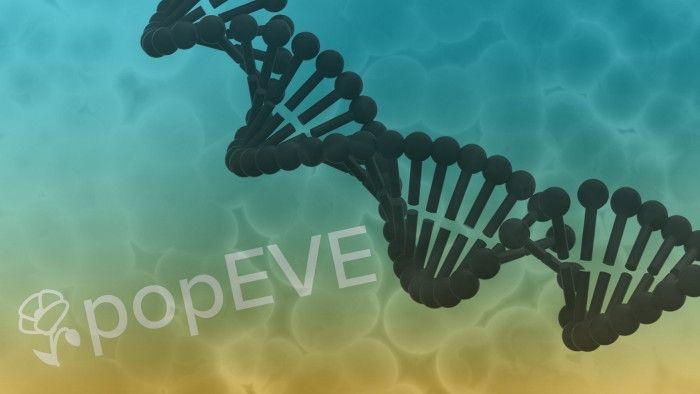
Researchers at the Icahn School of Medicine at Mount Sinai have developed a groundbreaking artificial intelligence (AI) model that could revolutionize how we interpret genetic test results. The new method, detailed in a study published in Science, combines machine learning with electronic health records to provide a more accurate and nuanced prediction of disease risk from rare genetic variants
1
2
3
.
Source: ScienceDaily
The Challenge of Genetic Interpretation
Genetic testing often reveals rare DNA mutations, leaving doctors and patients uncertain about their significance. Traditional genetic studies typically rely on binary yes/no diagnoses, which fail to capture the complexity of many diseases
1
2
. Dr. Ron Do, senior study author, explains, "We wanted to move beyond black-and-white answers that often leave patients and providers uncertain about what a genetic test result actually means"1
.AI-Powered Solution
The Mount Sinai team tackled this problem by leveraging AI and routine lab tests such as cholesterol levels, blood counts, and kidney function. They trained AI models on more than 1 million electronic health records for 10 common diseases
1
2
3
. The resulting tool generates a score between 0 and 1, reflecting the likelihood of developing a disease based on specific genetic variants4
.
Source: News-Medical
Methodology and Results
The researchers applied their AI models to individuals with known rare genetic variants, calculating "ML penetrance" scores for over 1,600 genetic variants
1
2
. This approach offered surprising insights:- Some variants previously labeled as "uncertain" showed clear disease signals.
- Other variants thought to cause disease had little effect in real-world data
1
3
.
Potential Clinical Applications
While not intended to replace clinical judgment, the AI model could serve as a valuable guide for healthcare providers. Dr. Iain S. Forrest, lead study author, suggests that doctors could use the ML penetrance score to determine appropriate patient care:
- High-risk variants might trigger earlier screenings or preventive measures.
- Low-risk variants could help avoid unnecessary interventions or worry
1
2
4
.

Source: Euronews
Related Stories


Future Directions
The research team is now working to expand the model's capabilities:
- Including more diseases and a wider range of genetic changes.
- Incorporating more diverse populations in the dataset.
- Tracking long-term accuracy of predictions and the impact of early interventions
1
3
5
.
Implications for Precision Medicine
This study represents a significant step towards more personalized and actionable genetic information. Dr. Do envisions "a potential future where AI and routine clinical data work hand in hand to provide more personalized, actionable insights for patients and families navigating genetic test results"
1
5
.The innovative approach could lead to better decision-making, clearer communication, and increased confidence in interpreting genetic information, ultimately supporting the advancement of precision medicine
1
2
3
.References
Summarized by

Navi
Related Stories
Recent Highlights
1
Meta Unveils Muse Wonder Frontier AI Models, Claims Performance Matching OpenAI and Anthropic
Technology

2
Microsoft and Nvidia Launch Surface Laptop Ultra: A $2,599 AI-Ready PC With RTX Spark Chip
Technology

3
Meta Muse AI Agent Surges to 6.6M Downloads Despite Privacy and Security Controversies
Technology

Recent Highlights
Today's Top Stories






Don’t drown in AI news. We cut through the noise - filtering, ranking and summarizing the most important AI news, breakthroughs and research daily. Follow topics that matter to you and stay ahead.


