AI and Optogenetics Breakthrough: A New Era in Parkinson's Disease Diagnosis and Treatment


2 Sources
[1]
Optogenetics and artificial intelligence open path to personalized Parkinson's treatment
KAIST (Korea Advanced Institute of Science and Technology)Sep 26 2025 Globally recognized figures like Muhammad Ali and Michael J. Fox have long suffered from Parkinson's disease. The disease presents a complex set of motor symptoms, including tremors, rigidity, bradykinesia, and postural
[2]
AI and optogenetics enable precise Parkinson's diagnosis and treatment in mice
Globally recognized figures Muhammad Ali and Michael J. Fox have long suffered from Parkinson's disease. The disease presents a complex set of motor symptoms, including tremors, rigidity, bradykinesia, and postural instability. However, traditional diagnostic methods have struggled to sensitively
Share
Copy Link
Korean researchers combine AI and optogenetics to achieve early diagnosis and precise treatment of Parkinson's disease in mice, paving the way for personalized medicine.
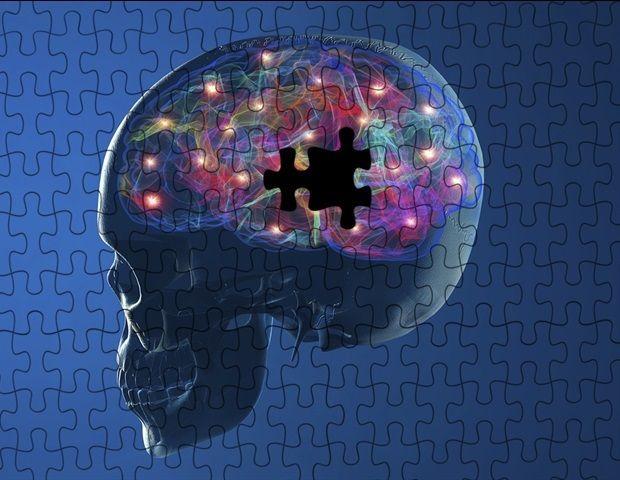
Groundbreaking Research Combines AI and Optogenetics
Korean researchers have made a significant breakthrough in the diagnosis and treatment of Parkinson's disease, a condition that has affected notable figures like Muhammad Ali and Michael J. Fox. A collaborative team from KAIST (Korea Advanced Institute of Science and Technology) and the Institute for Basic Science (IBS) has successfully demonstrated the potential of integrating artificial intelligence (AI) and optogenetics for precise diagnosis and therapeutic evaluation of Parkinson's disease in mice
1
.AI-Powered Early Diagnosis
The research team developed a novel approach using AI-based 3D pose estimation for behavioral analysis. They analyzed over 340 behavioral features in Parkinson's disease mouse models, including gait, limb movements, and tremors. These features were condensed into a single metric called the AI-predicted Parkinson's disease score (APS)
1
.The APS proved to be highly sensitive, detecting significant differences from the control group as early as two weeks after disease induction. This method outperformed traditional motor function tests in assessing disease severity. Key diagnostic features identified included changes in stride, asymmetrical limb movements, and chest tremors .
Distinguishing Parkinson's from Other Motor Disorders
To validate the specificity of their diagnostic approach, the team applied the same analysis to a mouse model of Amyotrophic Lateral Sclerosis (ALS). Despite both conditions causing motor function problems, the ALS model did not exhibit the high APS seen in the Parkinson's model. This demonstrates that the APS is directly related to specific, characteristic changes unique to Parkinson's disease
1
.Related Stories
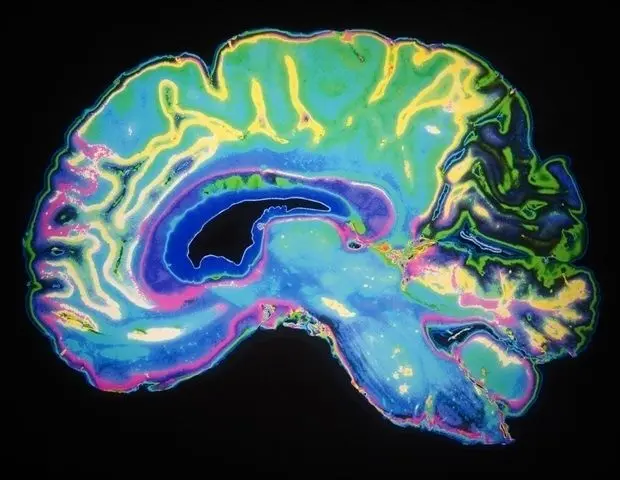
Optogenetics: A Promising Treatment Approach
For treatment, the researchers employed optoRET, an optogenetics technology that precisely controls neurotrophic signals with light. This technique showed effectiveness in the animal model, leading to smoother gait and limb movements and a reduction in tremors. A regimen of shining light on alternate days proved most effective and showed a tendency to protect dopamine-producing neurons in the brain .
Implications for Personalized Medicine
Professor Won Do Heo of KAIST emphasized the significance of this research, stating, "This is the first time in the world that a preclinical framework has been implemented that connects early diagnosis, treatment evaluation, and mechanism verification of Parkinson's disease by combining AI-based behavioral analysis with optogenetics." This breakthrough lays a crucial foundation for future personalized medicine and customized treatments for Parkinson's patients
1
.The study, published in the journal Nature Communications, represents a significant step forward in Parkinson's research. As Dr. Bobae Hyeon, the first author of the study, continues follow-up research at Harvard Medical School, the scientific community eagerly anticipates further developments in this promising field of personalized Parkinson's treatment .
References
Summarized by

Navi
[1]
Related Stories
AI-Enhanced Adaptive Deep Brain Stimulation Shows Promise in Treating Parkinson's Disease
04 Apr 2025•Health
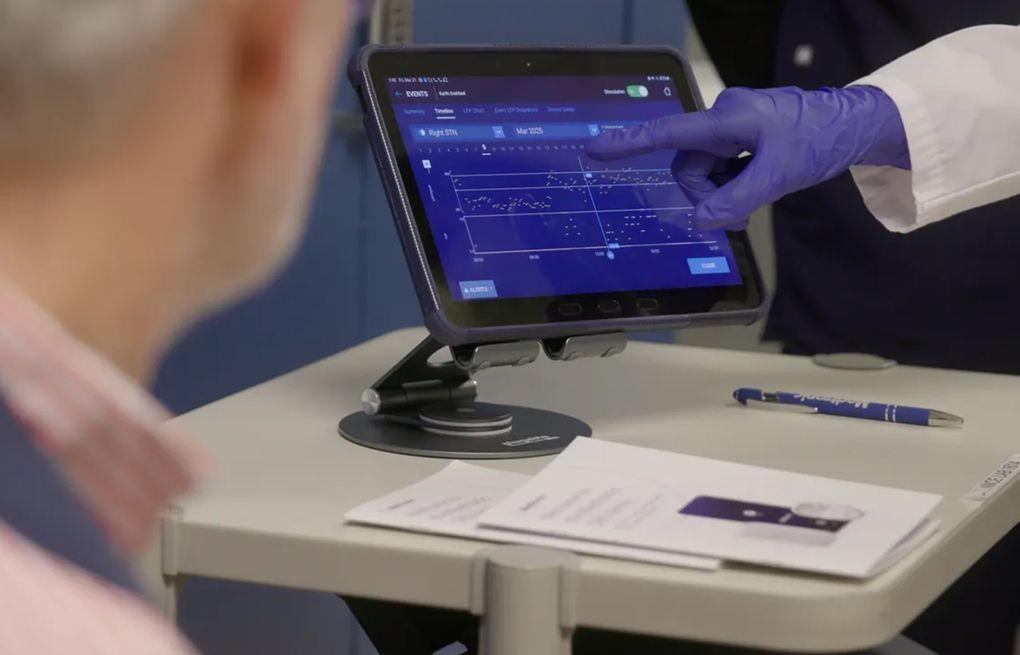
AI Tool VisionMD Revolutionizes Assessment of Parkinson's Disease and Movement Disorders
15 Apr 2025•Health

AI-Powered EEG Analysis Achieves Near-Perfect Parkinson's Disease Detection Through Emotional Brain Responses
17 Dec 2024•Science and Research

Recent Highlights



Recent Highlights
Today's Top Stories






Don’t drown in AI news. We cut through the noise - filtering, ranking and summarizing the most important AI news, breakthroughs and research daily. Follow topics that matter to you and stay ahead.


