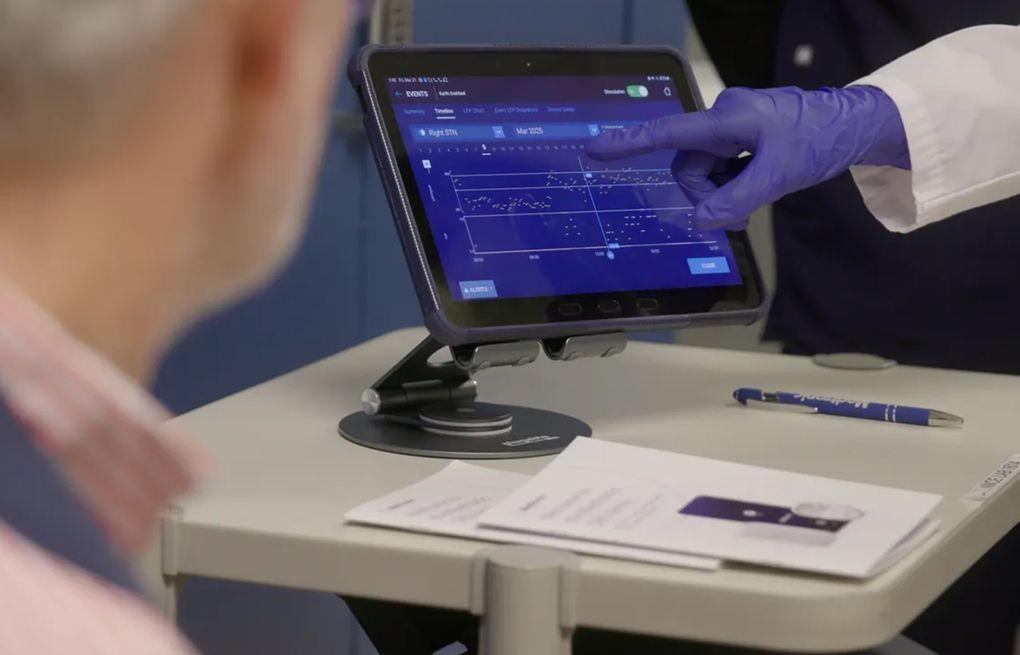
3 Sources
[1]
Activity-dependent adaptive deep brain stimulation improves gait in Parkinson's disease - Nature Medicine
We reasoned that the STN also constitutes a natural and practical target for extracting physiological principles capable of steering activity-dependent therapies for gait and balance38,39,40,41. However, these principles remain to be defined. Here, we show that the distinct muscle activation demands underlying daily mobility activities such as sitting, standing, walking and obstacle avoidance are encoded in STN dynamics. Machine learning strategies informed by these principles enabled the implementation of activity-dependent DBS therapies, personalized to each individual, that ameliorated both locomotor deficits and cardinal motor symptoms in real time. Multimodal platform to dissect activity-dependent STN dynamics We sought to uncover the physiological principles by which STN dynamics encode mobility activities across physiological and therapeutic fluctuations encountered in daily life. Uncovering these principles required mapping electrophysiological signals recorded from the STN onto precise behavioral measurements across a range of locomotor activities and therapeutic conditions, including L-DOPA and STN DBS administered alone or in combination. To enable this mapping, we established a wireless platform integrating real-time STN LFP recordings from an implantable pulse generator (IPG) with sensing capabilities, together with high-resolution tracking of full-body kinematics and bilateral leg muscle activity across multiple muscle groups during unconstrained mobility (Fig. 1a and Supplementary Video 1). We enrolled 35 individuals with advanced PD who exhibited motor fluctuations (Movement Disorder Society Unified Parkinson's Disease Rating Scale Part III (MDS-UPDRS III) median score = 36 OFF L-DOPA, median score improvement with L-DOPA = 20) (Fig. 1b,c and Supplementary Table 1). Kinematic quantifications confirmed the prevalence of locomotor impairments in this cohort (Fig. 1d,e). All participants underwent bilateral implantation of DBS leads in the STN. Postoperative reconstructions confirmed accurate lead placement (Fig. 1b and Supplementary Fig. 1). For each participant, we conducted electrophysiological assessments to define low-beta, high-beta and gamma frequency bands using parametric fitting methods (Supplementary Fig. 2). We further confirmed that the standard-of-care combination of L-DOPA and STN DBS led to improvements in gait quality (Fig. 1d,e). We then dissected the physiological and therapeutic components that influence activity-dependent STN dynamics by isolating conditions encountered in daily life: (1) standard-of-care L-DOPA + STN DBS; (2) L-DOPA and STN DBS administered independently; (3) varying dosages of both therapies; and (4) the OFF-therapy condition as a baseline for comparison (Fig. 1f,g). To address the complexity of interactions between experimental paradigms and therapeutic conditions, participants were divided into groups (labeled A-F), each assigned to specific protocols (Methods and Supplementary Table 2). A first cohort included 19 participants recorded in the OFF-therapy condition and under the standard-of-care combination of STN DBS and L-DOPA (group A). Among them, 9 participants (group B) were additionally assessed at multiple time-points to capture L-DOPA pharmacokinetics and 15 (group C) were assessed under STN DBS only. A second cohort included ten participants recorded under L-DOPA only (group D) and eight who were also assessed under varying STN DBS amplitudes (group E). Finally, four participants were recorded during dynamic toggling of DBS amplitude to evaluate the robustness of neural decoders (group F). STN dynamics encode locomotor activities in the absence of therapy Daily mobility encompasses a diversity of locomotor activities, such as standing, walking, turning or navigating environmental constraints -- each demanding distinct and often asymmetric activation of bilateral leg muscles. In PD, prior work showed that cortico-subthalamic oscillatory activity correlates with abnormal muscle activation during standing, as well as with muscle vigor during isolated leg movements and walking. We thus hypothesized that the distinct muscle activation demands underlying daily locomotor activities must also be encoded in STN dynamics. To test this hypothesis, we mapped the relationship between STN LFP modulations and bilateral leg muscle activation during sitting, standing, walking and obstacle avoidance (Fig. 2 and Extended Data Fig. 1). We first conducted this mapping in the absence of therapy (group A, n = 19 participants). As expected, transitions from sitting to standing to walking elicited a graded increase in the level of bilateral leg muscle activation that reflected progressive adaptations in the range and complexity of leg movements (Fig. 2a and Extended Data Fig. 1a,c). This activity-dependent increase in muscle activation coincided with a progressive increase in gamma band power, accompanied by a gradual decrease in high-beta power (Fig. 2a, black boxplots). These reproducible patterns contrasted with heterogeneous modulations in low-beta power, which showed participant-specific increases, decreases or no consistent change across the 19 individuals (Fig. 2a and Extended Data Fig. 1a). Similar band-power modulations were observed during the phase of increased leg muscle activation required for obstacle avoidance (Extended Data Fig. 1c,d). These results confirm that, in the absence of therapy, STN dynamics encode key locomotor activities of daily mobility through specific spectral modulations. Standard-of-care therapy alters activity-dependent STN dynamics L-DOPA and STN DBS are routinely combined to manage the symptomatology of people with PD. This standard-of-care therapy modulates STN dynamics and may also alter locomotor encoding, potentially limiting the suitability of these signals for regulating gait therapies. Because our goal is to develop activity-dependent DBS protocols under the influence of both treatments, we next asked whether the delivery of STN DBS and L-DOPA with standard-of-care parameters alters activity-dependent STN dynamics. We first confirmed that the combination of L-DOPA and STN DBS improved mobility in our cohort of participants (group A, n = 19). Kinematic and electromyographic analyses revealed improvements in the quality and vigor of gait patterns across the studied locomotor activities (Fig. 1d and Extended Data Fig. 2c). We next examined concomitant changes in STN dynamics. Despite a pronounced reduction in baseline power levels at rest, the gradual modulations in gamma and high-beta power during transitions from sitting to standing to walking were preserved (Fig. 2a). However, the amplitude of these activity-dependent modulations was markedly less pronounced than in the absence of therapy (Fig. 2a, purple boxplots, and Extended Data Figs. 1a-c and 2c). Inspection of low-beta power confirmed the persistent absence of reproducible modulation patterns across participants (Fig. 2a and Extended Data Fig. 1a). These results confirmed that STN encoding of locomotor activities is preserved under standard-of-care L-DOPA and STN DBS, but that the dynamic range of this encoding is markedly weakened. Therapy-specific alterations in activity-dependent STN dynamics Although L-DOPA and STN DBS jointly contribute to improving locomotor deficits, clinical observations indicate that they exert distinct effects on gait and balance. We reasoned that differences in locomotor function must reflect distinct therapy-specific alterations in the encoding of locomotor activities in STN dynamics, in line with prior observations during upper-limb movements. Dissecting these alterations is essential to inform activity-dependent DBS adaptations in patients treated with both treatments. We performed these assessments in the two cohorts recorded under STN DBS only (group C, n = 15 participants) and L-DOPA only (group D, n = 10 participants). Modulations in each cohort were quantified relative to their respective OFF-therapy baseline. We found that L-DOPA versus STN DBS altered activity-dependent STN dynamics in strikingly opposite directions. L-DOPA abolished low-beta power modulations across all studied locomotor activities, while concurrently amplifying activity-dependent modulations in high-beta and gamma power (turquoise boxplots and traces in Fig. 2b and Extended Data Fig. 2a,b). These changes altered the contribution of each frequency band to locomotor encoding. By contrast, STN DBS reduced power levels in the high-beta and gamma bands across all activities, thereby weakening their contribution to this encoding (red boxplots and traces in Fig. 2b and Extended Data Fig. 2a,b, and Supplementary Video 1). These results emphasize that the opposing effects of L-DOPA and STN DBS on the encoding of locomotor activities must be incorporated into the design of algorithms that steer activity-dependent therapies. Impact of L-DOPA pharmacokinetics on activity-dependent STN dynamics L-DOPA pharmacokinetics induce time-dependent motor fluctuations that reflect dynamic changes in brain dopamine levels. We anticipated that these fluctuations must also impose continuously evolving alterations in the encoding of locomotor activities in STN dynamics. To dissect these alterations, we evaluated changes in STN dynamics during sitting, standing and walking every 15 min for 1 h following L-DOPA administration (group B, n = 9 participants). STN DBS remained activated throughout these evaluations. As expected, L-DOPA mediated progressive improvements in gait parameters over the studied period (Fig. 2c,d and Extended Data Fig. 2c). These behavioral improvements were associated with a gradual shift in the contribution of the spectral bands encoding locomotor activities. Concretely, L-DOPA mediated a progressive reduction in low-beta and high-beta power together with an increase in gamma power that correlated with gait quality (Fig. 2c,d). Time-frequency analyses revealed that the gradual reduction in low-beta power during L-DOPA absorption reflected weaker bursts of synchrony during the propulsion phase of walking. By contrast, STN DBS variably increased or decreased the amplitude of these low-beta bursts (Extended Data Fig. 2c). These findings expose pronounced time-dependent effects of L-DOPA on locomotor encoding, highlighting the need for activity-dependent therapies to incorporate temporal information to maintain stable control as STN dynamics continuously evolve. Impact of DBS amplitude on activity-dependent STN dynamics Activity-dependent DBS strategies are designed to adjust stimulation parameters in real time based on ongoing locomotor activities. In clinical practice, stimulation amplitude is routinely adjusted as a first-line approach, making it a natural control variable for implementing activity-dependent DBS. We therefore examined how amplitude adjustments alter the encoding of locomotor activities. In the tested cohort (group E, n = 8 participants), increasing DBS amplitude led to progressive reductions in gamma power, both while sitting and during locomotor activities (Fig. 2e,f). In a subset of participants, this suppression was accompanied by the emergence of a narrow gamma band at half the stimulation frequency, which also exhibited significant activity-related modulation in participants (Extended Data Fig. 2d,e). The limited occurrence of this signature in our cohort, likely reflecting the postoperative timing of recordings, precluded group-level conclusions. Prior work in chronic individuals established this band as a stable signature of L-DOPA fluctuations, suggesting that movement-related encoding may also be robust and generalizable in chronic recordings. These observations indicate that DBS amplitude reshapes the encoding of locomotor activities, creating a dependency between stimulation input and feedback signal that must be accounted for to ensure stable activity-dependent control. Therapy-specific decoders predict locomotor activities We next asked whether these physiological principles support the development of machine learning strategies to guide activity-dependent DBS therapies. Given the opposing impact of L-DOPA versus STN DBS on activity-dependent STN dynamics, these therapies may hinder the stability of neural decoders across therapeutic conditions. To address this question, we tested whether a neural decoder trained to discriminate locomotor activities in the absence of therapy remains accurate under standard-of-care L-DOPA and STN DBS. We developed a machine learning pipeline based on personalized Random Forest decoders trained to discriminate three classes of locomotor activities: sitting, standing and walking (Fig. 3a). In the absence of therapies, decoders classified these activities with good accuracy (Fig. 3b,c and Supplementary Fig. 3; average cross-validation weighted F1 score (wF1) for the 3 classes across n = 18 participants: 69%). To approximate real-time deployment, performance was further validated pseudo-online by replaying data chronologically (Fig. 3d,e, Extended Data Fig. 3a,b and Supplementary Video 2; average wF1-score across n = 18 participants: 66.5%). However, the accuracy of these decoders declined sharply when L-DOPA and STN DBS were administered (average pseudo-online wF1-score across n = 18 participants: 38.2%; Fig. 3e and Extended Data Fig. 3a,b). This decline reflected the expected shift in activity-dependent spectral features under the standard-of-care therapy, which led to overlaps between the spectral signatures of different classes (Fig. 3c and Extended Data Fig. 3c-e). To compensate for these overlaps, we trained separate decoders using STN LFPs collected under the standard-of-care combination of L-DOPA and STN DBS (Fig. 3b, Extended Data Fig. 3a,b,e and Supplementary Fig. 3). We also trained and tested decoders under STN DBS alone (Extended Data Fig. 3j). These therapy-specific decoders restored accurate classification of locomotor activities under their respective therapeutic condition (average cross-validation wF1-score across participants: 63.4% for combined L-DOPA and STN DBS and 64.9% for STN DBS alone), but failed to generalize across conditions (37.8% pseudo-online performance) (Fig. 3e and Extended Data Fig. 3a,b,j). Feature contribution analyses revealed that each decoder relied on distinct spectral bands (Fig. 3c and Extended Data Fig. 3g). We finally asked whether a single decoder trained across all therapeutic conditions -- without therapy and under standard-of-care therapy -- generalizes across conditions. This unified decoder failed to classify locomotor activities accurately, because of overlapping activity-specific spectral features that a single decoder could not disentangle (Fig. 3e and Extended Data Fig. 3f). Similarly, training across participants failed to generalize to individual patients, underscoring the need for personalized decoders (Extended Data Fig. 3h,i). These results demonstrate that locomotor activities can be predicted from STN dynamics with accuracy, but therapy-specific spectral shifts in activity-dependent encoding prevent a single decoder from generalizing across therapeutic conditions. Modular decoding preserves performance across therapeutic conditions Therapy-specific shifts in activity-dependent STN dynamics that impact decoding performance are not static, but instead evolve over time with fluctuations in L-DOPA levels and changes in DBS parameters. We therefore anticipate that continuous decoding across changing therapeutic conditions requires combining multiple decoders, each selected according to the ongoing therapeutic state. We thus implemented a modular framework integrating two therapy-specific decoders (layer 1) and a classifier that dynamically switches between them (layer 2). We first tested whether this modular framework maintains accurate decoding of locomotor activities despite L-DOPA fluctuations (Fig. 4a). We trained two decoders, one under standard-of-care L-DOPA + STN DBS, and one under STN DBS alone (Fig. 4b and Extended Data Fig. 4a). We then optimized a classifier to estimate the probability of being under the influence of L-DOPA (Fig. 4c). Because L-DOPA fluctuations unfold over slower timescales than locomotor-related modulations, we tuned the classifier's hyperparameters to filter out fast movement-related dynamics, while preserving slower L-DOPA-induced changes. This tuning was guided by a genetic algorithm that identified the optimal hyperparameter configuration (Extended Data Fig. 5). We then assessed performance in the nine participants who performed walking tasks at multiple time-points post L-DOPA intake (group B). For all participants, the classifier correctly predicted medication states despite individual differences in absorption times (pseudo-online performance: 69.5% OFF L-DOPA, 75.4% ON L-DOPA; Fig. 4d,e and Extended Data Fig. 4a). In turn, the modular framework enabled accurate decoding of locomotor activities under each medication level, accommodating the progressive shift in spectral encoding caused by the absorption of L-DOPA (Fig. 4d,e and Supplementary Video 2). We then asked whether this modular framework also maintains accurate decoding during adaptations of DBS amplitudes (Fig. 4f and Extended Data Fig. 4b). For this, we implemented two therapy-specific decoders to predict locomotor activities under high DBS amplitude (standard-of-care) or low DBS amplitude (0 mA), and trained the classifier to detect the amplitude of STN DBS (Fig. 4g). We then tested the efficacy in the four individuals undergoing dynamic amplitude toggling (group F). Despite expected alterations in activity-dependent STN dynamics with changing DBS amplitude, the modular framework maintained high decoding accuracy (Fig. 4h,i and Extended Data Fig. 4b). We finally assessed the robustness of the modular decoding framework in out-of-laboratory settings (Extended Data Fig. 6). We monitored locomotor activities using sensorized shoes with embedded artificial intelligence algorithms that computed spatiotemporal gait parameters as participants ambulated across indoor and outdoor environments (Extended Data Fig. 6a). These ecological assessments involved frequent transitions between standing and walking in crowded corridors, elevators and while navigating obstacles. Despite these variable environmental conditions, the modular framework maintained accurate decoding of locomotor activities across therapeutic conditions (Extended Data Fig. 6b,c). This decoding framework provides a blueprint to translate the principles of activity-dependent encoding into adaptive therapies that adjust stimulation to activity demands and fluctuating physiology. On-device implementation of activity-dependent DBS We finally sought proof-of-concept for this decoding framework to steer activity-dependent DBS therapies targeting both cardinal motor symptoms and locomotor deficits. The physiological principles of activity-dependent encoding in the STN showed that accurate discrimination of locomotor activities across therapeutic conditions requires the full spectrum of frequency bands, beyond the beta band typically accessible in commercial devices. Furthermore, targeting cardinal motor symptoms versus locomotor deficits with DBS necessitates versatile control of stimulation parameters. To meet these requirements, we used a commercially available neurostimulation platform with investigational features for advanced sensing and control (Fig. 5). These features supported both upregulation and downregulation of stimulation amplitude, guided by continuous feedback of STN LFP signatures across the entire frequency spectrum (7.8-100 Hz) (Fig. 5a and Supplementary Fig. 4a,b). However, monitoring of neural activity was limited to a single manually defined frequency band per hemisphere, and DBS adaptations could only be triggered by threshold crossings, which limited detection to two discrete states. We thus targeted the most distinct locomotor activities -- sitting and walking. To identify the most discriminative frequency band under these constraints, we applied the first layer of our modular decoding framework to compute the optimal spectral feature for classifying sitting versus walking in each hemisphere (Fig. 5a-d). Decoders were trained separately for high- and low-L-DOPA conditions, while pooling across DBS amplitudes to ensure stability once implemented for real-time control (Supplementary Fig. 4a,b). Therapy-specific decoders identified optimal spectral features that typically differed between medication states and across hemispheres (Fig. 5d). On-device algorithms were programmed using these features for real-time adaptations. Because the full modular decoding framework could not be implemented directly in the device, we implemented the second layer (L-DOPA classifier) pseudo-online in an external computer to inform the optimal DBS parameters based on the ongoing state of the participant (Fig. 5c). This implementation leveraged the core advantages of our modular decoding framework to validate activity-dependent therapies within current implantable system constraints. Activity-dependent DBS therapies alleviate locomotor deficits We finally conducted a feasibility clinical trial in four participants with advanced PD and severe motor fluctuations, whose gait impairments persisted despite optimized DBS settings (ClinicalTrials.gov registration NCT06791902; Fig. 5b and Supplementary Table 3). Despite initial clinical benefits from DBS therapy, participants progressively experienced a worsening of cardinal motor symptoms over time, which was managed through iterative adjustments of stimulation parameters. However, these adjustments remained suboptimal for mitigating locomotor deficits and, in some cases, aggravated them. Three participants (P1-P3) were treated with continuous DBS (cDBS). One participant (P4) was treated with beta-based aDBS for 3 months and reported overall satisfaction with the therapy (Extended Data Fig. 7), although persistent gait-related complaints compelled him to override adaptive therapy and manually increase stimulation amplitudes during walking. We thus investigated whether activity-dependent adjustments in DBS amplitude differentially improved locomotor deficits versus cardinal motor symptoms. For each participant, we characterized the most disabling gait impairments during the eligibility session using clinical gait assessments, MDS-UPDRS III scores, neurologist reports and patient interviews. We then identified optimized DBS amplitudes that mitigated these gait deficits relative to cardinal motor symptoms (Fig. 5e and Extended Data Table 1). Participant P1 presented with pronounced upper-limb rigidity that was managed with high DBS amplitudes; however, these parameters interfered with right-leg function during walking. Reducing DBS amplitude mitigated these interferences. Participant P2 exhibited severe FOG when low in L-DOPA, especially when turning, passing through doors and avoiding obstacles. Increasing DBS amplitude mitigated these difficulties, but exacerbated neck rigidity and impaired speech. Participant P3 exhibited prominent fluctuations-related dystonic movements affecting the right leg that disrupted walking. Reducing DBS amplitude immediately alleviated these deficits, but worsened upper-limb rigidity. Participant P3 also experienced FOG when low in L-DOPA, which was exacerbated by high-amplitude DBS; during experimental sessions, FOG improved following transient reductions in DBS amplitudes. Participant P4 presented with right-leg weakness and reduced walking endurance, described as a sensation of heavy legs and increased effort during prolonged ambulation. These gait-related deficits improved with increased DBS amplitudes, at the expense of dyskinesia. For each participant, we used our decoding pipeline to extract optimal spectral features. These features primarily reflected activity-dependent alpha synchronization in P1, gamma synchronization in P2 and P3, and high-beta desynchronization in P4 (Fig. 5d, Extended Data Figs. 8a and 9b, and Extended Data Table 1). We then implemented activity-dependent DBS protocols that adjusted stimulation amplitude in real time based on modulations of these features (Fig. 6a). We evaluated the preliminary safety and efficacy of these protocols in well-controlled laboratory settings over two consecutive full-day sessions (Fig. 6a-d and Extended Data Fig. 8c-e). Participants and clinical evaluators were blinded to the stimulation condition in all applicable experiments (Methods). Activity-dependent DBS adaptations mitigated locomotor deficits and improved gait quality during walking, while preserving efficacy for cardinal motor symptoms during sitting and standing (Fig. 6b-d and Supplementary Video 3). Participant P1 showed improved leg agility (Fig. 6c and Extended Data Fig. 8c,d), P2 exhibited reduced FOG (Fig. 6d and Extended Data Fig. 8e), P3 displayed alleviation of leg dystonia and FOG (Fig. 6c,d and Extended Data Fig. 8c,d), and P4 showed increased step length, arm swing and walking endurance, along with reduced camptocormia (Fig. 6b and Extended Data Fig. 9). Gait improvements were quantified using principal component analysis (PCA)-based kinematic and EMG analyses, whereas improvements in FOG were assessed through freezing duration metrics. No adverse effects were reported. We finally validated the robustness of activity-dependent DBS in out-of-laboratory conditions (Fig. 6e,f and Supplementary Fig. 5). Kinematic assessments from wearable sensors, together with questionnaires capturing participants' subjective experience, confirmed the superiority of activity-dependent DBS over standard-of-care protocols (Fig. 6e,g).
[2]
AI-powered deep brain stimulation improves walking in Parkinson's patients
Ecole Polytechnique Federale de Lausanne (EPFL)Jun 15 2026 Deep brain stimulation (DBS) has been used for more than three decades to treat motor symptoms of Parkinson's disease. Today, over 200,000 patients worldwide have been implanted with these systems, which continuously deliver electrical stimulation to specific deep brain regions to reduce rigidity and tremor. Yet despite its clinical success, conventional deep brain stimulation (DBS) remains limited in its ability to address one of the most disabling symptoms of the disease: walking impairments. Researchers in Lausanne have developed a new approach, published in Nature Medicine, that adapts DBS in real time to the patient's mobility in everyday situations. Thanks to artificial intelligence, the system continuously interprets the patient's activity and adjusts stimulation in real time, improving walking, climbing stairs, and even the simple act of standing up. Adapting stimulation to real-life situations "Before, I could barely walk because my legs would feel heavy or sometimes move uncontrollably. Now, as the stimulation adapts to what I'm doing, I can walk better and for longer stretches," recounts Mr. F, one of the study's participants. Unlike conventional DBS, which delivers stimulation continuously with fixed parameters, the new therapy adjusts stimulation dynamically based on the patient's ongoing locomotor activity. Daily locomotor activity involves a variety of activities, such as standing, walking, running, turning or navigating obstacles, each imposing distinct motor requirements. This work shows that we can decode many of these activities from neural biomarkers and adapt stimulation to match their physiological demands, helping patients move more naturally." Eduardo Moraud, the newly appointed Medtronic Chair in Neuromodulation professor at EPFL Using artificial intelligence on data from forty patients, the researchers developed neural decoders that detect different locomotor states directly from brain activity in real time. These signals are then used to modulate stimulation within seconds, allowing the therapy to adjust as movement unfolds. The approach builds on clinically established DBS systems. Through collaboration with industry partner Medtronic, the researchers were able to access and refine key aspects of the technology to target gait problems, enabling the development of adaptive, real-time stimulation strategies. From the clinic to everyday use "Walking problems often respond differently to DBS than tremor or rigidity, something clinicians have recognized for years. Our work shows that stimulation settings can be adjusted automatically to meet a person's needs as they move", says Jocelyne Bloch, head of neurosurgery at CHUV and senior co-author of the study. Conducted within the .NeuroRestore interdisciplinary center co-directed by Bloch, this work brings together CHUV's clinical expertise with EPFL's leadership in neurotechnology to accelerate the translation of next-generation therapies. "Turning deep brain stimulation into an intelligent therapy opens entirely new possibilities for patients, especially those living with severe walking impairments", explains Bloch. The research team is considering conducting a follow-up study to evaluate long-term outcomes of this therapy and extend the approach to a larger patient population. Source: Ecole Polytechnique Federale de Lausanne (EPFL) Journal reference: Scafa, S., et al. (2026). Activity-dependent adaptive deep brain stimulation improves gait in Parkinson's disease. Nature Medicine. DOI: 10.1038/s41591-026-04432-4. https://www.nature.com/articles/s41591-026-04432-4
[3]
Adaptive Deep Brain Stimulation Fixes Parkinson's Walking Gait
Summary: Researchers developed a closed-loop deep brain stimulation (DBS) system that reads and responds to human walking patterns in real time. While conventional DBS delivers a rigid, unyielding wave of electricity that frequently fails to resolve disabling Parkinson's symptoms like freezing of gait and catastrophic falls, this new adaptive DBS (aDBS) system operates entirely within the sub-second timeline of human locomotion. By embedding predictive neural algorithms directly into an implanted neurostimulator, the device tracks the individual electrical signatures of the left and right legs during each phase of stride execution. Operating autonomously without an external computer, the implant alters its therapeutic output within fractions of a second, acting as an intelligent "brain pacemaker" that works in perfect synchrony with the moving patient. Key Facts * The Stride-by-Stride Pacemaker Analog: Moving past outdated medical hardware models, the UCSF device operates precisely like a modern cardiac pacemaker. Instead of tracking the natural rhythm of the heart, the artificial intelligence architecture continuously monitors the brain's unique rhythm of walking to calculate stimulation bursts. * The Failure of Continuous Stimulation: Over ten million people worldwide live with Parkinson's disease. While traditional continuous deep brain stimulation excels at suppressing tremors and stiffness, it remains largely ineffective against gait impairment, leaving patients highly vulnerable to wheel-chair dependency and traumatic fall injuries. * The Bilateral Left-Right Neural Map: Dr. Wang's team achieved a major engineering breakthrough by isolating the exact, individualized neural signatures generated when a patient lifts and plants their left or right foot. These data loops are loaded onto the embedded chip to handle step-by-second micro-adjustments. * Laboratory and Real-World Validation: In controlled laboratory settings, the aDBS protocol triggered immediate improvements in spatial gait symmetry and slashed structural walking pattern variability. Subsequent multi-day, blinded crossover trials conducted in participants' everyday home environments confirmed a massive reduction in physical falls. * The Dual Cortical-Subcortical Array: To read and write behavior simultaneously, the five clinical trial participants were fitted with an advanced investigational array. In addition to deep subcortical brain stimulation leads, research electrodes were placed directly over movement-related cortical areas to capture clean intentional signals. * A Paradigm Shift Toward Behavioral Feedback: Historically, adaptive neurotherapies have responded exclusively to slow-moving biological state changes, like medication tracking or overnight sleep cycles. The UCSF approach marks a profound shift by tying neural stimulation directly to active, millisecond behavior. * The Future of Personalized Neuromodulation: Because this architecture proves the brain can dynamically listen and react to real-time actions, neurosurgeons project this framework will quickly scale to build responsive, personalized therapies for speech disorders, deep treatment-resistant depression, and cognitive decay. Source: UCSF UC San Francisco researchers have developed a new form of deep brain stimulation (DBS) that adjusts in real time as a person walks, helping improve gait and reduce falls in people with Parkinson's disease. The study, publishing June 15 in Nature Medicine, demonstrates for the first time that an implanted brain stimulator can detect neural signals associated with each step and automatically adjust stimulation within fractions of a second. Much like a cardiac pacemaker responds to the heart's rhythm, the new system responds to the brain's rhythm of walking. "Difficulty walking is one of the most disabling symptoms of Parkinson's disease and one of the hardest to treat," said Doris D. Wang, MD, PhD, associate professor of neurological surgery at UCSF and senior author of the study. "Walking is a highly dynamic behavior that requires precise timing across both sides of the body. We developed a system that can recognize those movement patterns and respond in real time, effectively allowing the stimulation to work with the patient as they move." A Smarter Kind of Brain Stimulation More than 10 million people worldwide live with Parkinson's disease. While deep brain stimulation can dramatically improve tremor, stiffness, and slowness, many patients continue to struggle with gait impairment, freezing of gait, and falls -- symptoms that are among the leading causes of disability and loss of independence. The UCSF team believed that one reason standard DBS has limited effects on walking is that gait itself is constantly changing. Every step requires rapid coordination between the brain, spinal cord, and muscles. Conventional or continuous DBS, however, delivers a fixed pattern of stimulation regardless of what a person is doing. To address this challenge, the researchers developed a personalized adaptive DBS (aDBS) system that identifies brain signals associated with movement of the left and right legs. These signals are then embedded directly into the implanted neurostimulator, allowing the device to automatically adjust stimulation during each phase of walking without requiring an external computer. "The brain contains remarkably rich information about movement," said first author Kenneth H. Louie, PhD, a UCSF post-doctoral scholar. "We found that we could identify neural signatures linked to each step and use them to guide stimulation in real time." From Constant Therapy to Responsive Therapy The study enrolled five people with Parkinson's disease who had undergone DBS surgery and were participating in a UCSF research program using an investigational DBS system. In addition to their therapeutic DBS leads implanted deep within the brain, participants had research electrodes placed over movement-related areas of the brain. Together, these devices allowed researchers to identify personalized neural signatures (brain signals) of walking and program the stimulator to automatically adjust therapy in real time. In laboratory testing, the aDBS system improved measures of gait symmetry and reduced variability in walking patterns, both markers of more stable and efficient gait. Participants then completed a blinded, multi-day crossover study in their daily lives. During periods when the adaptive system was active, participants experienced fewer falls while maintaining overall control of Parkinson's symptoms. No serious adverse events occurred, and patients tolerated the rapid stimulation adjustments well. Although larger studies are needed, the findings provide early evidence that timing stimulation to behavior may improve outcomes beyond what is possible with conventional continuous stimulation. A New Frontier for Personalized Neuromodulation The work represents a shift in how scientists think about brain stimulation therapies. Most aDBS systems developed to date respond to slowly changing indicators of disease state. The UCSF approach instead responds directly to behavior itself. "This study is about more than walking," Wang said. "It demonstrates that brain stimulation can adapt to what a person is doing in real time. That opens the door to future therapies that respond dynamically to movement, speech, mood, cognition, and other brain functions." Researchers envision a future in which implanted devices continuously sense and respond to neural activity, delivering personalized therapy only when and where it is needed. "This is an important step toward a new generation of brain therapies," said Wang. "Instead of delivering the same stimulation all day long, future devices may continuously listen to the brain and immediately respond to a patient's needs. Just as pacemakers transformed the treatment of heart disease, intelligent neurostimulators may transform how we treat disorders of the brain." Additional UCSF Authors: Kenneth H. Louie, PhD, Jannine P. Balakid, BS, Jessica E. Bath, DPT, PhD, Seongmi Song, PhD, Hamid Fekri Azgomi, PhD, Jacob H. Marks, BA, Philip A. Starr, MD, PhD. Additional Authors: Julia T. Choi, PhD, (University of Florida, Gainesville). Funding: This study was supported by the Michael J Fox Foundation Grant MNS135499A, the UCSF Burroughs Wellcome Fund Career Award for Medical Scientist, and National Institute of Neurological Disorders and Stroke (NIH/NINDS) 1R01NS130183. This study was also partially supported by UCSF Catalyst Grants. All funding above was obtained by D.D.W. Disclosures: D.D.W. consults for Medtronic, Boston Scientific, and Iota Bioscience, and receives research support from Boston Scientific. P.A.S. receives support from Medtronic and Boston Scientific for fellowship education. K.H.L. is a current employee of Echo Neurotechnologies. This work was completed prior to their employment at Echo Neurotechnologies, and Echo Neurotechnologies had no role in the study design, data collection, analysis, or decision to publish. Key Questions Answered: Editorial Notes: * This article was edited by a Neuroscience News editor. * Journal paper reviewed in full. * Additional context added by our staff. About this neurotech and Parkinson's disease research news Author: Brooke Thornton Source: UCSF Contact: Siyun Qin - Brooke Thornton Image: The image is credited to Neuroscience News Original Research: Open access. "Adaptive Deep Brain Stimulation for Dynamic Gait Control in Parkinson's 2 Disease: a randomized feasibility trial" by Kenneth H. Louie, Jannine P. Balakid, Jessica E. Bath, Seongmi Song, Hamid Fekri Azgomi, Jacob H. Marks, Julia T. Choi, Philip A. Starr & Doris D. Wang. Nature Medicine DOI:10.1038/s41591-026-04434-2 Abstract Adaptive Deep Brain Stimulation for Dynamic Gait Control in Parkinson's 2 Disease: a randomized feasibility trial A randomized crossover study of five patients with Parkinson's disease (PD) demonstrates that gait-synchronized adaptive deep brain stimulation is feasible and safe, and reduces falls compared with continuous stimulation. Gait dysfunction in PD is a major source of disability and is often insufficiently treated by continuous deep brain stimulation (cDBS). Although adaptive DBS (aDBS) has shown efficacy for other motor symptoms using β-based, state-driven neural signals, gait is a dynamic, cyclical behavior that may require temporally precise modulation. Here we evaluated a behavior-contingent aDBS approach that synchronizes stimulation to gait phase. We reported a single-center, blinded, randomized, crossover study evaluating the feasibility of identifying patient-specific biomarkers to drive aDBS. The primary outcome was feasibility of successful identification of gait-phase biomarkers to implement aDBS. Five participants with PD undergoing pallidal DBS and subdural electrode paddle implantation were enrolled. We successfully identified personalized gait-phase biomarkers from cortical or pallidal field potentials in all five patients and embedded them into a bidirectional neurostimulator. During acute in-clinic testing, aDBS improved step variability and step symmetry versus cDBS. Three participants subsequently completed a double-blinded, multi-day crossover phase. In this setting, aDBS maintained general motor symptom control, reduced falls and yielded patient-specific gait improvements. No adverse events occurred and aDBS was well tolerated. These findings establish the feasibility of biomarker-driven, movement-synchronized neuromodulation and support the development of a larger randomized trial to determine clinical efficacy.
Share
Copy Link
Researchers have developed adaptive deep brain stimulation that adjusts electrical pulses in real time based on patient movement. The system uses machine learning to decode brain signals during walking, standing, and obstacle navigation, delivering personalized neuromodulation that improves walking in Parkinson's patients where conventional therapies fall short.
Deep brain stimulation has treated motor symptoms in Parkinson's disease for over three decades, with more than 200,000 patients worldwide currently implanted with these systems
2
. Yet conventional deep brain stimulation delivers continuous electrical pulses with fixed parameters, proving remarkably effective against tremor and rigidity while remaining largely ineffective against one of the most disabling symptoms: gait impairment and walking difficulties3
. Researchers at EPFL in Lausanne and UCSF have now demonstrated that AI-powered deep brain stimulation can adapt stimulation in real time to match the patient's ongoing locomotor activity, marking a significant shift in how neurological disorders are treated.Published in Nature Medicine, the study enrolled 35 individuals with advanced Parkinson's disease who exhibited motor fluctuations, with a median MDS-UPDRS III score of 36 in the OFF L-DOPA state
1
. All participants underwent bilateral implantation of DBS leads in the subthalamic nucleus, a deep brain region that serves as a natural target for extracting physiological principles capable of steering activity-dependent therapies for gait and balance.
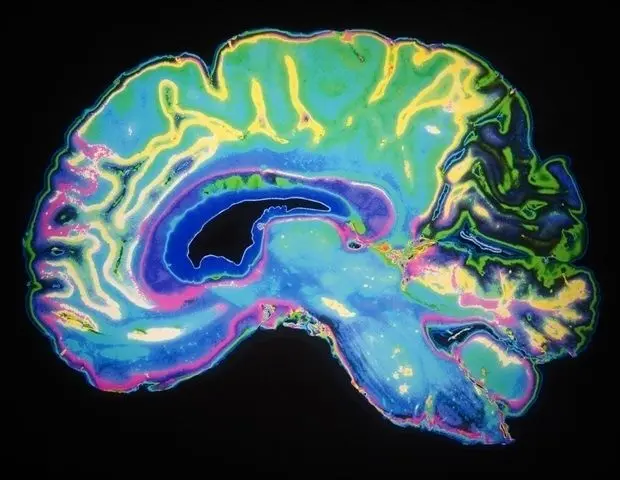
Source: News-Medical
The research team established a wireless platform integrating real-time subthalamic nucleus local field potential recordings from an implantable pulse generator with sensing capabilities, together with high-resolution tracking of full-body kinematics and bilateral leg muscle activity during unconstrained mobility
1
. This multimodal approach enabled researchers to map how distinct muscle activation demands underlying daily locomotor activities—sitting, standing, walking, and obstacle avoidance—are encoded in subthalamic nucleus dynamics.Using artificial intelligence on data from the enrolled patients, the researchers developed neural decoders that detect different locomotor states directly from brain activity in real time
2
. The system operates like a cardiac pacemaker for the brain, continuously monitoring neural signatures and adjusting stimulation within fractions of a second as movement unfolds3
.The adaptive system tracks the individualized neural signatures generated when a patient lifts and plants their left or right foot, loading these data loops onto an embedded chip to handle step-by-second micro-adjustments
3
. Operating autonomously without an external computer, the neurostimulator alters its therapeutic output within the sub-second timeline of human locomotion, acting as an intelligent brain pacemaker that works in synchrony with the moving patient.
Source: Neuroscience News
"Before, I could barely walk because my legs would feel heavy or sometimes move uncontrollably. Now, as the stimulation adapts to what I'm doing, I can walk better and for longer stretches," recounts one study participant
2
. In controlled laboratory settings, the adaptive protocol triggered immediate improvements in spatial gait symmetry and reduced structural walking pattern variability. Subsequent multi-day, blinded crossover trials conducted in participants' everyday home environments confirmed a substantial reduction in physical falls3
.Related Stories
The study dissected physiological and therapeutic components influencing activity-dependent subthalamic nucleus dynamics by isolating conditions encountered in daily life: standard-of-care L-DOPA combined with deep brain stimulation, each therapy administered independently, varying dosages of both therapies, and OFF-therapy baseline conditions
1
. Machine learning strategies informed by these principles enabled implementation of personalized neuromodulation therapies tailored to each individual that ameliorated both locomotor deficits and cardinal motor symptoms."Walking problems often respond differently to DBS than tremor or rigidity, something clinicians have recognized for years. Our work shows that stimulation settings can be adjusted automatically to meet a person's needs as they move," says Jocelyne Bloch, head of neurosurgery at CHUV
2
.More than 10 million people worldwide live with Parkinson's disease, with gait impairment, freezing of gait, and falls ranking among the leading causes of disability and loss of independence
3
. The ability to tie neural stimulation directly to active, millisecond behavior represents a shift from historical adaptive neurotherapies that responded exclusively to slow-moving biological state changes like medication tracking or overnight sleep cycles.Because this architecture proves the brain can dynamically listen and react to real-time actions, neurosurgeons project this framework will quickly scale to build responsive therapies for speech disorders, treatment-resistant depression, and cognitive decline
3
. The research team is considering a follow-up study to evaluate long-term outcomes and extend the approach to a larger patient population2
. The approach builds on clinically established systems through collaboration with industry partner Medtronic, enabling development of adaptive, real-time stimulation strategies that could transform treatment for patients living with severe walking impairments.Summarized by
Navi
[3]
04 Apr 2025•Health

23 Apr 2025•Science and Research

26 Sept 2025•Health

1
Policy and Regulation

2
Business and Economy

3
Technology