AI and Robotics Revolutionize Waste Management in Cities


2 Sources
[1]
From robotic trucks to smart bins: how technology is helping cities sort their waste problem
Since early January 2025, residents of Birmingham in the UK have been caught in the dispute between the city council and the Unite union over pay, terms and conditions for waste and recycling collectors. The latest attempt at talks broke down in acrimony. At one point during the crisis, there were
[2]
From robotic trucks to smart bins: How technology is helping cities sort their waste problem
Since early January 2025, residents of Birmingham in the UK have been caught in the dispute between the city council and the Unite union over pay, terms and conditions for waste and recycling collectors. The latest attempt at talks broke down in acrimony. At one point during the crisis, there were
Share
Copy Link
Birmingham's waste crisis sparks discussion on using advanced technologies like AI and robotics to improve urban waste management, potentially transforming the industry and worker roles.
Birmingham's Waste Crisis Sparks Technological Innovation
Birmingham, the UK's second-largest city, has been grappling with a severe waste management crisis since early January 2025. The dispute between the city council and the Unite union over pay and working conditions for waste collectors has led to the accumulation of 17 tonnes of uncollected rubbish, posing significant public health and safety risks
1
.The Role of AI and Robotics in Waste Management

Source: Tech Xplore
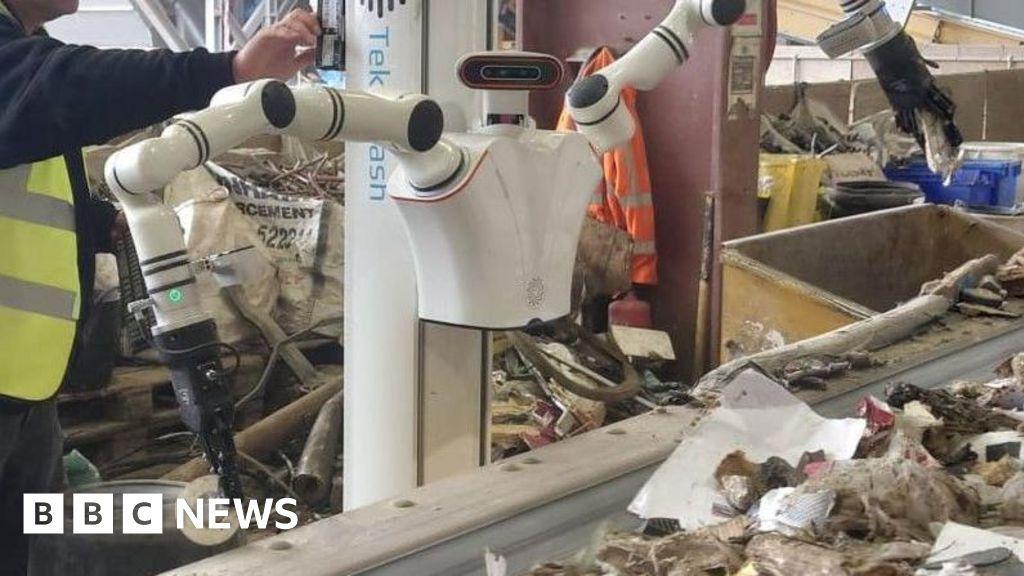
As cities face challenges in waste collection, advanced technologies are emerging as potential solutions. Robotics and artificial intelligence (AI) are making automated refuse collection a reality, with several cities in the US, Canada, and parts of Europe already implementing robotics-enabled equipment in their waste management systems
2
.Smart Bins and Automated Trucks
One of the key innovations in this field is the use of smart bins equipped with sensors to monitor waste volumes and predict collection needs. These bins, when combined with automated side loader trucks, can significantly improve the efficiency of waste collection processes. The trucks, capable of lifting and emptying large bins, are already considered mature technology and are in use across various cities
1
.
Source: The Conversation
AI-Powered Optimization
AI algorithms play a crucial role in analyzing data from sensors embedded in vehicles and smart bins. This data helps create waste maps and optimize collection schedules, leading to more efficient use of the truck fleet. Machine learning techniques can detect anomalies, such as sudden increases in certain types of waste, allowing for adaptive solutions and increased productivity
2
.Advanced Sorting and Analysis
Recent advancements in imaging techniques and chemical analysis are enabling the automatic identification and sorting of different waste materials, including hazardous waste. This technology has the potential to significantly improve recycling rates and the recovery of valuable materials such as electronics, automotive parts, plastics, and metals
1
.Related Stories

Innovative Waste Collection Systems
Other technological solutions being explored include smart underground storage containers and pneumatic waste collection systems. The latter, already tested in Wembley, London, uses underground pipes to transport waste at high speeds to central collection points. These systems are being adopted in over 30 countries, showcasing the global trend towards innovative waste management solutions
2
.Challenges and Opportunities
While these technologies offer numerous benefits, their implementation comes with challenges. Some solutions, like underground storage containers, may require significant infrastructure changes. Additionally, there's a need to balance technological advancements with workforce concerns, as the transition may impact current waste collection jobs
1
.The Future of Urban Waste Management
As cities like Birmingham face waste management crises, the adoption of advanced technologies presents an opportunity to build more sustainable and efficient systems. By embracing AI, robotics, and smart technologies, cities can not only address immediate challenges but also pave the way for a greener, more sustainable future in urban waste management
2
.References
Summarized by

Navi
[1]
Related Stories
Humanoid robot tackles waste sorting as recycling industry faces 40% staff turnover crisis
05 May 2026•Technology
AI-Powered Robotics Project Revolutionizes Electronic Waste Recycling
04 Feb 2025•Technology

Danu Robotics Secures $5M to Scale AI-Powered Recycling Robot Across Europe and North America
10 Oct 2026•Technology

Recent Highlights



Recent Highlights
Today's Top Stories



Don’t drown in AI news. We cut through the noise - filtering, ranking and summarizing the most important AI news, breakthroughs and research daily. Follow topics that matter to you and stay ahead.


