AI-Assisted Doctor Responses: The Future of Patient Communication


4 Sources
[1]
Your doctor might be using AI to answer your questions - here's how that works
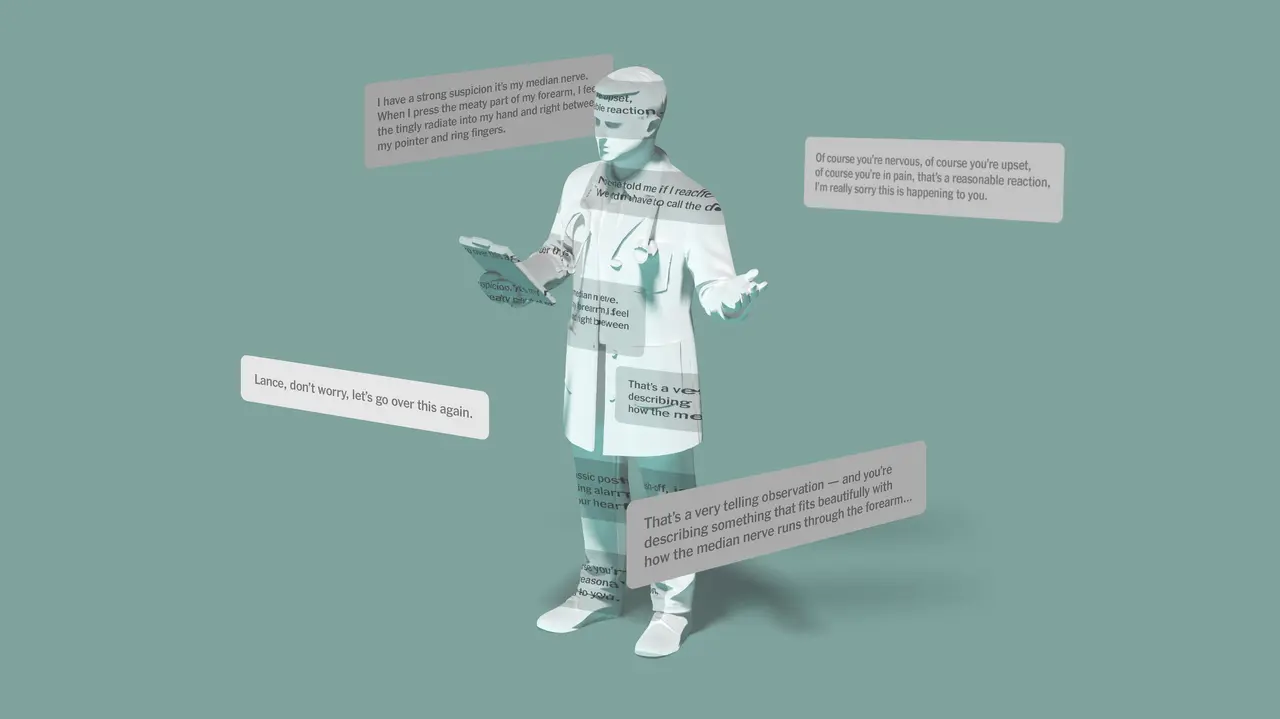
A popular patient portal called MyChart now employs an AI bot that thousands of US doctors are using to write messages to their patients. Disclosure is optional. The next time you read a message in MyChart from your doctor, that message might be from an AI bot. According to a New York Times
[2]
Asking medical questions through MyChart? Your doctor may let AI respond
A popular patient portal now employs an AI bot that thousands of US doctors use to write messages to patients. Disclosure is optional. The next time you read a message in MyChart from your doctor, that message might be from an AI bot. According to a New York Times report, about 15,000 doctors and
[3]
That Message From Your Doctor? It May Have Been Drafted by A.I.
Overwhelmed by queries, physicians are turning to artificial intelligence to correspond with patients. Many have no clue that the replies are software-generated. Every day, patients send hundreds of thousands of messages to their doctors through MyChart, a communications platform that is nearly
[4]
That message from your doctor? it may have been drafted by AI
Many patients receiving those replies have no idea that they were written with the help of AI. In interviews, officials at several health systems using MyChart's tool acknowledged that they do not disclose that the messages contain AI-generated content. The trend troubles some experts who worry
Share
Copy Link
Healthcare providers are increasingly using AI to draft responses to patient inquiries. This trend raises questions about efficiency, accuracy, and the changing nature of doctor-patient relationships in the digital age.

The Rise of AI in Healthcare Communication
In a significant shift in healthcare communication, doctors are increasingly turning to artificial intelligence (AI) to help draft responses to patient inquiries. This trend, primarily facilitated through patient portals like MyChart, is reshaping the landscape of doctor-patient interactions in the digital age
1
.How AI-Assisted Responses Work
When patients send messages through platforms like MyChart, AI systems analyze the content and generate draft responses for healthcare providers. These drafts are based on the patient's medical history, current medications, and relevant medical knowledge. Importantly, doctors review and edit these AI-generated responses before sending them to patients, ensuring accuracy and personalization
2
.Benefits and Concerns
Proponents argue that AI-assisted responses can significantly improve efficiency, allowing doctors to respond more quickly to patient inquiries. This technology could potentially reduce physician burnout by alleviating some of the administrative burden associated with patient communication
3
.However, the use of AI in patient communication also raises concerns. Critics worry about the potential for errors, the loss of personal touch in doctor-patient relationships, and issues related to privacy and data security. There are also questions about how transparent healthcare providers should be about their use of AI in crafting responses
4
.Regulatory Landscape and Future Implications
As this technology becomes more widespread, regulatory bodies are grappling with how to oversee its use. The U.S. Food and Drug Administration is working on developing guidelines for AI in healthcare, but the rapid pace of technological advancement poses challenges for timely and effective regulation
3
.Related Stories

Patient Perspectives and Adaptation
Patient reactions to AI-assisted responses have been mixed. While some appreciate faster response times, others express concern about the authenticity of their interactions with healthcare providers. As this technology becomes more prevalent, patients may need to adapt to a new paradigm of healthcare communication, balancing the benefits of efficiency with the desire for personalized care
4
.The Future of AI in Healthcare
As AI continues to evolve, its role in healthcare is likely to expand beyond patient communication. Future applications could include more advanced diagnostic tools, personalized treatment plans, and predictive health analytics. However, the integration of AI in healthcare will require ongoing evaluation to ensure it enhances rather than diminishes the quality of patient care
1
.References
Summarized by

Navi
Related Stories
AI in Healthcare: Patients Trust AI Medical Advice Over Doctors, Raising Concerns and Challenges
18 Aug 2025•Health

Patients Turn to AI Chatbots for Medical Advice as Healthcare System Frustrations Mount
17 Nov 2025•Health
65% of U.S. doctors now rely on OpenEvidence, a free AI tool most patients don't know about
14 May 2026•Health

Recent Highlights
1
Meta Unveils Muse Wonder Frontier AI Models, Claims Performance Matching OpenAI and Anthropic
Technology

2
Microsoft and Nvidia Launch Surface Laptop Ultra: A $2,599 AI-Ready PC With RTX Spark Chip
Technology

3
Meta Muse AI Agent Surges to 6.6M Downloads Despite Privacy and Security Controversies
Technology

Recent Highlights
Today's Top Stories






Don’t drown in AI news. We cut through the noise - filtering, ranking and summarizing the most important AI news, breakthroughs and research daily. Follow topics that matter to you and stay ahead.


