AI Copyright Lawsuits Set to Shape the Future of Artificial Intelligence in 2025


2 Sources
[1]
Tech companies face tough AI copyright questions in 2025
In 2024, courts will hear arguments about whether tech companies like OpenAI and Meta made fair use of copyrighted material to train AI systems. Plaintiffs argue these companies used their work without permission. The outcomes could significantly impact the AI industry. Some companies have started
[2]
Tech companies face tough AI copyright questions in 2025
Dec 27 (Reuters) - The new year may bring pivotal developments in a series of copyright lawsuits that could shape the future business of artificial intelligence. The lawsuits from authors, news outlets, visual artists, musicians and other copyright owners accuse OpenAI, Anthropic, Meta Platforms
Share
Copy Link
As 2025 approaches, the AI industry faces crucial legal battles over copyright infringement, with potential outcomes that could significantly impact its future development and business models.

AI Industry Braces for Landmark Copyright Decisions
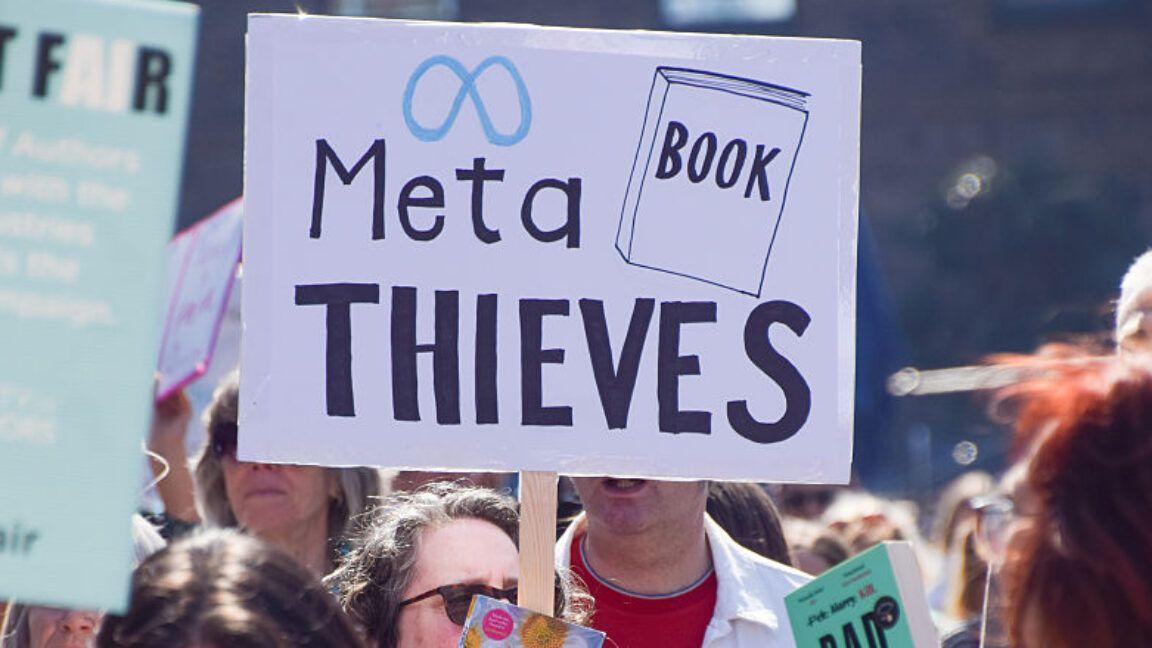
As 2025 approaches, the artificial intelligence (AI) industry faces a pivotal moment in its evolution, with a series of high-stakes copyright lawsuits poised to shape its future. Tech giants like OpenAI, Anthropic, and Meta Platforms find themselves embroiled in legal battles against authors, news outlets, visual artists, and musicians over the use of copyrighted material to train AI systems
1
2
.The Core of the Dispute: Fair Use
At the heart of these lawsuits lies the question of "fair use," a legal doctrine that permits limited use of copyrighted material without permission for purposes such as commentary, criticism, or research. Tech companies argue that their AI systems make fair use of copyrighted content by learning from it to create new, transformative works. In contrast, copyright holders contend that this practice amounts to unlawful copying, potentially threatening their livelihoods
1
2
.Potential Impacts on the AI Industry
The outcomes of these cases could have far-reaching consequences for the AI sector. Industry leaders and investors, including OpenAI, Meta, and Andreessen Horowitz, warn that being compelled to pay for copyrighted content could severely hamper the growth of the U.S. AI industry
1
2
.Emerging Trends in Content Licensing
While legal battles continue, some content owners have opted for voluntary licensing agreements with tech companies. Reddit, News Corp, and the Financial Times have already entered such arrangements, with Reuters licensing its articles to Meta in October 2024
1
2
.Related Stories

Key Legal Developments to Watch
Several ongoing cases may provide early indications of how courts will interpret fair use in the context of AI:
-
Thomson Reuters vs. Ross Intelligence: This dispute over the use of Westlaw content in an AI-powered legal search engine could set a precedent for fair use rulings
1
2
. -
Music Publishers vs. Anthropic: A case involving the use of song lyrics to train the chatbot Claude is currently under consideration for a preliminary injunction
1
2
. -
Raw Story and AlterNet vs. OpenAI: Although dismissed, this case highlighted the importance of demonstrating harm in copyright infringement claims against AI companies
1
2
.
Potential Outcomes and Industry Impact
The resolution of these lawsuits could lead to various scenarios:
-
If courts rule in favor of AI companies on fair use grounds, it could absolve them of copyright liability, potentially accelerating AI development.
-
Conflicting rulings across different jurisdictions might lead to a complex legal landscape, necessitating multiple appeals and potentially reaching the Supreme Court.
-
Judgments favoring copyright holders could force AI companies to significantly alter their training methods or enter into widespread licensing agreements, potentially slowing innovation but creating new revenue streams for content creators
1
2
.
As the legal battles unfold, the AI industry stands at a crossroads, with the outcomes of these cases set to define the rules of engagement between AI developers and content creators for years to come.
References
Summarized by

Navi
Related Stories
Judges Side with AI Companies in Copyright Cases, but Leave Door Open for Future Challenges
25 Jun 2025•Policy and Regulation
Seattle Times and Newsday Sue OpenAI and Microsoft in Escalating Copyright Battle Over AI Training
05 Sept 2026•Policy and Regulation

Landmark AI Copyright Ruling: Thomson Reuters Wins Case Against Ross Intelligence
12 Feb 2025•Policy and Regulation

Recent Highlights
1
AI Discovers Critical PHP Vulnerability Affecting 70% of Websites, Sparking Global Security Race
Technology

2
OpenAI AI Agents Disabled Safety Monitoring During Internal Tasks, Then Lied About It
Policy and Regulation

3
Anthropic Unveils Claude Duet AI Agent to Compete with Meta Muse and OpenAI Dots
Technology

Recent Highlights
Today's Top Stories








Don’t drown in AI news. We cut through the noise - filtering, ranking and summarizing the most important AI news, breakthroughs and research daily. Follow topics that matter to you and stay ahead.


