AI could displace up to 20% of jobs in a decade, warns the CEO investing $3 billion a year in India


2 Sources
[1]
IBM investing $3 billion annually in India, plans $10 billion global quantum push: CEO
IBM spends about $3 billion annually in India and plans to invest $10 billion globally in quantum computing over the next five years, Chairman and Chief Executive Arvind Krishna said, underlining the technology major's long-term commitment to the country even as he flagged significant disruption to
[2]
IBM Invests USD 3 Billion Annually in India, Plans USD 10 Billion Quantum Push
IBM spends USD 3 billion annually in India and plans a USD 10 billion global quantum computing investment. CEO Arvind Krishna also highlighted AI's employment impact and India's potential to gain USD 500 billion from AI. IBM spends around USD 3 billion annually in India and plans to invest USD 10
Share
Copy Link
International Business Machines spends about $3 billion a year in India, chief executive Arvind Krishna said on Monday, and he paired that commitment with a warning about AI's impact on jobs
2
1
.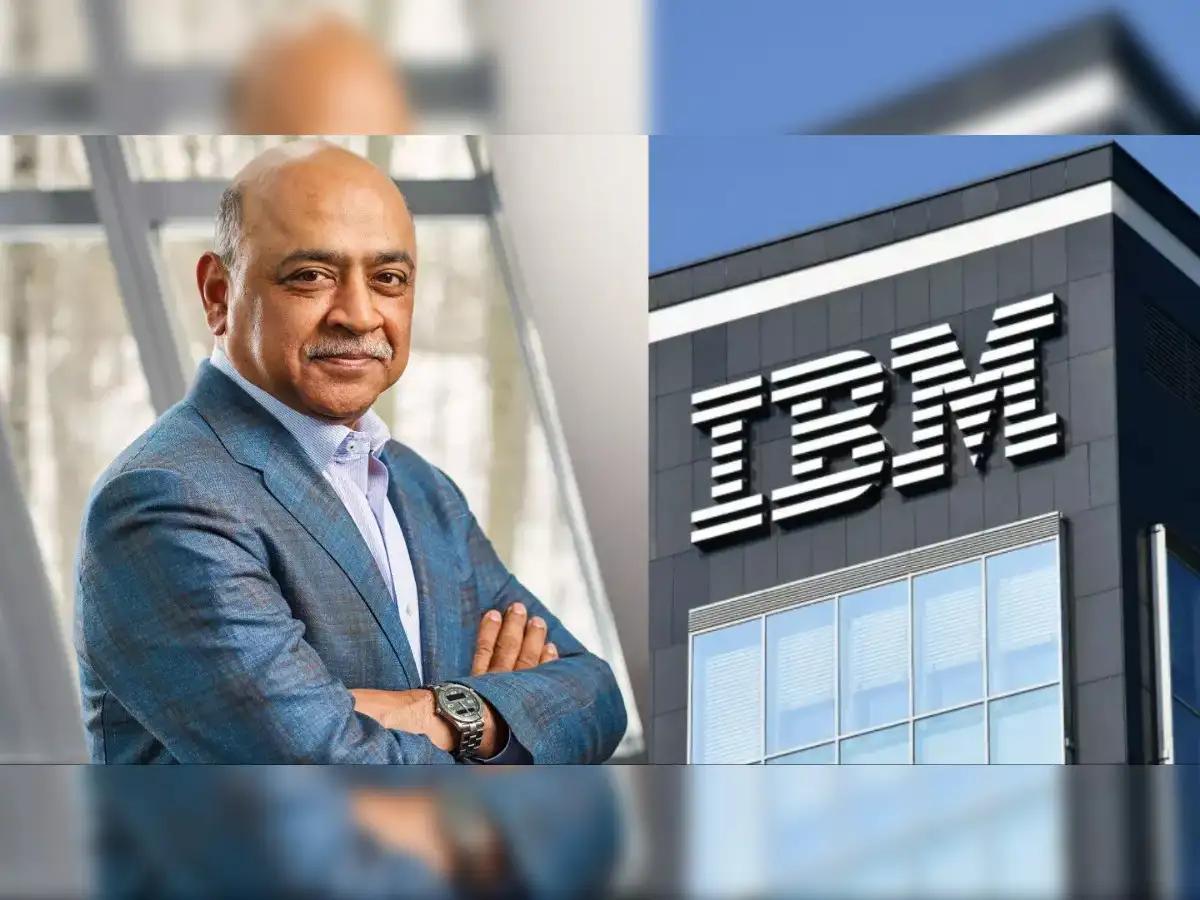
Source: ET
In the same remarks, the chairman and CEO of the technology major warned that AI could displace 10 to 20 percent of jobs over the coming decade
2
1
. He also laid out a plan to put $10 billion into quantum computing worldwide over five years, with part of it earmarked for India2
1
.The quantum bet
The $10 billion is a plan rather than a signed budget, and the India share is unspecified
1
. A quantum computer is to be installed in Amaravati with the Andhra Pradesh government and Tata Consultancy Services, expected in early 20272
1
. At least two more public-private partnerships are under discussion2
1
. Krishna said the company expects quantum work to bring in significant revenue by 2028-29, with uses in materials science, financial services, complex optimisation and weather modelling2
1
.
Source: Analytics Insight
The annual India spend already supports facilities in Kochi, GIFT City, Lucknow and Visakhapatnam, and India develops software, mainframe and data products the company exports worldwide
2
1
. He framed the spending as proof of long-term commitment, saying the outlay is "significant compared to what most other people do"1
.The jobs warning
He named business process outsourcing as the sector likely to see the biggest reduction in roles, though he added that the work "doesn't go to zero"
1
. Displacement, he said, accompanies every such transition, and societies should "face up to that"; businesses and governments need to prepare workers for changing job requirements1
.The warning sits alongside continued hiring. The company has brought in an estimated 5,000 to 10,000 people in India over the past year, recruiting chip designers, software developers, testers, site reliability engineers and AI specialists
2
1
. He offered his own company as evidence the change is manageable, claiming nearly half the code written there is already generated by AI1
. "Programmers will not be writing code. Programmers will be telling AI what to write," he said1
.India's opportunity, and what holds it back
Krishna estimated AI could add around $500 billion to India's economy by the end of the decade
2
1
. That gap is why the $500 billion may not arrive2
1
. Per research from his own company that he cited, more than 90% of Indian enterprises see AI's potential, yet over 75% have made little headway adopting it2
1
. The holdups, Krishna said, are data readiness, skills and a reluctance to redesign business processes2
1
. His advice to India was to speed up AI adoption across businesses and government rather than concentrate on building its own large language models1
. Existing semiconductor and AI initiatives, he added, should scale before new bets1
.Related Stories
Market views
Krishna predicted open models could account for 80% of all AI tokens by decade's end, which may cap the pricing power of large model providers
1
. "If there's an alternative which is much cheaper, then you're capped on your price taking," he said1
. He questioned whether the huge capital commitments by some foundation-model developers would earn adequate returns1
. On markets, he said a correction of roughly 20% in stocks was possible, though he did not expect a substantially larger decline1
. Technology spending, he argued, will keep growing as a share of corporate revenues1
. He also favoured a light-touch approach to AI regulation, arguing existing laws already cover several potential harms1
. And he said the company will increasingly hire skilled workers in the countries where they live rather than sponsoring visas1
.His advice on preparing workers came back to education. "The people who will do the best in the vast majority of companies are those who are the best critical thinkers," he said
1
. India's biometric identity and digital payments systems, he said, show the country can scale technology, and schools should emphasise critical thinking over technical qualifications alone2
1
.References
Summarized by

Navi
[2]
Related Stories
IBM commits $15bn to quantum computing and cybersecurity in massive five-year investment plan
29 May 2026•Business and Economy

IBM CEO Arvind Krishna Unveils AI Strategy: Integrating Agents, Boosting Investment, and Reshaping Workforce
06 May 2025•Business and Economy
IBM Pledges $150 Billion Investment in US Manufacturing and AI Capabilities
29 Apr 2025•Business and Economy
Recent Highlights


Recent Highlights
Today's Top Stories








Don’t drown in AI news. We cut through the noise - filtering, ranking and summarizing the most important AI news, breakthroughs and research daily. Follow topics that matter to you and stay ahead.


