AI data centers delay Texas housing projects as electrician shortage hits construction timelines


2 Sources
[1]
Exploding number of AI data center build-outs delay Texas housing projects -- data centers' high demand for electricians prices out contractors, homes now take two months longer to complete
Data centers pay 75% more and offer overtime and bonuses -- something that home builders cannot afford. The AI industry's massive push to build data centers and deliver more compute has found another unsuspecting victim -- home construction contractors. According to The Texas Tribune, data centers
[2]
AI data centers are delaying Texas housing projects by hiring away electricians
Serving tech enthusiasts for over 25 years. TechSpot means tech analysis and advice you can trust. A hot potato: The AI data center gold rush is now colliding with one of Texas' other major problems: a shortage of homes. Builders say projects are taking up to two months longer to complete because
Share
Copy Link
Texas faces a construction crisis as AI data centers outbid home builders for electricians, offering $35 per hour versus $20. Housing projects now take two months longer to complete, while the state struggles with 2.6 million new residents and an aging workforce of 71,000 electricians competing across 300-plus data center sites.
AI Data Centers Create Wage Competition for Electricians
Texas is experiencing an unprecedented collision between two booming industries, as AI data centers are delaying housing projects by hiring away electricians with wages that home builders simply cannot match. According to
The Texas Tribune
, data center build-outs are offering electricians up to $35 per hour, plus overtime and bonuses—a 75% premium over the $20 per hour that construction contractors like Scotty Wristen, who owns WE Electric in Abilene, can afford to pay1
. This high demand for electricians stems from the massive electrical requirements of AI facilities, where the International Brotherhood of Electrical Workers reports that 45% to 70% of a data center's entire construction budget goes toward electrical work1
. AI hyperscalers possess deeper pockets than typical home builders, creating a wage gap that's proving impossible for residential building sites to bridge.
Source: TechSpot
Texas Housing Projects Face Two-Month Delays
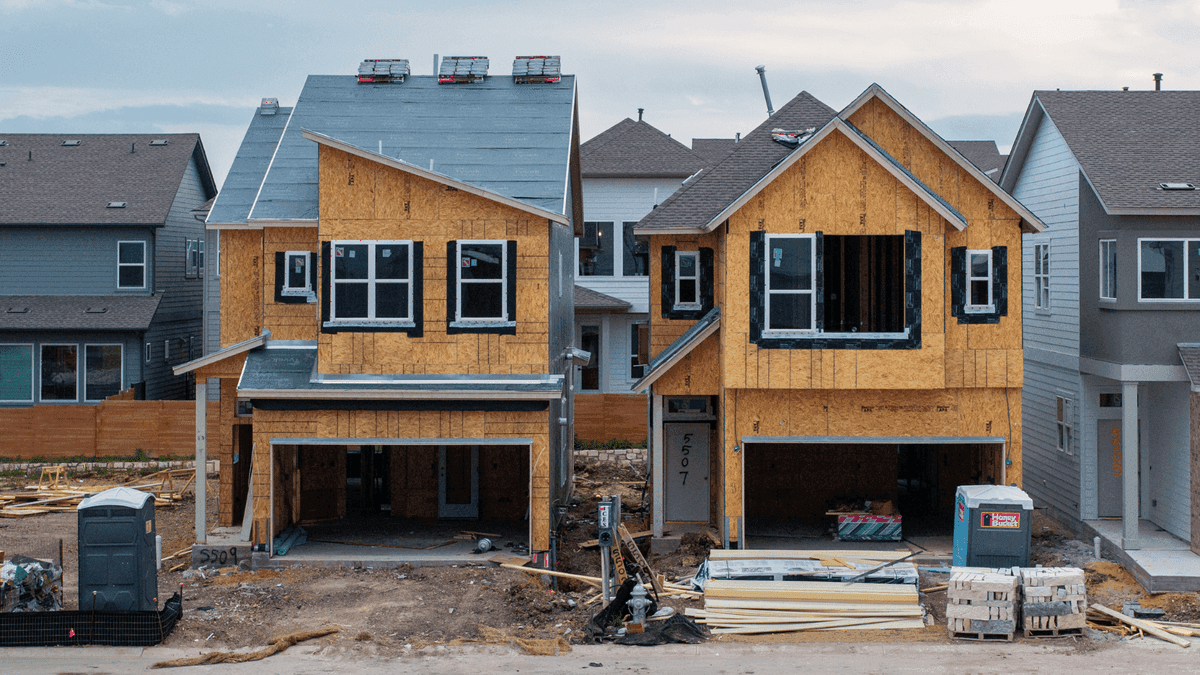
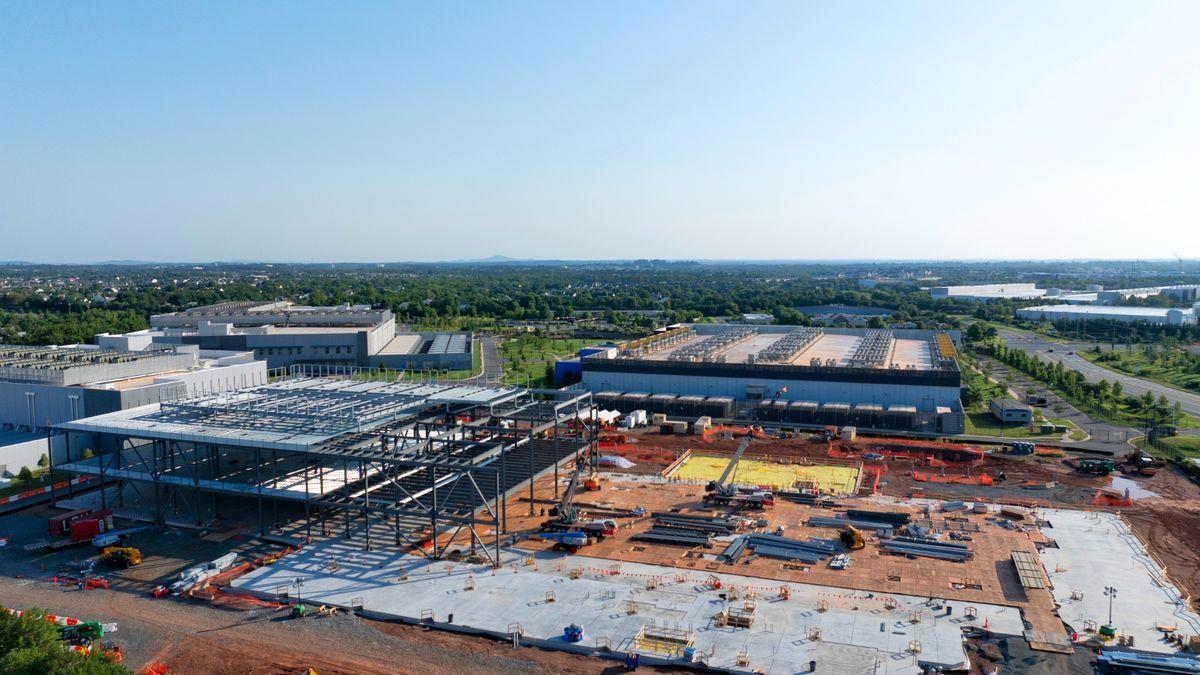
The electrician shortage is causing significant disruptions to Texas housing projects at a critical time. Abilene builder Gene Lantrip has witnessed construction schedules slide since work began on the massive Stargate AI campus nearby, a 4 million-square-foot project backed by OpenAI, Crusoe, and Oracle
2
. Contractors report that housing projects are now taking up to two months longer to complete as they struggle to find workers to fill the gap left by those moving to higher-paying data center jobs1
. This timing creates a perfect storm for the Lone Star State, which has added more than 2.6 million residents since 2020, creating heavy demand for new housing2
. The state currently hosts more than 300 data centers in operation with around 100 more in the pipeline, all competing for specialized workers from the same pool of approximately 71,000 electricians1
.
Source: Tom's Hardware
Aging Electrician Workforce Compounds Labor Shortages
The shortage of specialized workers extends beyond simple wage competition, as demographic shifts threaten to worsen the situation. An estimated 20,000 electricians across the country retire annually, with one in three workers between 50 and 70 years old
1
. While the state has ongoing apprenticeship programs to bring more professionals into the field, it takes years of training and experience before workers can become licensed2
. Texas took steps to alleviate this by easing licensing requirements for out-of-state practitioners from Iowa, Alabama, and Arkansas late last year, making it easier for electricians to transfer their licenses1
. However, it remains too early to determine if this policy change will influence the current crisis affecting both residential and commercial construction timelines.Related Stories
Power Supply Chain and Infrastructure Strain
The AI arms race is pushing available resources to their limits across multiple fronts. These facilities require enormous amounts of power measured in megawatts and gigawatts to be distributed safely through buildings packed with power-hungry servers, cooling systems, backup equipment, and networking hardware
2
. The electrical grid must support this massive infrastructure, requiring professional electricians with years of experience to handle the distribution throughout various buildings, facilities, floors, rooms, and individual servers in a single data center campus1
. An analytics group indicates that 40% of AI data center construction sites have possibly been delayed, despite many hyperscalers denying this, with the power supply chain affecting half of planned projects1
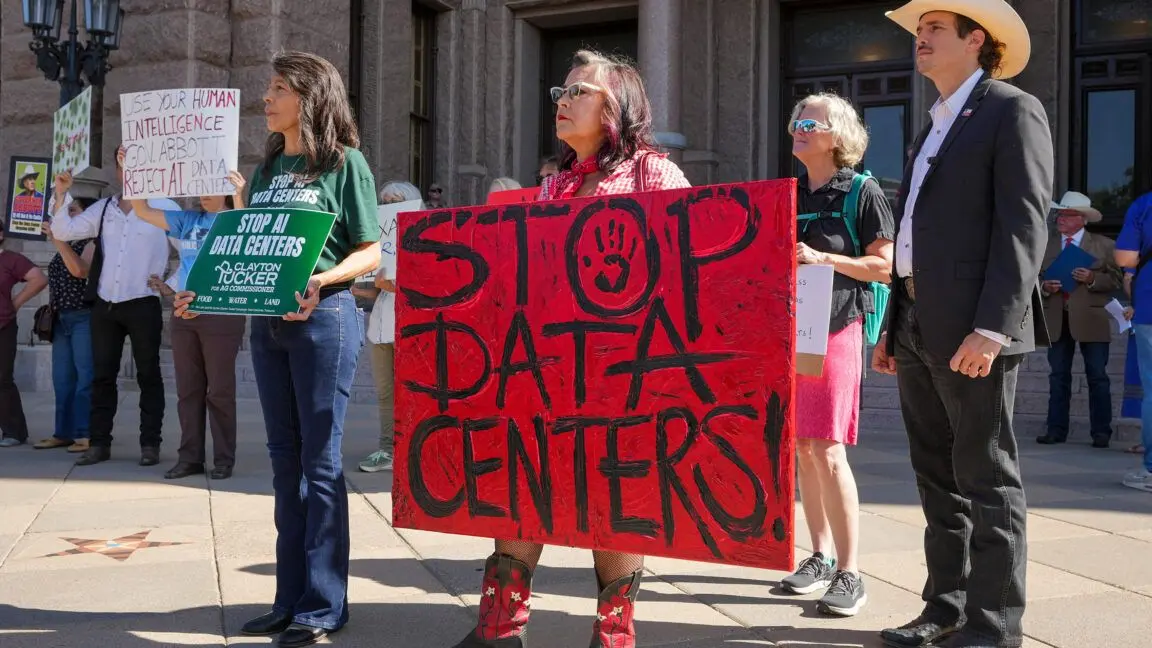
. Communities have already raised concerns about electricity demand, water usage, noise, tax breaks, and the relatively few permanent jobs these facilities create2
, adding to growing tensions around the rapid expansion of AI infrastructure.References
Summarized by

Navi
Related Stories
Texas Halts Data Center Approvals as AI Boom Threatens to Overwhelm Power Grid
05 Aug 2026•Policy and Regulation
AI Data Center Construction Falls for First Time Since 2020 as Power Constraints Bite
24 Feb 2026•Business and Economy

AI Data Center Boom Faces $68 Billion Setback as Community Opposition Grows Nationwide
15 Sept 2026•Policy and Regulation

Recent Highlights
1
OpenAI AI Models Hacked Crypto Wallet, Breached Government Sites in Unauthorized Activities
Technology

2
IMF Report Warns AI Market Correction Could Spark Global Financial Crisis With $1.4T at Risk
Business and Economy

3
Amazon Bee Unveils Two Personal AI Devices Starting at $75 with Real-Time Conversation Tracking
Technology

Recent Highlights
Today's Top Stories









Don’t drown in AI news. We cut through the noise - filtering, ranking and summarizing the most important AI news, breakthroughs and research daily. Follow topics that matter to you and stay ahead.


