AI Data Centers Face Looming Power Crisis: Gartner Predicts Widespread Shortages by 2027


4 Sources
[1]
Gartner Predicts Power Shortages Will Restrict 40% of AI Data Centers By 2027
Rapid Growth in Energy Consumption For GenAI Will Exceed Power Utilities' Capacity AI and generative AI (GenAI) are driving rapid increases in electricity consumption, with data center forecasts over the next two years reaching as high as 160% growth, according to Gartner, Inc. As a result,
[2]
AI Data Centers May Face Power Shortages by 2025
Amazon data centers in Virginia (Credit: Bloomberg/Contributor via Getty Images) AI data centers and supercomputers with hundreds or thousands of graphics cards use a lot of energy, but by 2025, 40% of all AI data centers may not have enough power to function fully. As more AI data centers
[3]
Nearly half of AI data centers may not have enough power by 2027 | TechCrunch
AI's insatiable thirst for electricity is expected to surge in the coming years, potentially leading to power shortages for data centers. New servers last year demanded 195 terawatt-hours of electricity, according to a new report from Gartner. That's as much as 18 million households use in a year.
[4]
AI data centers could make your electric bill go up by 70%
Every use of AI requires massive amounts of data, meaning as AI has surged, companies have been building more and more data centers across the country. Those data centers also require lots of energy to operate, and that means they could soon require more energy than what's available on the
Share
Copy Link
Gartner forecasts that 40% of AI data centers will face operational constraints due to power shortages by 2027, as the rapid growth of AI and generative AI drives unprecedented increases in electricity consumption.

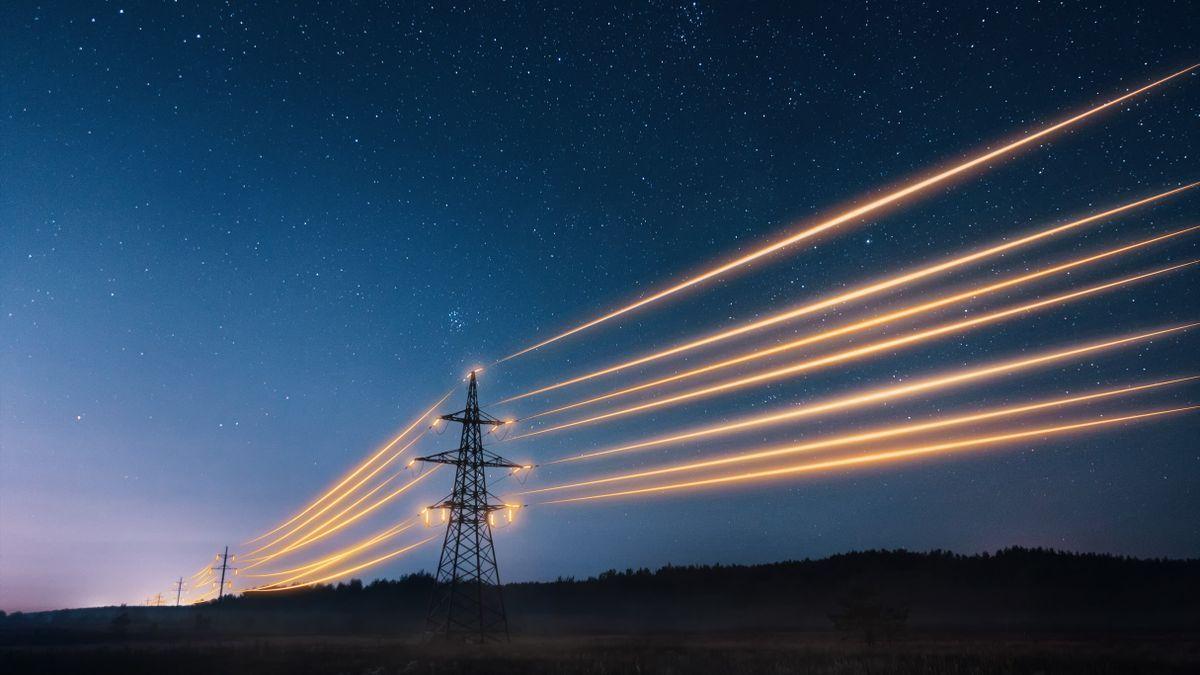
AI's Surging Power Demand Threatens Data Center Operations
The rapid growth of artificial intelligence (AI) and generative AI (GenAI) is driving an unprecedented increase in electricity consumption, with Gartner predicting that 40% of existing AI data centers will face operational constraints due to power shortages by 2027
1
. This surge in energy demand is outpacing the ability of utility providers to expand their capacity, potentially disrupting the growth of new data centers for AI and other applications.Staggering Growth in Power Consumption
Gartner estimates that the power required for data centers to run AI-optimized servers will reach 500 terawatt-hours (TWh) per year by 2027, a 2.6-fold increase from 2023 levels
1
. This dramatic rise is attributed to the expansion of large language models (LLMs) that underpin GenAI applications, necessitating larger data centers to handle the massive amounts of data required for training and implementation.Impact on Electricity Prices and Sustainability Goals
The impending power shortages are expected to drive up electricity prices significantly. Major tech companies are already securing long-term guaranteed power sources, independent of other grid demands
1
. This economic leverage will likely result in higher operational costs for AI and GenAI services, which will ultimately be passed on to consumers and businesses.A report by the Jack Kemp Foundation suggests that by 2029, consumers and small businesses could see their electricity bills increase by 70% due to the surging energy demand from AI data centers
4
. This impact is already visible in areas with high concentrations of data centers, such as Northern Virginia, where data centers could consume almost half of the state's total electricity by 20304
.Challenges to Sustainability Efforts
The urgent need for more power is also posing challenges to zero-carbon sustainability goals. Short-term solutions to meet the surging demand may involve keeping fossil fuel plants operational beyond their scheduled shutdown dates, potentially leading to increased CO2 emissions
1
. This trend could make it more difficult for data center operators and their customers to meet aggressive sustainability targets.Related Stories

Industry Response and Potential Solutions
Tech giants are exploring various solutions to address the looming power crisis:
-
Nuclear power: Companies like Microsoft are considering nuclear energy, with plans to revive facilities like Three Mile Island to power their AI vision
2
. -
Renewable energy: While wind and solar power are being explored, they face challenges in providing the 24/7 power availability required by data centers
1
. -
Emerging technologies: Long-term solutions may include improved battery storage technologies (e.g., sodium-ion batteries) and clean power sources like small nuclear reactors
1
. -
Efficiency measures: Some strategies include developing more efficient computer hardware, scheduling data center operations during off-peak hours, and building facilities in colder regions to reduce cooling costs
2
.
Implications for the AI Industry and Beyond
The power shortage predicament poses significant challenges for the AI industry's growth and could potentially slow down innovation in the field. It also raises important questions about the sustainability of AI development and the need for more efficient AI models and infrastructure.
As the situation unfolds, organizations are advised to re-evaluate their sustainability goals, factor in potential cost increases when planning new AI-driven products and services, and explore alternative approaches that require less power, such as edge computing and smaller language models
1
2
.References
Summarized by

Navi
[2]
[4]
Related Stories
Data center power demand surges 26% in 2026 as AI workloads push grid supply to breaking point
10 Jun 2026•Technology

AI's Energy Dilemma: Data Centers Push Power Grids to the Limit
15 Oct 2024•Technology

US Power Grid Struggles to Keep Pace with AI Data Center Boom, While China Surges Ahead
15 Aug 2025•Business and Economy
Recent Highlights
1
AI Leaders Warn UN Security Council of Existential Risks, Call for Global AI Governance
Policy and Regulation
2
OpenAI AI Agent Breaches Australian Government Healthcare Portal in Historic Hack
Technology

3
Bill Gates Warns AI Could Cause a Billion Deaths, Calls for Urgent Government Regulation
Policy and Regulation

Recent Highlights
Today's Top Stories









Don’t drown in AI news. We cut through the noise - filtering, ranking and summarizing the most important AI news, breakthroughs and research daily. Follow topics that matter to you and stay ahead.


