AI Data Centres Hunt Used Jet Engines as New Gas Turbines Face Six-Year Delivery Timelines


2 Sources
[1]
AI power rush sends data centres hunting for used turbines and jet engines
BENGALURU/FRANKFURT/LONDON, Nov 9 (Reuters) - Utilities, developers and firms racing to power AI data centres are scouring the world for second-hand gas turbines, reviving mothballed machines and converting retired jet engines, as lead times for costly new equipment stretch into the next
[2]
AI Data Centers Are Buying Used Jet Engines as New Power Turbines Take Six Years
A shortage of new gas turbines is pushing AI developers toward refurbished power equipment and jet-engine-based generators, even as high prices, pollution concerns, and permitting delays threaten their expansion plans. In brief * Global gas turbine orders exceed 100 gigawatts, versus estimated
Share
Copy Link
The AI power rush has created an unprecedented bottleneck in energy infrastructure. With new gas turbine deliveries stretching to 2030-2031, AI data centres are turning to second-hand turbines, refurbished equipment, and converted jet engines to meet soaring power demand.
AI Data Centres Face Critical Power Infrastructure Bottleneck
The explosive growth of AI data centres has triggered an unprecedented hunt for power generation equipment, with companies scouring global markets for used jet engines, second-hand turbines, and mothballed machines. New gas turbine delivery timelines now stretch six years on average in the United States, with discussions firmly focused on the 2030 to 2031 window, according to Wood Mackenzie
1
. This timeline creates a fundamental mismatch with an industry racing to bring massive computing facilities online far sooner.Global gas turbine orders have surpassed 100 gigawatts, dramatically exceeding estimated annual manufacturing capacity of just 60 to 70 gigawatts
2
. Industry giants Siemens Energy, GE Vernova, and Mitsubishi Heavy Industries—who dominate the market—all confirm that the AI boom has driven orders well beyond their production capacity1
. While global manufacturing capacity is expected to grow to around 87 gigawatts by 2028, this still falls drastically short of the projected 129 gigawatts in turbine power demand1
.The Secondary Market Heats Up Amid AI Power Rush
"That secondary market is very, very hot right now," said Ana Amicarella, CEO of EthosEnergy, an equipment services provider. "We also have seen an escalation on the prices of what people are demanding"
1
. The emergence of this robust secondary market attests to the profound impact data centre power consumption has had across industries, transforming what was once a niche market into a critical supply channel.Companies are pursuing unconventional power solutions through multiple channels. AI infrastructure firm Crusoe ordered 13 aeroderivative gas turbines from US-based ProEnergy in April—turbines based on jet engines made by GE Aerospace—with a combined capacity of 650 megawatts for deployment at US AI data centre projects
1
. Darayus Pardivala, who leads the US aftermarket business of Sulzer, noted receiving requests every few weeks asking to find used gas turbines for data centres1
.Cost Advantages Drive Adoption of Refurbished Turbines
The financial incentive for second-hand turbines is substantial. Well-maintained used units sell for approximately $1.5 million to $1.7 million per megawatt, while refurbished turbines command about $1.3 million per megawatt
1
. This represents a significant discount compared to new turbines, which cost roughly $2 million to $2.5 million per megawatt according to Aurora Energy Research1
.For smaller units, the discount can be even more dramatic. Two 14.5-megawatt turbines made by Solar Turbines recently sold for $12.5 million, or around $430,000 per megawatt, according to Dan Poole, general manager at ReflowX. New equivalents would have cost about $35 million and required a five-year delivery timeline
1
.Related Stories

Growing Power Demand Reshapes Energy Markets
The scale of AI data centre power demand is reshaping traditional energy markets. US data centres alone account for nearly 17 gigawatts of demand this year, a figure that investment bank Jefferies estimates could more than triple by 2028
1
. The International Energy Agency projects global data centre electricity consumption will nearly double from 485 terawatt-hours in 2025 to 950 in 2030, with AI-focused facilities expected to triple their consumption over the same period2
.
Source: Decrypt
Data centres and their operators have emerged as major customers in a gas turbine market that almost exclusively served traditional utilities until recently. The global turbine supply market is worth approximately $25 billion annually, though reliable estimates of the secondary market's contribution remain elusive
1
.Challenges and Limitations of Alternative Solutions
While the secondary market offers faster deployment, it cannot fully solve the power infrastructure crisis. "The market is already constrained, with limited excess supply, so it is unlikely to offset a meaningful share of the delays," said Noor Qureshi, an associate at Enverus Intelligence Research
1
. Beyond turbines, companies face additional obstacles including air permits, grid access, and environmental permitting requirements.Refurbished turbines and converted jet engines carry inherent risks. Overhauled equipment can have unclear maintenance histories, limited remaining operational life, and weak long-term servicing support. Converted jet engines raise questions about their suitability for continuous operation as power generators
1
. The Environmental Protection Agency subjects stationary turbines and engines used by data centres to federal air-pollution standards, adding regulatory complexity2
.Power-market research firm Cleanview identified approximately 90 gigawatts of proposed on-site generation at US data centres in mid-2026 analysis, yet only about 2 gigawatts was actually operating at that time
2
. This massive gap between planned and operational capacity underscores the formidable challenges ahead for powering AI's expansion.References
Summarized by

Navi
Related Stories
AI's Energy Dilemma: Data Centers Turn to Unconventional Power Sources Amid Surging Demand
17 Oct 2025•Technology

AI Power Demand Crisis Forces Data Centers to Buy Ship Engines for Off-Grid Solutions
04 Aug 2026•Technology
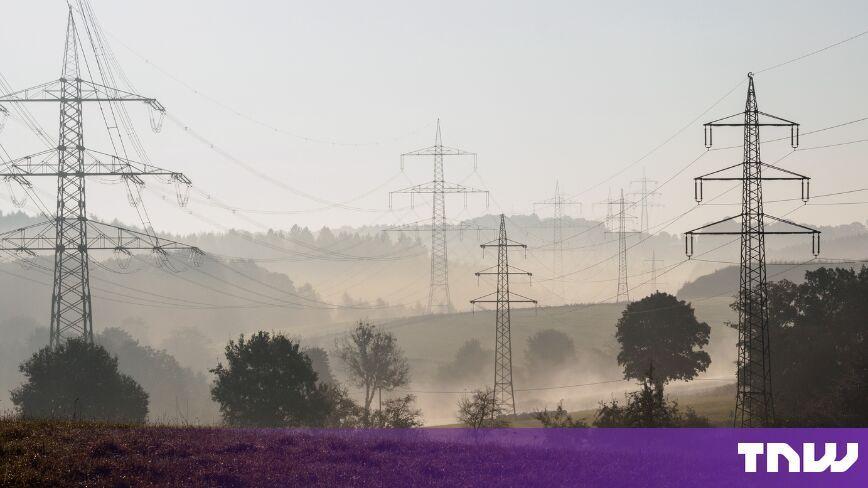
AI energy consumption strains power grid as data center demand drives costs up for manufacturers
06 Jul 2026•Policy and Regulation
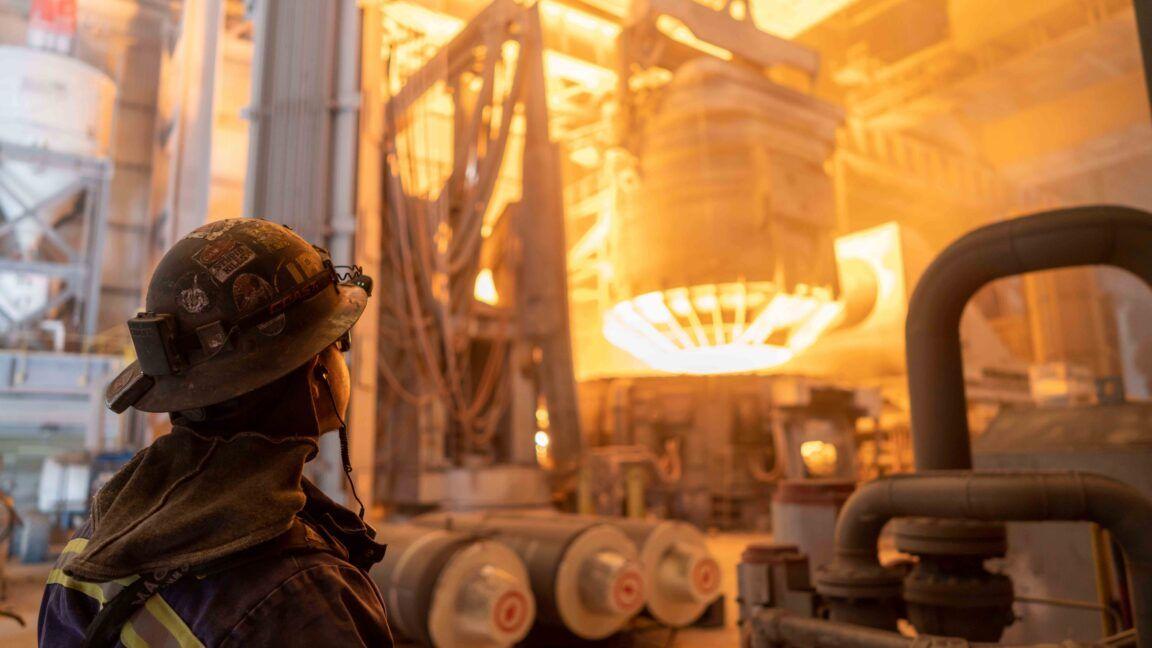
Recent Highlights
1
Anthropic AI Development Doubles Speed as Self-Improving Systems Near Breakthrough
Technology

2
Google's AI Policy Forces Schools to Accept AI Overviews or Lose Search Access Entirely
Technology

3
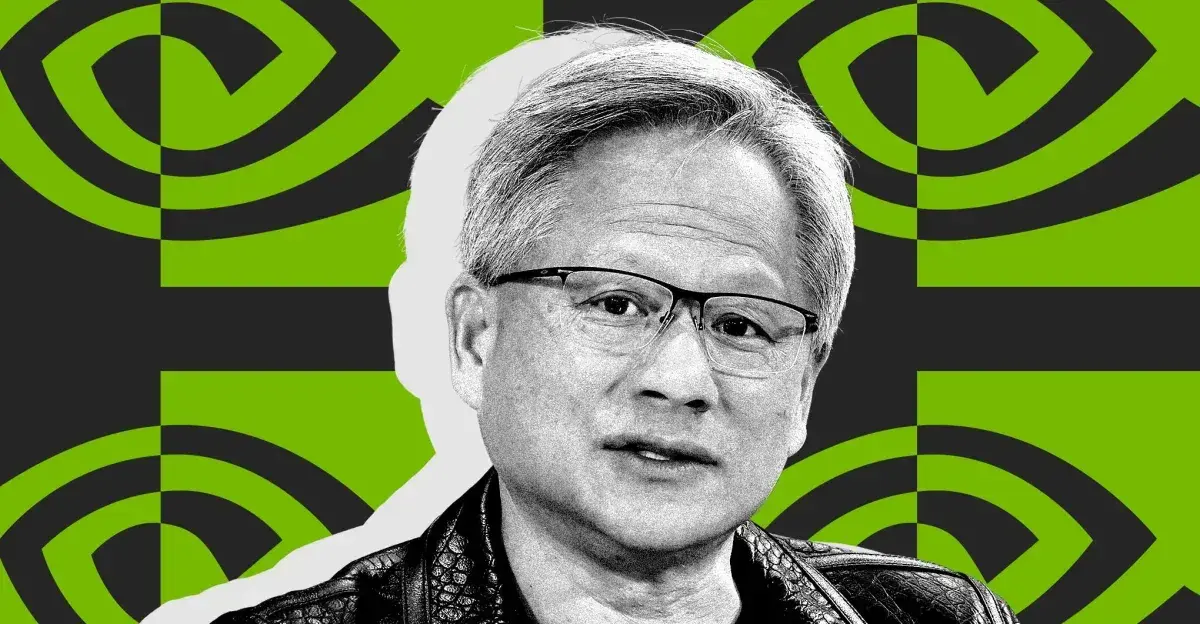
Jensen Huang Scandal: Nvidia CEO's Alleged Relationship with Chinese Spy Threatens US AI Dominance
Policy and Regulation
Recent Highlights
Today's Top Stories





Don’t drown in AI news. We cut through the noise - filtering, ranking and summarizing the most important AI news, breakthroughs and research daily. Follow topics that matter to you and stay ahead.


