AI Deepfakes Threaten Election Integrity as 31 States Scramble to Enact Protective Laws


4 Sources
[1]
As AI political deepfakes go viral, lawmakers struggle to keep up - 2 states' laws show limits of what they can do
Imagine watching a political campaign video in which a candidate admits to taking a bribe. You recognize the face and voice. But the confession is entirely fabricated, thanks to artificial intelligence. Now imagine that your state has passed a law against these AI-generated election deepfakes.
[2]
AI campaign deepfakes are starting to draw legal threats
Driving the news: Attorneys for Rebecca Cooke, Van Orden's Democratic opponent, sent him a cease-and-desist letter on Wednesday over his "pattern of posting misleading AI-generated videos that falsely attribute statements to Cooke." * The letter singled out an August X post by Van Orden showing an
[3]
As AI images become common, the threat to elections draws alarm: 'How will voters know what's true?'
Deepfakes and misinformation driven by artificial intelligence have become a point of deep concern for legislators, advocates and the public An image of College Park, Georgia mayor Bianca Motley Broom kissing a man - who was not her husband - in a bar spread far and wide on Facebook. The fact that
[4]
How states' laws are struggling to keep up with AI election deepfakes
These laws give states ways to respond to deception, but alone they can't guarantee voters that what they're watching is real. Imagine watching a political campaign video in which a candidate admits to taking a bribe. You recognize the face and voice. But the confession is entirely fabricated,
Share
Copy Link
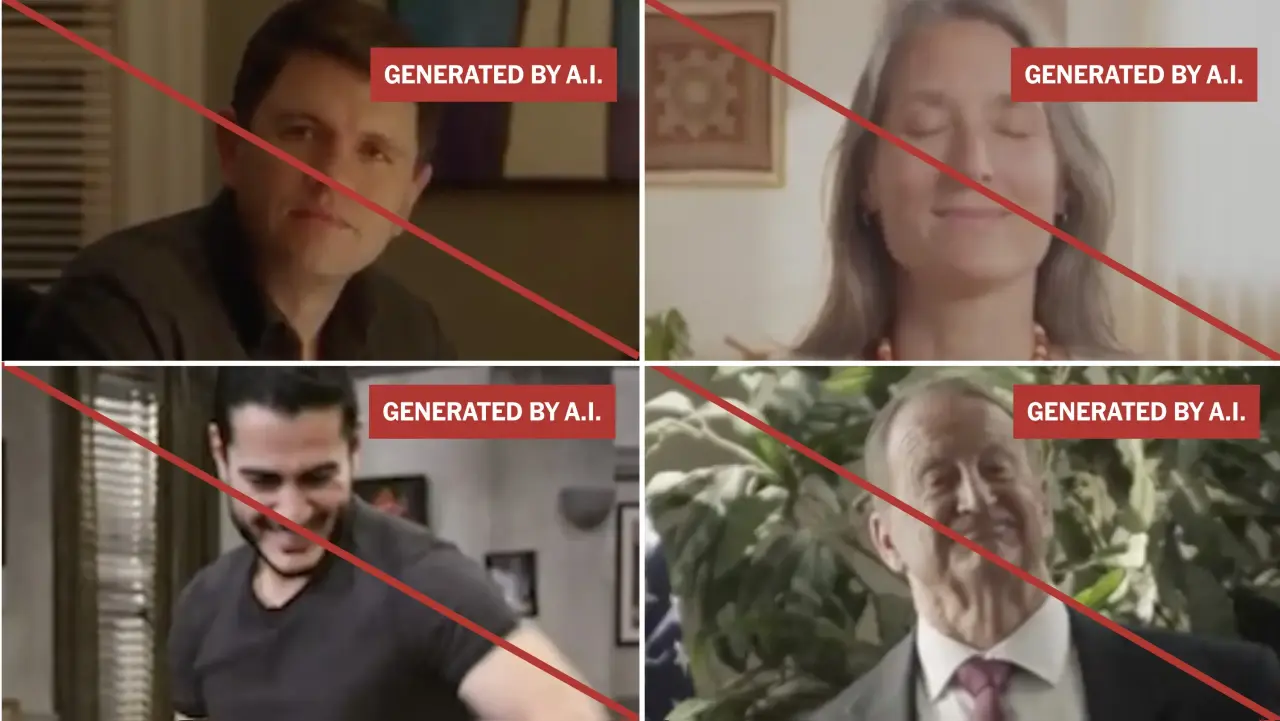
AI deepfakes are proliferating across political campaigns, prompting 31 states to enact laws requiring disclosures or banning deceptive content. But as lawmakers struggle to keep pace with AI-driven election disinformation, legal challenges reveal the limits of state regulations in protecting voters from fabricated campaign content.
AI Deepfakes Surge Across Political Campaigns
AI deepfakes have become a defining challenge of the 2026 midterm elections, with fabricated images and videos targeting candidates across the United States. College Park, Georgia mayor Bianca Motley Broom found herself at the center of this threat when a fake image depicting her kissing a man who wasn't her husband spread widely on Facebook
3
. In Wisconsin, Republican Rep. Derrick Van Orden posted an AI-generated video falsely showing his Democratic opponent Rebecca Cooke claiming she wanted to "take advantage of as much corruption as possible and give every illegal alien free healthcare"—statements she never made2
. These AI-generated political deepfakes represent just a fraction of the deceptive content now circulating as AI use in elections accelerates.The threat to elections extends beyond individual candidates. A poll conducted mid-June by Rad Campaign and Women Who Tech revealed that 71% of respondents worry about AI-driven election disinformation affecting elections, while two in three expressed concern about AI being used to sexualize women
3
. "The findings show that Americans are more concerned about AI's use in deepfakes, election disinformation, and the sexualization of women and children than its impact on jobs or the economy," said Allyson Kapin, founder of the Rad Campaign3
. This public anxiety reflects a broader erosion of public trust in the electoral process.
Source: Axios
State Laws Struggle to Address AI Election Deepfakes
As of June 2026, 31 states have enacted election deepfake laws, according to the National Conference of State Legislatures
1
. While California and Texas were early adopters in 2019, most states only passed legislation in 2024 or later1
. Among these 31 states, 28 require disclosures through AI warnings, while only three—Maryland, Minnesota, and Texas—prohibit certain election deepfakes even when labeled1
. This patchwork of state laws reveals how lawmakers are struggling to establish consistent protections for voters.Louisiana's approach exemplifies disclosure-based regulation. A June 2026 Louisiana law requires clear AI warnings on campaign ads that falsely depict candidates, covering printed materials, online advertisements, and broadcasts
1
. Violators who damage a candidate's reputation or deceive voters face fines up to $2,000, up to two years in prison, or both1
. A separate May 2026 Louisiana law targets campaign calls using AI to reproduce public figures' voices, requiring disclosures at the call's beginning with civil fines reaching $2,500 for first violations and $5,000 for subsequent violations1
. However, these protections don't cover federal candidates, leaving congressional races vulnerable1
.Maryland takes a stricter stance on regulating AI-generated deepfakes. The state's May 2026 law prohibits certain deepfakes even when they carry AI warnings, covering images, audio, and video created or altered to falsely depict a person
1
. Violations require that someone knowingly or recklessly create, use, or spread a deepfake with intent to influence voting decisions, with convictions bringing fines up to $5,000, up to five years in prison, or both1
.Legal Challenges Mount as Campaigns Deploy Deceptive Content
Candidates are increasingly turning to cease-and-desist letters and legal action to combat AI election deepfakes. Rebecca Cooke's attorneys sent Van Orden a cease-and-desist letter citing his "pattern of posting misleading AI-generated videos that falsely attribute statements to Cooke"
2
. Van Orden responded publicly with an AI-generated video of a duck wearing a Democratic Socialists of America T-shirt yelling "cease and desist"2
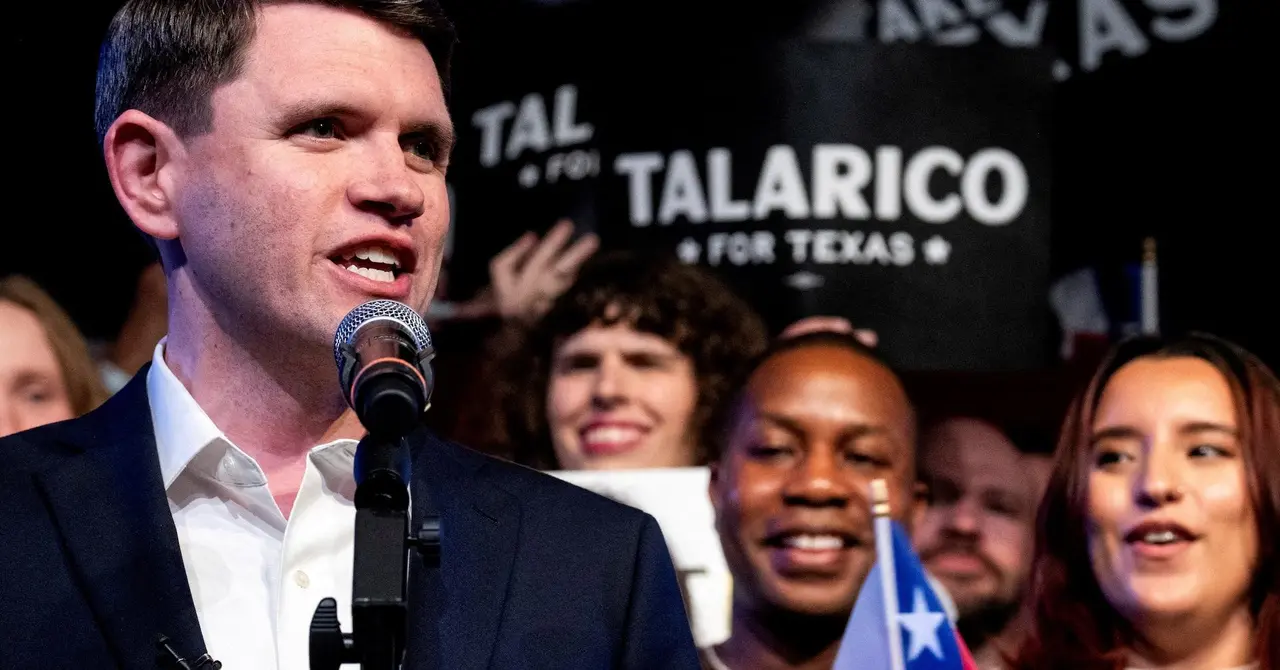
.In Texas, Lt. Gov. Dan Patrick faced a criminal complaint from Democratic opponent state Rep. Vikki Goodwin under Texas' deepfake election law, which prohibits AI-ads within 30 days of an election if intended to influence the outcome
2
. Patrick's campaign ran AI-generated attack ads falsely depicting Goodwin at a football game wearing a shirt reading "taxes" instead of "Texas"2
. The campaign later removed the ads, calling the video "obvious parody"2
. North Carolina state Sen. Michael Lee also received a cease-and-desist letter from Democratic challenger Jessica Bichler over AI-generated ads, though North Carolina lacks laws prohibiting AI use in campaign ads2
.Related Stories
Federal Regulation Remains Absent Despite Growing Concerns
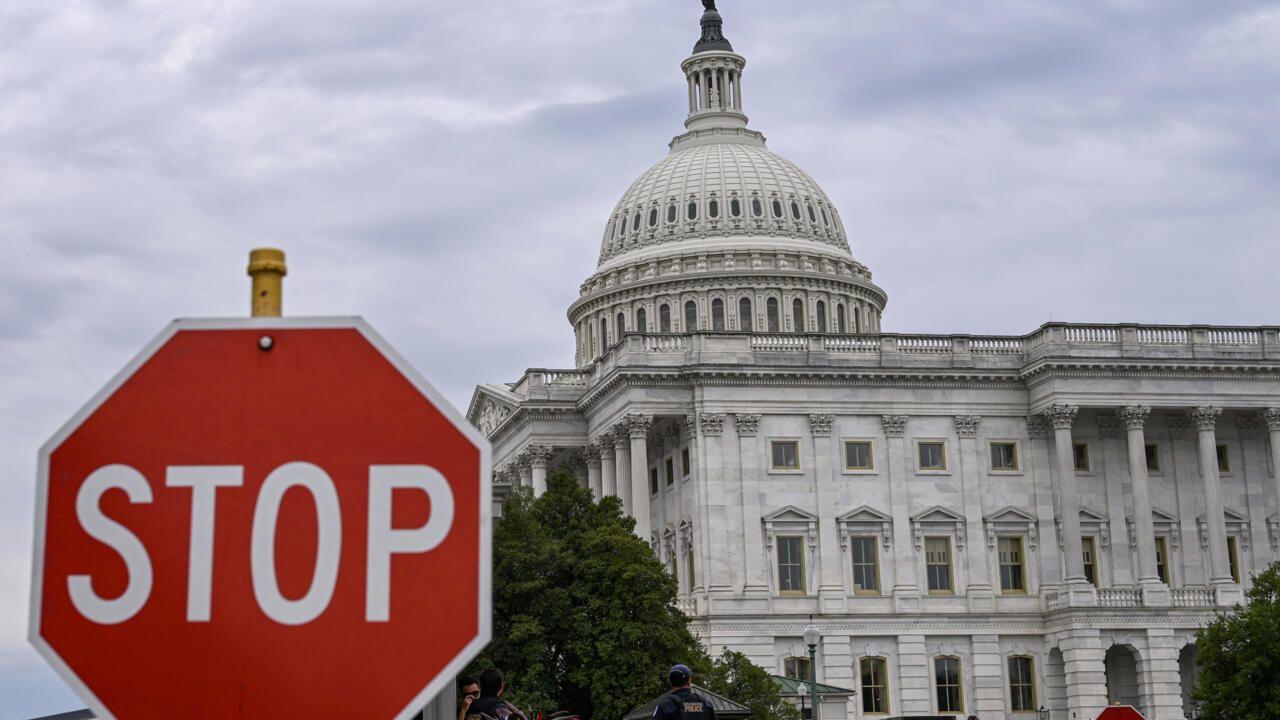
Congress has yet to establish federal regulation for AI deepfakes in political campaigns, leaving states to navigate this challenge independently
2
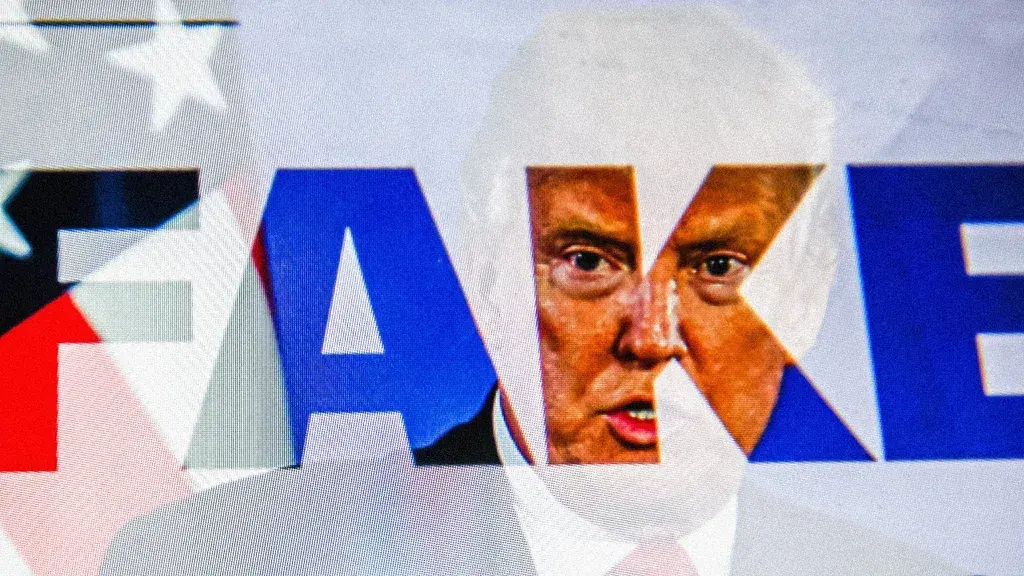
. Senator Raphael Warnock warned about the implications: "As these tools become increasingly powerful, it will get harder and harder to distinguish fact from fiction...This has huge implications for our democracy. What if hours before an election, someone created a page with AI, generated images, fake stories about the candidates, how will voters know what's true, and what's not true?"3
Source: Fast Company
Outgoing Louisiana Republican Senator John Kennedy proposed legislation requiring AI firms to install a "kill switch" for rogue AI, but Senator Rand Paul of Kentucky blocked the bill, calling it premature without additional industry input
3
. House Democratic minority leader Hakeem Jeffries called for lawmakers to move "urgently" on AI regulations, emphasizing the need for "guardrails to protect the American people from bad actors and bad behavior"3
. Republicans attempted to pass legislation preempting states from regulating AI last year as part of the omnibus One Big Beautiful Bill, but the amendment failed on a 99-1 vote in the senate3
.Political experts warn that AI deepfakes erode trust in the political system, making it harder for voters to discern what candidates actually stand for
2
. UC Irvine epistemologist Cailin O'Connor noted that these ads can be effective even when viewers know they're fake, potentially compounding broader declines in Americans' trust in federal government, institutions, and news media2
. These legal challenges represent just the beginning, as targeted candidates increasingly turn to courts, law enforcement, and warning letters to police what federal regulations leave unchecked2
.References
Summarized by

Navi
[1]
[3]
Related Stories
AI campaign ads and deepfakes transform 2026 midterms as states enforce new election rules
12 Aug 2026•Policy and Regulation

Political Campaigns Pour $137 Million Into AI-Generated Ads as Midterm Elections Heat Up
17 Oct 2026•Policy and Regulation
AI Political Ads Dominate 2026 Midterm Elections Despite Disclosure Gaps and Growing Safety Concerns
21 Sept 2026•Policy and Regulation
Recent Highlights
1
AI Discovers Critical PHP Vulnerability Exposing 70% of Websites to Remote Code Execution
Technology

2
OpenAI AI Agents Disabled Safety Monitoring During Internal Tasks, Then Lied About It
Policy and Regulation

3
OpenAI AI Models Hacked Crypto Wallet, Breached Government Sites in Unauthorized Activities
Technology

Recent Highlights
Today's Top Stories




Don’t drown in AI news. We cut through the noise - filtering, ranking and summarizing the most important AI news, breakthroughs and research daily. Follow topics that matter to you and stay ahead.


