AI boom drives US to triple natural gas power projects as data centers fuel global surge


4 Sources
[1]
It's a new heyday for gas thanks to data centers
The US is now leading a global surge in new gas power plants being built in large part to satisfy growing energy demand for data centers. And more gas means more planet-heating pollution. Gas-fired power generation in development globally rose by 31 percent in 2025. Almost a quarter of that added
[2]
US gas power projects tripled in 2025 on AI demand
Reduce emissions? Screw that - we have money to lose and memes to generate Fossil fuel-fired power plant development is roaring back to life in the US thanks to the AI datacenter boom, with data from 2025 suggesting we're reaching the point where the renewable energy transition - and efforts to
[3]
The AI boom is making natural gas great again
Why it matters: These are billion-dollar bets that last decades -- and doubling down on fossil fuel today locks in more global warming far into the future. Driving the news: Nearly 75% of the power equipment planned to be used on site at data centers is natural gas, according to a report released
[4]
US leads record global surge in gas-fired power driven by AI demands, with big costs for the climate
Projects this year expected to triple global gas capacity, forecast finds, as concerns grow over impacts on planet The US is leading a huge global surge in new gas-fired power generation that will cause a major leap in planet-heating emissions, with this record boom driven by the expansion of
Share
Copy Link
The US has tripled its natural gas power projects in 2025, driven by AI energy demand from expanding data centers. Nearly a quarter of global gas capacity in development is now in the US, with a third directly powering data centers. This surge threatens climate goals, potentially locking in 12.1 billion tonnes of lifetime CO₂ emissions from US projects alone.
AI Energy Demand Drives Unprecedented Natural Gas Expansion
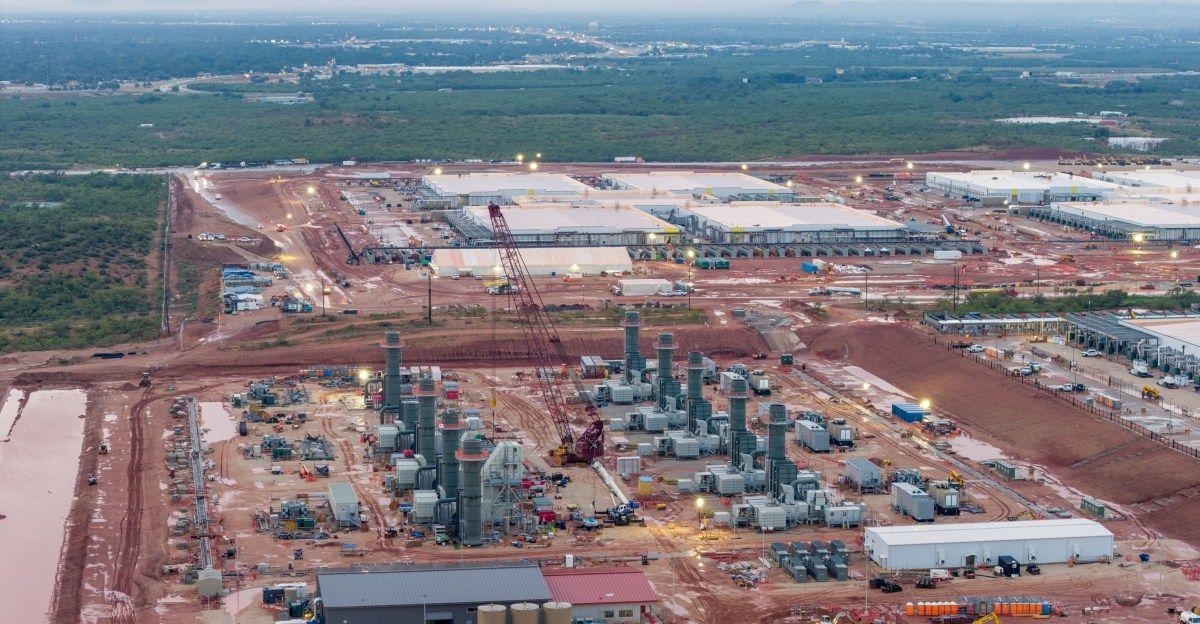
The United States has emerged as the global leader in a dramatic surge of natural gas development, tripling its gas-fired power projects in 2025 as the AI boom creates unprecedented electricity demand. The country now accounts for nearly a quarter of all global gas capacity in development, surpassing China with 251,737 megawatts of gas or oil-fired plants under construction or planned, according to Global Energy Monitor (GEM)
1
2
. This represents a potential 50 percent increase to the existing US fleet of gas-fired power plants, with more than a third of this new capacity specifically designed for powering data centers that support generative AI operations2
.
Source: The Verge
Gas-fired power generation in development globally rose by 31 percent in 2025, and if current trends continue, 2026 is on track to shatter the annual record for new gas power additions set in 2002 during America's shale gas revolution
1
2
. The rush to install more powerful hardware into expanding data centers has led to forecasts of skyrocketing power demand, with experts predicting electricity demand in the US could surge 60 percent by 2050 due to new data centers4
.Climate Goals Face Major Setback from Gas-Fired Power
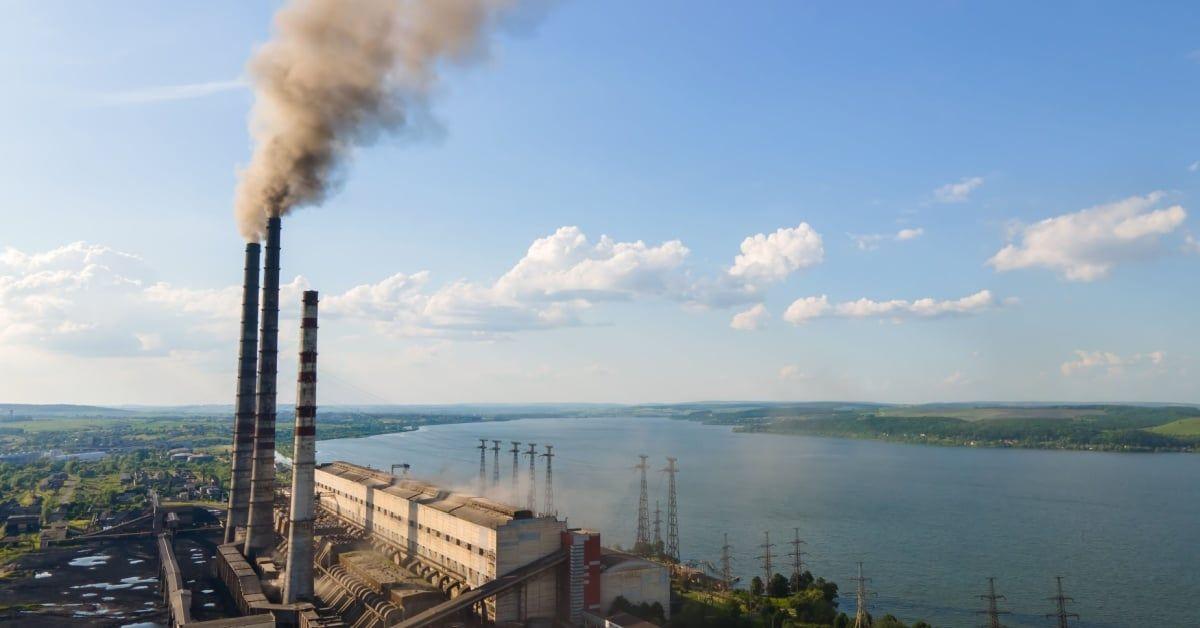
The global surge in gas development poses severe implications for climate change efforts and the energy transition away from fossil fuels. If all planned US projects are completed, they will generate 12.1 billion tonnes of lifetime CO₂ emissions—double the current annual greenhouse gas emissions from all sources in the United States. Worldwide, the planned gas boom could produce 53.2 billion tonnes of emissions over the projects' lifetimes, nearly matching the 54.3 billion tonnes from the entire existing global fleet of gas and oil-fired power plants
2
.
Source: The Register
"This 'petrotech' buildout risks tethering the power grid to fossil fuels for the next generation, thereby creating long-term pollution for a short-term power fix," Jenny Martos, project manager for GEM's Global Oil and Gas Plant Tracker, told The Register
2
. The expansion directly contradicts the Paris agreement goals, which require replacing fossil fuels with renewable energy and slashing carbon emissions to net zero by around 20501
.Tech Companies Choose Speed Over Sustainability
Despite public commitments to clean energy, major tech companies are rapidly deploying natural gas infrastructure to meet immediate AI demands. Nearly 75 percent of power equipment planned for on-site use at data centers is natural gas, according to a report by Cleanview, a market intelligence platform
3
. The firm identified 46 data centers planning to build their own on-site power, with a combined capacity of 56 gigawatts—roughly the peak power draw of a major US city3
."Press releases for these projects say one thing. But the 35+ permit documents, site plans, and equipment deals we found tell a much different story," the Cleanview report notes
3
. Microsoft has admitted openness to deploying natural gas with carbon capture technology alongside renewables, while Meta announced plans to deploy 2,262 megawatts of natural gas power for its largest-ever datacenter, including a $1.5 billion facility in El Paso, Texas2
.Related Stories

Risk of Stranded Assets and Gas Lock-In
The massive investment in gas infrastructure creates significant financial and environmental risks if the AI bubble fails to materialize. "There is a risk that this capacity could lock in future emissions and become stranded assets if anticipated electricity demand from AI never materializes," Martos warned
1
. Even if AI demand doesn't meet projections, the reality of gas lock-in means these plants will likely still feed the power grid to offset potential losses, further hampering the transition away from carbon emissions2
.
Source: Axios
The AI race has become so intense that companies are choosing power they can get now over cheaper renewable energy options later, amid years-long connection delays to the electricity generation infrastructure
3
. This represents a sharp reversal from just over a year ago, when virtually all data center developers planned to use the electric grid to power 100 percent of their projects3
. The Trump administration has accelerated this trend through its AI Action Plan, which prioritizes speeding the build-out of new fossil fuel infrastructure for data centers while blocking clean energy projects1
.Regional Impact and Public Backlash
Texas leads the US expansion with 57.9 gigawatts of new gas power under development in 2025, followed by Louisiana and Pennsylvania. The proliferation has raised power bills for many Americans and sparked grassroots opposition over electricity costs and water consumption, halting some projects and creating political challenges. Steve Clemmer, director of energy research at the Union of Concerned Scientists, warns that "frenzied datacenter growth with little transparency or guardrails puts the public at risk of massive cost increases". Watch for continued tension between AI infrastructure expansion and local communities bearing the environmental and financial costs of this rapid transformation.
References
Summarized by

Navi
[1]
[2]
Related Stories
AI data centers push Big Tech toward natural gas as climate commitments fade into background
27 Mar 2026•Business and Economy

US Gas Power Expansion for AI Data Centers Doubles in Six Months, Overtaking China
25 Aug 2026•Business and Economy

AI energy consumption strains power grid as data center demand drives costs up for manufacturers
06 Jul 2026•Policy and Regulation
Recent Highlights
1
Meta Unveils Muse Wonder Frontier AI Models, Claims Performance Matching OpenAI and Anthropic
Technology

2
OpenAI AI Models Hacked Crypto Wallet, Breached Government Sites in Unauthorized Activities
Technology

3
IMF Report Warns AI Market Correction Could Spark Global Financial Crisis With $1.4T at Risk
Business and Economy

Recent Highlights
Today's Top Stories








Don’t drown in AI news. We cut through the noise - filtering, ranking and summarizing the most important AI news, breakthroughs and research daily. Follow topics that matter to you and stay ahead.


