AI Demand Pushes US Manufacturing to Fastest Growth Since 2021 Despite Supply Chain Strains


4 Sources
[1]
AI-related demand tests U.S. factories' paces
By the numbers: The Institute for Supply Management's manufacturing index rose 1 point, to 55.5, last month -- the 10th straight month of expanding activity following a yearslong slump. * Production accelerated at the fastest pace since November 2021. * Even as S&P Global's manufacturing gauge
[2]
US manufacturing strengthens in October, input prices stay high
US manufacturing activity accelerated in October, with the ISM manufacturing PMI rising to 55.5 from 54.5 in September, beating Reuters-polled economists' expectations. Strong consumer and AI-related business spending supported growth, but factory input prices remained elevated at 75.2, reinforcing
[3]
US manufacturing picks up in October; input prices stay high
US manufacturing activity experienced growth in October due to solid domestic demand and increased business spending in AI. The manufacturing PMI rose to 55.5 from 54.5 in September, indicating ongoing growth in this sector. Domestic demand showed the strongest pace of growth in over five years
[4]
Asia's Factory Activity Buoyed by AI Demand, but Cracks Emerge
Factory-activity gauges across Asian economies were mixed--as strong demand for artificial-intelligence hardware lended support, while shipping bottlenecks and higher energy costs linked to the Middle East conflict weighed on growth. Purchasing managers' index data released by S&P Global on Monday
Share
Copy Link
US manufacturing hit a 55.5 ISM index in October, marking ten straight months of expansion driven by AI-related demand. But the surge comes with steep costs as supply chain disruptions push input prices to 75.2, while semiconductor lead times balloon from four weeks to 50 weeks.
US Manufacturing Hits Decade Highs on AI-Driven Growth
US manufacturing activity surged to its strongest performance in years during October, propelled by insatiable AI demand that's reshaping factory floors nationwide. The Institute for Supply Management's manufacturing index climbed to 55.5 last month from 54.5 in September, exceeding economist expectations and marking the sector's 10th consecutive month of expansion
1
2
. Production accelerated at the fastest pace since November 2021, while S&P Global's manufacturing gauge registered 54.9, signaling the sector's best run since early 20221
. The manufacturing sector resurgence reflects robust consumer spending and unprecedented business spending on AI infrastructure, with domestic demand growing at its strongest pace in over five years during the third quarter3
.Supply Chain Disruptions Test Factory Capacity
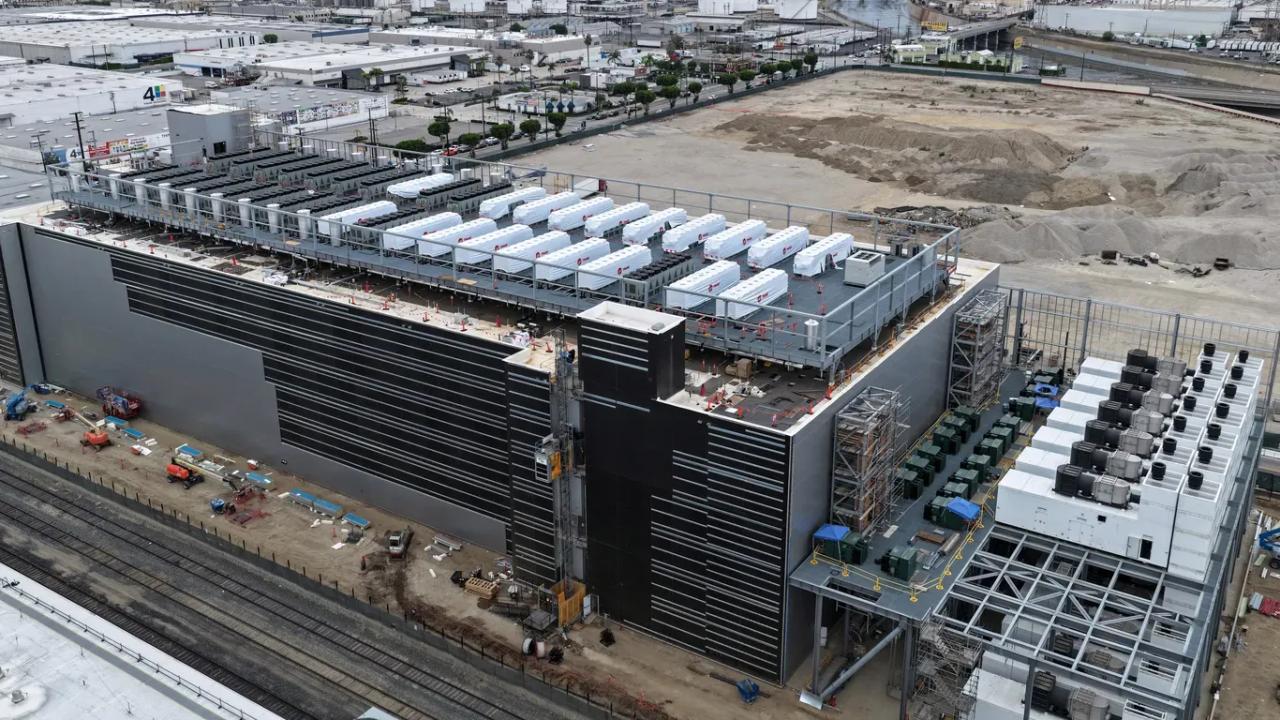
The AI-related demand boom is exposing critical vulnerabilities across supply chain networks. Manufacturers report extraordinary pressure on semiconductors and defense equipment, with one machinery producer describing conditions as "hand to mouth"
1
. Lead times have exploded from four weeks to 50 weeks for some components, reminiscent of COVID-19 era delays1
. Data center demand is creating particular strain, with manufacturers telling ISM that "any commodity consumed by AI/data centers is in a crunch, both for supply and pricing"2
. Supplier delivery times continued lengthening, with the ISM supplier deliveries index edging up to 59.1 from 59.0 in September3
. Twelve industries reported growth, including transportation equipment, electrical equipment, machinery, and computer and electronic products2
.
Source: Axios
High Input Prices and Inflation Concerns Mount
Factory activity gains are coming at steep cost. The ISM prices index registered 75.2 in October, down slightly from 77.9 in September but still signaling widespread increases in raw material costs
1
3
. S&P Global reported that manufacturers' selling prices rose at the sharpest rate in four years, with producers increasingly able to pass higher costs onto customers, particularly for energy-related inputs1
. Chris Williamson, S&P Global chief business economist, noted that "with demand often exceeding supply, producers have been increasingly able to pass higher costs on to customers"1
. One chemical products manufacturer reported costs rising more than 6% this year1
. Higher energy costs stem partly from the ongoing US-Israeli war with Iran, while war-related shipping disruptions compound supply chain challenges1
2
. These persistent inflationary pressures support economist views that inflation will continue running above the Federal Reserve's 2% target into 20273
.Related Stories

Economic Uncertainty Clouds Manufacturing Outlook
Despite strong PMI readings, manufacturer sentiment remains overwhelmingly negative. Susan Spence, chair of the ISM Manufacturing Business Survey Committee, reported that general sentiment deteriorated for the third consecutive month, with 66% of respondent commentary being negative
2
. Economic uncertainty dominates concerns, with manufacturers complaining that "economic policies coming out of Washington continue to weigh on business conditions" and make it "impossible to make sound long-term decisions"2
. Geopolitical tensions, including escalating trade war dynamics with Canada, add additional constraints2
. Transportation equipment makers report customers remain "in a wait-and-see mode" and are "gobsmacked by the high price of equipment when they ask for quotes"2
.Future Growth Hinges on AI Investment Trajectory
Economists caution that rising interest rates and declining inflation-adjusted household income could hamper manufacturing activity next year, particularly in segments not exposed to AI-driven growth. Veronica Clark, economist at Citigroup, warned that "while AI-related investment is expected to remain strong, further shifts in AI sentiment, which has worsened in recent weeks, could weigh on investment plans"
2
. The Federal Reserve maintained its benchmark overnight interest rate in the 3.75%-4.00% range while acknowledging that inflation "remains elevated," with economists expecting the central bank to raise borrowing costs in December3
. Factory employment continued growing, though the pace slowed slightly to 52.4 from 52.7 in September3
. Watch for how semiconductor supply constraints evolve and whether AI investment momentum sustains through tightening financial conditions and potential shifts in technology sector sentiment.References
Summarized by

Navi
[4]
Related Stories
AI Hardware Demand Drives Factory Expansion Across Asia Despite Rising Geopolitical Risks
01 Sept 2026•Business and Economy

AI Demand Powers China Factory Activity as High-Tech Exports Offset Geopolitical Headwinds
30 Jun 2026•Business and Economy
China Factory Activity Returns to Growth in September as AI Boom Fuels Industrial Recovery
30 Sept 2026•Business and Economy

Recent Highlights
1
Anthropic AI Development Doubles Speed as Self-Improving Systems Near Breakthrough
Technology

2
Google's AI Policy Forces Schools to Accept AI Overviews or Lose Search Access Entirely
Technology

3
Nvidia Opens Investigation as Jensen Huang Faces Chinese Spy Allegations Linked to $2B Chip Smuggling
Policy and Regulation

Recent Highlights
Today's Top Stories







Don’t drown in AI news. We cut through the noise - filtering, ranking and summarizing the most important AI news, breakthroughs and research daily. Follow topics that matter to you and stay ahead.


