AI Designs DNA to Control Gene Expression in Healthy Mammalian Cells


3 Sources
[1]
AI-designed DNA controls genes in healthy mammalian cells for first time
A study published today in the journal Cell marks the first reported instance of generative AI designing synthetic molecules that can successfully control gene expression in healthy mammalian cells. Researchers at the Centre for Genomic Regulation (CRG) created an AI tool which dreams up DNA
[2]
AI-designed DNA controls genes in healthy mammalian cells for first time
A study published in the journal Cell marks the first reported instance of generative AI designing synthetic molecules that can successfully control gene expression in healthy mammalian cells. Researchers at the Center for Genomic Regulation (CRG) created an AI tool which dreams up DNA regulatory
[3]
AI-designed DNA controls genes in healthy mammalian cells for first time: Study
A recent study marks the first reported instance of generative AI designing synthetic molecules that can successfully control gene expression in healthy mammalian cells.A recent study marks the first reported instance of generative AI designing synthetic molecules that can successfully control gene
Share
Copy Link
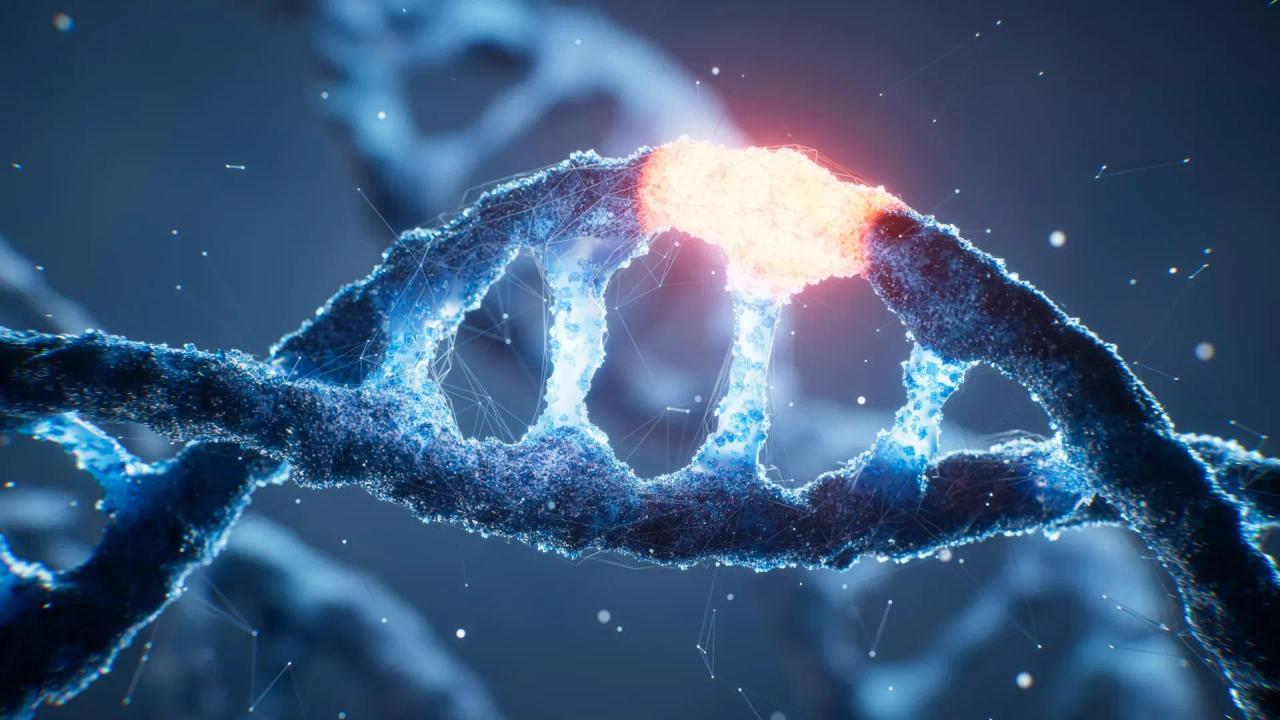
Researchers at the Centre for Genomic Regulation have created an AI tool that can design synthetic DNA fragments to control gene expression in healthy mammalian cells, marking a significant breakthrough in generative biology and potential gene therapies.

AI-Designed DNA Controls Gene Expression in Healthy Cells
In a groundbreaking study published in the journal Cell, researchers at the Centre for Genomic Regulation (CRG) in Barcelona have successfully used generative AI to design synthetic DNA molecules that can control gene expression in healthy mammalian cells
1
2
. This marks the first reported instance of AI-designed DNA fragments effectively regulating genes in living, non-cancerous cells.The AI Model and Its Capabilities
The research team developed an AI tool capable of creating DNA regulatory sequences not found in nature. This model can be instructed to design synthetic DNA fragments with specific criteria, such as activating a gene in certain cell types while leaving it inactive in others
1
. The AI predicts the necessary combination of DNA nucleotides (A, T, C, G) to achieve the desired gene expression patterns in specific cell types2
.Proof-of-Concept Experiment
As a demonstration, the researchers asked the AI to design synthetic DNA fragments that would activate a gene coding for a fluorescent protein in some cells while leaving gene expression patterns unaltered in others
1
2
3
. These AI-generated fragments, approximately 250 nucleotides long, were synthesized and introduced into mouse blood cells. The results matched the AI's predictions exactly, showcasing the model's accuracy and potential1
.Implications for Gene Therapy and Medicine
This breakthrough could revolutionize gene therapy by allowing researchers to boost or suppress gene activity only in specific cells or tissues that require adjustment
1
2
. Dr. Robert Frömel, the study's first author, likened the process to "writing software but for biology," emphasizing the unprecedented accuracy in cellular instruction and behavior control3
.Advancing Generative Biology
The study represents a significant milestone in generative biology. While previous advances in this field have primarily benefited protein design, this new approach addresses the challenge of cell-type-specific gene expression disorders, for which protein-based treatments may be inadequate
1
2
.Related Stories
Creating the AI Model
To develop their AI model, the research team generated vast amounts of biological data through thousands of experiments on blood formation lab models. They created over 64,000 synthetic enhancers – the largest such library in blood cells to date – to test various arrangements and strengths of binding sites for 38 different transcription factors
1
2
.Novel Discoveries in Gene Regulation
The experiments revealed that enhancers can activate genes in one cell type while repressing them in another. The team also discovered "negative synergy," where certain combinations of factors that individually activate a gene can shut it down when occurring together
1
2
.Future Prospects and Limitations
While this study demonstrates the feasibility of AI-designed DNA for gene control, the researchers acknowledge that they have only scratched the surface. Both humans and mice have an estimated 1,600 transcription factors regulating their genomes, indicating vast potential for further exploration and application of this technology
1
2
.This groundbreaking research paves the way for more effective and precise gene therapies, potentially revolutionizing treatment approaches for a wide range of genetic disorders and diseases.
References
Summarized by

Navi
Related Stories
AI Breakthrough: Designing Synthetic DNA Switches for Precise Gene Control
24 Oct 2024•Science and Research

AI Model Predicts Gene Activity in Human Cells, Transforming Biological Research
09 Jan 2025•Science and Research

AI Sheds Light on Gene Regulation: Enhancer Mutations and Their Far-Reaching Effects
19 Jun 2025•Science and Research

Recent Highlights
1
Microsoft and Nvidia Launch Surface Laptop Ultra: A $2,599 AI-Ready PC With RTX Spark Chip
Technology

2
OpenAI Releases 722 AI-Generated Math Papers on GitHub, Igniting Fury Among Mathematicians
Science and Research

3
Trump Consulted Grok AI Before Ordering Venezuela Invasion and Capture of Nicolás Maduro
Policy and Regulation

Recent Highlights
Today's Top Stories












Don’t drown in AI news. We cut through the noise - filtering, ranking and summarizing the most important AI news, breakthroughs and research daily. Follow topics that matter to you and stay ahead.


