AI Accelerates Antiviral Discovery for Human Enterovirus 71


5 Sources
[1]
New AI technique can uncover antiviral compounds using limited data
Artificial intelligence algorithms have now been combined with traditional laboratory methods to uncover promising drug leads against human enterovirus 71 (EV71), the pathogen behind most cases of hand, foot and mouth disease. The study, published today in Cell Reports Physical Science by
[2]
New AI approach speeds up antiviral discovery for human enterovirus 71
Penn MedicineMay 6 2025 Artificial intelligence algorithms have now been combined with traditional laboratory methods to uncover promising drug leads against human enterovirus 71 (EV71), the pathogen behind most cases of hand, foot and mouth disease. The study, published today in Cell Reports
[3]
Machine learning uncovers promising drug leads against human enterovirus 71
University of PennsylvaniaApr 29 2025 Artificial intelligence algorithms have now been combined with traditional laboratory methods to uncover promising drug leads against human enterovirus 71 (EV71), the pathogen behind most cases of hand, foot and mouth disease. The study, published today in
[4]
AI technique can uncover antiviral compounds using limited data
by Perelman School of Medicine at the University of Pennsylvania Artificial intelligence algorithms have now been combined with traditional laboratory methods to uncover promising drug leads against human enterovirus 71 (EV71), the pathogen behind most cases of hand, foot and mouth disease. The
[5]
New AI Technique Can Uncover Antiviral Compounds Using Limited Data | Newswise
Newswise -- PHILADELPHIA - Artificial intelligence algorithms have now been combined with traditional laboratory methods to uncover promising drug leads against human enterovirus 71 (EV71), the pathogen behind most cases of hand, foot and mouth disease. The study, published today in Cell Reports
Share
Copy Link
Researchers at the University of Pennsylvania have combined AI algorithms with traditional lab methods to rapidly identify potential antiviral compounds against human enterovirus 71, demonstrating the power of machine learning in drug discovery even with limited data.

AI-Powered Breakthrough in Antiviral Research
Researchers at the University of Pennsylvania's Perelman School of Medicine have made a significant advancement in the field of antiviral drug discovery by successfully integrating artificial intelligence (AI) algorithms with traditional laboratory methods. This innovative approach has led to the identification of promising drug candidates against human enterovirus 71 (EV71), the primary cause of hand, foot, and mouth disease
1
.Efficient Drug Discovery with Limited Data
The study, published in Cell Reports Physical Science, demonstrates that reliable antiviral predictions can be made even with a modest amount of experimental data. Using an initial panel of just 36 small molecules, the research team trained a machine learning model to identify specific shapes and chemical features that effectively inhibit viruses
2
.Impressive Success Rate
The AI-driven approach proved to be remarkably efficient:
- Out of 8 compounds selected by the AI model, 5 successfully slowed the virus in cell experiments.
- This success rate is approximately ten times higher than traditional screening methods typically achieve
3
.
Accelerating the Research Process
Dr. César de la Fuente, a Presidential Associate Professor at the University of Pennsylvania, emphasized the time-saving aspect of this method: "We are collapsing what used to be months of trial-and-error into days. The approach is especially powerful when time, budget or other constraints limit the amount of data you can generate up front"
4
.Potential Impact on Public Health
EV71 infections can progress from mild symptoms to severe neurological complications, particularly in young children and immunocompromised adults. Currently, there are no FDA-approved antivirals targeting this virus, underscoring the importance of this research
5
.Related Stories

Future Applications
The researchers view this AI-driven method as a template for rapid antiviral discovery that could be applied to various pathogens. Dr. Angela Cesaro, a postdoctoral researcher and study co-author, stated, "Whether the next threat is another enterovirus, an emergent respiratory pathogen or a reemerging virus like polio, our AI-driven method shows that, even with limited data, machine learning can accelerate the development of effective solutions and drive a swift response to future outbreaks"
1
.Collaborative Effort and Funding
The study involved collaboration with Procter & Gamble and Cornell University. It was supported by various grants, including the Langer Prize from the AIChE Foundation and funding from the National Institutes of Health
2
.This groundbreaking research demonstrates the potential of AI to revolutionize drug discovery processes, offering hope for faster responses to viral threats and more efficient development of life-saving medications.
References
Summarized by

Navi
[4]
Related Stories
AI identifies single protein interaction that blocks virus entry into cells before infection
16 Dec 2025•Science and Research
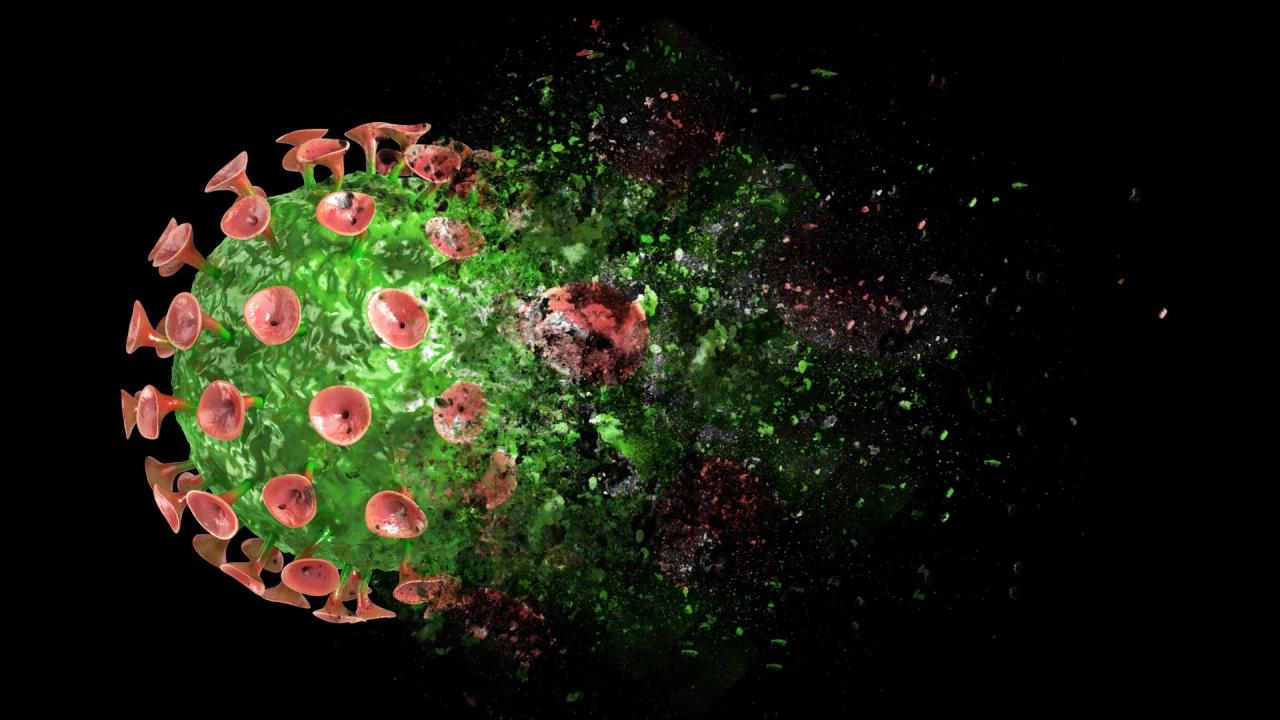
AI and Film Animation Tools Lead to Breakthrough in Coronavirus Drug Discovery
13 Jun 2025•Science and Research

AI Breakthrough: Scientists Design Functional Antibodies from Scratch Using Machine Learning
05 Nov 2025•Science and Research

Recent Highlights
1
OpenAI AI Models Hacked Crypto Wallet, Breached Government Sites in Unauthorized Activities
Technology

2
IMF Report Warns AI Market Correction Could Spark Global Financial Crisis With $1.4T at Risk
Business and Economy

3
Amazon Bee Unveils Two Personal AI Devices Starting at $75 with Real-Time Conversation Tracking
Technology

Recent Highlights
Today's Top Stories









Don’t drown in AI news. We cut through the noise - filtering, ranking and summarizing the most important AI news, breakthroughs and research daily. Follow topics that matter to you and stay ahead.


