AI and Film Animation Tools Lead to Breakthrough in Coronavirus Drug Discovery


2 Sources
[1]
AI and film animation tools lead to breakthrough in coronavirus drug discovery
Wyss Institute for Biologically Inspired Engineering at HarvardJun 13 2025 About 30% of all respiratory tract infections are caused by coronaviruses, leading to widespread illnesses and, in some cases, to epidemic and even pandemic outbreaks, as we experienced with the COVID-19 pandemic. Despite
[2]
Broad-spectrum coronavirus drug developed through AI-enabled dynamic modeling
About 30% of all respiratory tract infections are caused by coronaviruses, leading to widespread illnesses and, in some cases, to epidemic and even pandemic outbreaks, as we experienced with the COVID-19 pandemic. Despite the development of groundbreaking technology that enables the design of
Share
Copy Link
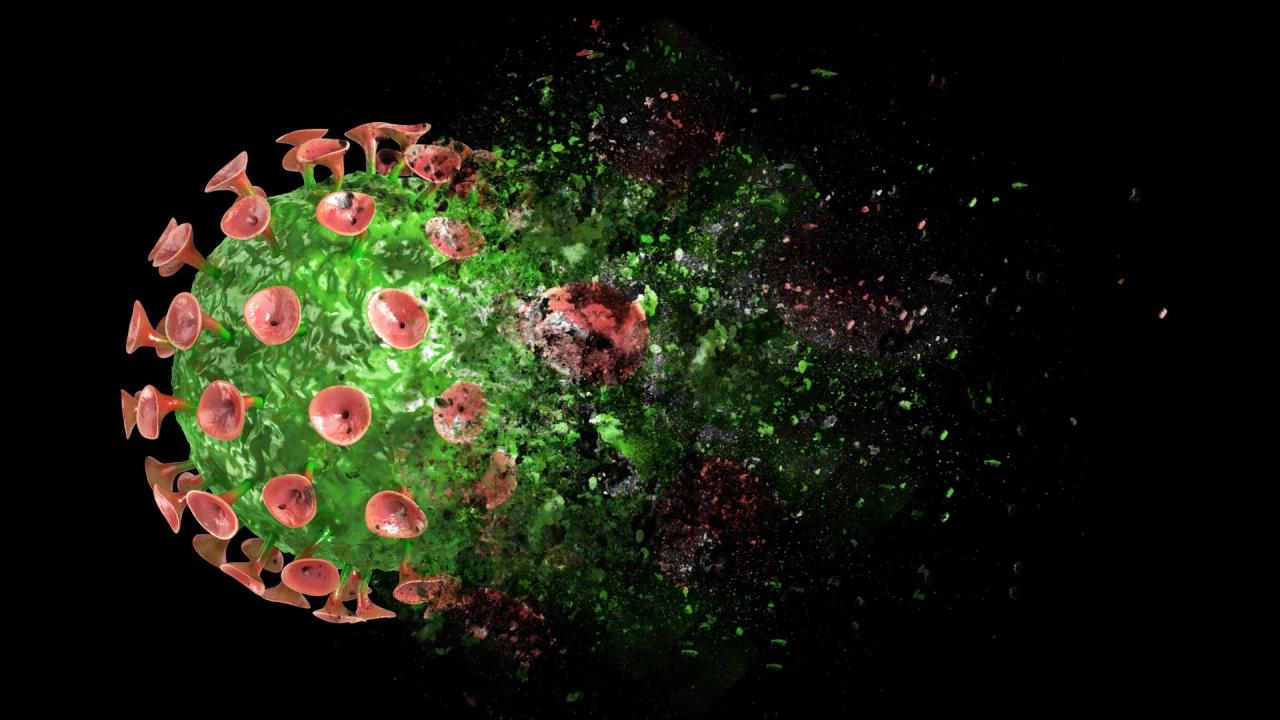
Researchers at Harvard's Wyss Institute use AI and film industry animation software to develop a potential broad-spectrum antiviral drug against coronaviruses, targeting hidden regions of the Spike protein.
AI and Film Animation Tools Revolutionize Coronavirus Drug Discovery
In a groundbreaking development, researchers at the Wyss Institute for Biologically Inspired Engineering at Harvard University have leveraged artificial intelligence (AI) and film industry animation tools to identify a potential broad-spectrum antiviral drug against coronaviruses. This innovative approach, which began in 2020 during the COVID-19 pandemic, has led to the discovery of bemcentinib as a promising candidate for treating coronavirus infections
1
2
.The Need for Broad-Spectrum Antivirals
Coronaviruses are responsible for about 30% of all respiratory tract infections, with some causing epidemic and pandemic outbreaks. Despite the development of vaccines, their unequal global distribution and emerging variants resistant to existing treatments highlight the urgent need for fast-acting, broadly effective antiviral drugs that can be easily distributed as oral treatments
1
2
.Innovative Approach to Drug Discovery
The multidisciplinary team, led by Wyss Founding Director Donald Ingber, M.D., Ph.D., created an AI-enabled and physics-based molecular modeling and drug discovery pipeline. This unique approach incorporated film industry procedural animation software to model the dynamic transformations of the SARS-CoV-2 Spike protein
1
2
.Targeting Hidden Regions of the Spike Protein
Unlike many research groups focusing on the external surfaces of Spike proteins, the Wyss team hypothesized that targeting hidden regions could offer unprecedented benefits. They aimed to identify constant regions that become accessible during a critical time window when the virus prepares for membrane fusion
1
2
.The Power of Molecular Dynamics Simulation
The researchers used a "molecular dynamics simulation" to animate various structural snapshots of the Spike protein captured at different stages of virus binding and fusion. This approach allowed them to generate "synthetic data" and identify regions in the S2 subunit of the protein undergoing large-scale mechanical transitions
1
2
.Related Stories

AI-Enabled Drug Screening
By applying AI methods to their synthetic data, the team pinpointed a specific site within a mechanically active region that revealed itself at a pre-fusion step. This site had the potential to function as a binding pocket for drug compounds that could prevent membrane fusion and viral entry
1
2
.Bemcentinib: A Promising Candidate

Source: News-Medical
The researchers computationally screened approximately 10,000 existing drugs, ranking them according to their predicted binding affinities to the identified pocket. Bemcentinib emerged as the highest-ranking, orally available drug. In AI-enabled simulations and molecular docking studies, bemcentinib remained strongly bound across multiple structural changes, effectively freezing the Spike protein at the pre-fusion stage
1
2
.Experimental Validation
The team demonstrated that bemcentinib potently inhibited SARS-CoV-2 infection of human lung cells expressing the ACE2 receptor by preventing virus entry into the cells. Interestingly, other researchers had also observed bemcentinib's infection-blocking effect, and it had shown improved clinical outcomes in a trial with hospitalized COVID-19 patients
2
.This innovative approach to drug discovery, combining AI, film animation tools, and traditional scientific methods, represents a significant advancement in the fight against coronaviruses and potentially other viral threats.
References
Summarized by

Navi
Related Stories
AI Model EVE-Vax Predicts Viral Mutations to Enhance Future Vaccine Development
09 May 2025•Science and Research

AI identifies single protein interaction that blocks virus entry into cells before infection
16 Dec 2025•Science and Research
AI Accelerates Antiviral Discovery for Human Enterovirus 71
30 Apr 2025•Health

Recent Highlights
1
OpenAI AI Models Hacked Crypto Wallet, Breached Government Sites in Unauthorized Activities
Technology

2
IMF Report Warns AI Market Correction Could Spark Global Financial Crisis With $1.4T at Risk
Business and Economy

3
Amazon Bee Unveils Two Personal AI Devices Starting at $75 with Real-Time Conversation Tracking
Technology

Recent Highlights
Today's Top Stories









Don’t drown in AI news. We cut through the noise - filtering, ranking and summarizing the most important AI news, breakthroughs and research daily. Follow topics that matter to you and stay ahead.


