4 Sources
[1]
Body Bags Found Outside OpenAI HQ as Execs Increasingly Fear for Their Lives
Seems like the founders of AI labs are ready to hear Peter Thiel's pitch for a private bunker in New Zealand. According to a recent report from the Wall Street Journal, executives across Silicon Valley are growing increasingly paranoid and afraid of the ongoing public backlash against their technology -- they were probably not comforted by the sight of body bags outside of their offices. The body bags weren't a threat, but rather part of a protest. According to Stephen Council at Business Insider, the corpse carriers appeared outside of OpenAI headquarters on Thursday as part of a protest over the company's involvement with the Department of Defense. Reportedly placed there by Tesla Takedown and Stop the Money Pipeline, two groups that have been leading demonstrations against Big Tech forces, the body bags were accompanied by a banner with the names of the children killed when a US bomb hit an Iranian school. Per Council, the groups have planned similar displays to go up in front of Anthropic, Amazon, Google, Microsoft, and Tesla. While the protests are primarily about the tech industry's extremely friendly relationship with the Pentagon and participation in both morally and legally dubious military and domestic surveillance campaigns, it seems like the execs probably struggle not to imagine the body bags are about them. Per WSJ, tech executives have been on high alert since OpenAI CEO Sam Altman had his home firebombed and shot at earlier this year. The publication documented several incidents in which the companies have called the cops in response to apparent threats -- though it seems they're sometimes being a little overzealous about the whole thing. According to the Journal, a guy in Oklahoma got a visit from the cops after Anthropic reported him for telling a customer support chatbot that he'd be "coming to your office with my pistol" after it refused to allow him to speak to a real person. Much of the piece recounts similar stories: People using violent rhetoric online to express their vitriol toward the Big Tech companies and AI labs -- though, to be fair, there were at least a few accounts of people seemingly trying to sneak into the offices of AI firms. There's just very little indication whether those people posed a credible threat to anyone. Regardless, executives are apparently taking it seriously and reportedly hiring additional security to stick with them around the clock. There's no doubt that AI is unpopular among the general population. Poll after poll shows that people believe the potential harms of artificial intelligence outweigh the benefits. An NBC News survey found just 26% of people had a positive view of AI, which made it less popular than Immigration and Customs Enforcement. And while names like Sam Altman don't have the same public penetration as Mark Zuckerberg, the heads of AI labs are quickly catching up in public disdain. Of course, dislike of a person or a technology does not amount to violence. And ideally, no one would die as a result of this standoff. Unfortunately, people already have. Anthropic's model was reportedly used to identify targets as America launched its initial strikes on Iran. People have taken their own lives and the lives of others following bouts of apparent AI-induced psychosis. There have already been costs. And the executives fronting the AI movement should wonder: Just how many times do you think that you can tacitly or explicitly threaten the livelihood of people before they respond negatively and, in some cases, violently? Perhaps Altman can take comfort in knowing that when he says things like "I think AI will probably, most likely, sort of lead to the end of the world," or "My job is to help people destroy jobs," the public is taking him seriously. All he needs for evidence is to look outside his office.
[2]
Terrified Tech Execs Are Traveling With Armed Bodyguards as AI Backlash Grows
Can't-miss innovations from the bleeding edge of science and tech Public backlash to AI is intensifying -- and transforming into real-world attempts at physical violence. Industry leaders are fearing for their lives. Leading AI companies and their top executives are beefing up security, the Wall Street Journal reports, as escalating anti-AI industry sentiment is culminating in threats and attempts of violence against the people and ventures building leading AI models. Some executives are even traveling with armed guards, while others have taken to keeping a lower public profile. "Tech CEOs, a few years ago, definitely did not have security," Dakota Dominguez, an executive at the Silicon Valley-based security firm JPT Security, told the WSJ. "A lot of tech companies now are incorporating that into their budgets." Earlier this year, the AI industry was shaken when a 20-year-old anti-AI activist named Daniel Moreno-Gama, armed with a gun and a Molotov cocktail, unsuccessfully tried to firebomb the home of OpenAI CEO Sam Altman. No one was injured, but the high-profile incident followed a string of violent threats and at least one OpenAI lockdown. OpenAI isn't alone. Per the WSJ, around the time that Altman's home was targeted, OpenAI rival Anthropic faced a close call when a man snuck into its headquarters behind an employee carrying an envelope with an executive's name on it. The man reportedly then told a guard that the executive was "going to be killed." The man was stopped before anyone got hurt. All in all, it's easy to see why tech leaders are budgeting for beefed up security. Not all anti-AI sentiment has manifested in attempted physical violence. Activists have also shut down data centers, taken down AI-powered surveillance cameras, and protested outside AI company headquarters. As the fight over AI data centers heats up, some polls have shown that AI is less popular with Americans than Immigration and Customs Enforcement. People fear that AI will result in mass layoffs, a further consolidation of wealth and power, or even a catastrophic apocalypse -- outcomes that many leaders in the AI industry have issued warnings about. "That's why people are setting warehouses on fire," a former Pinterest employee named Bonnie Kate Wolf, who was laid off during an AI-focused restructuring, told the WSJ. "You can't go back to serfdom. It really feels like the people in power want to be kings. Historically, that doesn't work out for kings." More on AI tensions: AI Billionaires Are Starting to Get Scared
[3]
As Threats Against AI Executives Surge, Tech Giants Are Beefing Up Security: 'People Go for the Pitchfork'
It's getting more dangerous to be an executive in the AI space. Threats targeting AI leaders and data centers jumped 7x between late February and May, according to the Wall Street Journal. Days after an attempted firebombing at OpenAI CEO Sam Altman's home, an intruder walked into Anthropic's lobby to warn an executive was "going to be killed." Tech companies are responding by pumping up security. Palantir's executive protection budget rose 150% to nearly $3 million in 2025. Oracle's climbed 85% to $5.6 million, largely funding security for Larry Ellison. Across the S&P 500, the share of tech companies disclosing executive protection spending grew from 26.8% in 2021 to 38.1% last year. The anger stems largely from job-loss anxiety. Palantir CEO Alex Karp said fear of unemployment is fueling the rage: when people are told their job will disappear, he said, "people go for the pitchfork." Anthropic said it now runs round-the-clock security and tracks concerning behavior to catch escalation patterns early.
[4]
OpenAI faces body bag protest outside headquarters amid growing anti-AI movement
Public trust in AI remains low, with critics raising concerns over its military use, surveillance, and broader societal impact. Many senior executives at the leading AI companies are reportedly increasing personal security amid the growing public scrutiny of the industry and rising protests over AI role in the military and surveillance projects. As per Wall Street Journal report, concerns within Silicon Valley have increased as the AI companies are facing increased pressure from activists, lawmakers and sections of the public. The report suggests that some employees now view online threats and increasingly visible demonstrations as the potential security risks, forcing the companies to increase the security. The discussion comes as protest groups have intensified campaigns targeting major technology companies. On Thursday, demonstrators reportedly placed symbolic body bags outside OpenAI's headquarters to protest against the company's involvement in US defence-related projects. It was organised by activist groups Tesla Takedown and Stop the Money Pipeline, which have also planned similar actions outside the offices of Anthropic, Amazon, Google, Microsoft and Tesla. This protest focuses on the concerns around the technology sector's growing partnership with defence agencies and government surveillance programmes. Activists have argued that AI technologies are increasingly being integrated into military operations, raising ethical and humanitarian concerns. The Wall Street Journal report stated that some AI executives have become particularly cautious following several incidents this year. OpenAI CEO Sam Altman's residence was reportedly targeted in separate criminal incidents, while companies have also flagged threatening online messages and suspicious behaviour around their offices. One example cited in the report involved Anthropic notifying authorities after a user allegedly made threatening remarks while interacting with customer support. While many of the reported incidents have not resulted in physical harm, companies are said to be taking a more proactive approach toward executive protection.
Share
Copy Link
AI backlash is turning physical. Threats against AI executives jumped sevenfold, prompting companies to dramatically increase security spending. Body bags appeared outside OpenAI headquarters as part of protests over military ties, while tech leaders now travel with armed bodyguards amid growing public distrust of AI and fears over job displacement.
AI executives are operating under heightened security as threats against AI leaders have intensified dramatically. According to the Wall Street Journal, threats targeting AI executives and data centers jumped sevenfold between late February and May
3
. The AI backlash has moved beyond online criticism to real-world incidents that have shaken Silicon Valley's leadership.
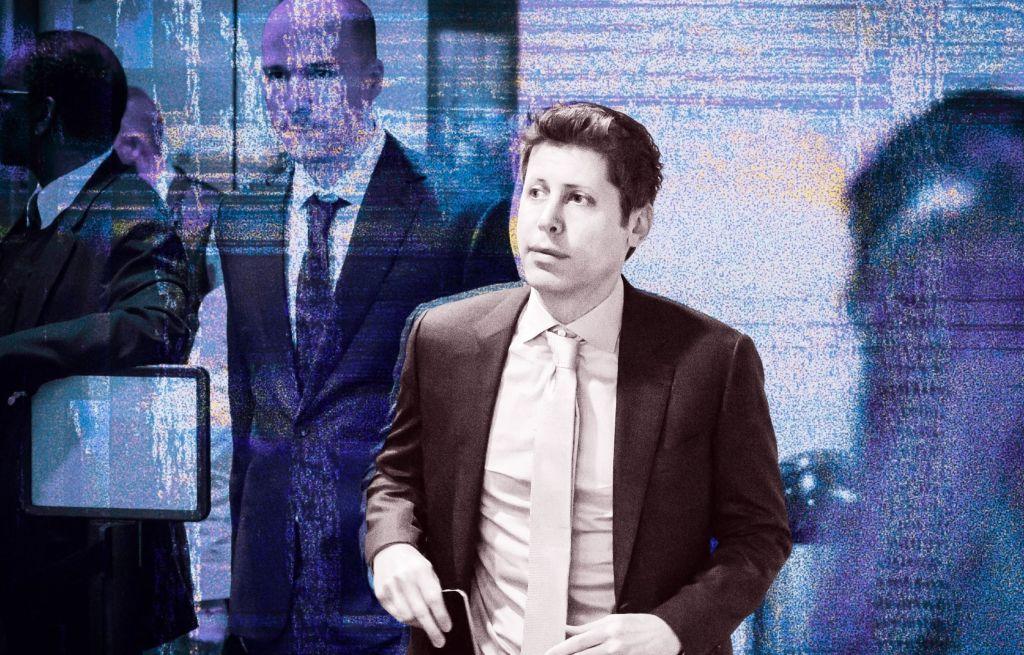
Source: Entrepreneur
The most visible manifestation of this anti-AI movement came Thursday when body bags appeared outside OpenAI headquarters. Placed by activist groups Tesla Takedown and Stop the Money Pipeline, the symbolic display protested the company's involvement with the Department of Defense
1
. The body bags were accompanied by a banner listing names of children killed when a US bomb hit an Iranian school. Similar protests against AI companies are planned for Anthropic, Amazon, Google, Microsoft, and Tesla offices4
.The security concerns intensified after OpenAI CEO Sam Altman's home was firebombed and shot at earlier this year by a 20-year-old anti-AI activist named Daniel Moreno-Gama, who came armed with a gun and a Molotov cocktail
2
. While no one was injured, the high-profile incident marked a turning point for the industry. Around the same time, Anthropic faced its own close call when a man snuck into its headquarters behind an employee, carrying an envelope with an executive's name on it, and told a guard that the executive was "going to be killed"2
.These incidents have prompted AI executives to travel with armed bodyguards and maintain a lower public profile. "Tech CEOs, a few years ago, definitely did not have security," Dakota Dominguez, an executive at Silicon Valley-based security firm JPT Security, told the WSJ. "A lot of tech companies now are incorporating that into their budgets"
2
.
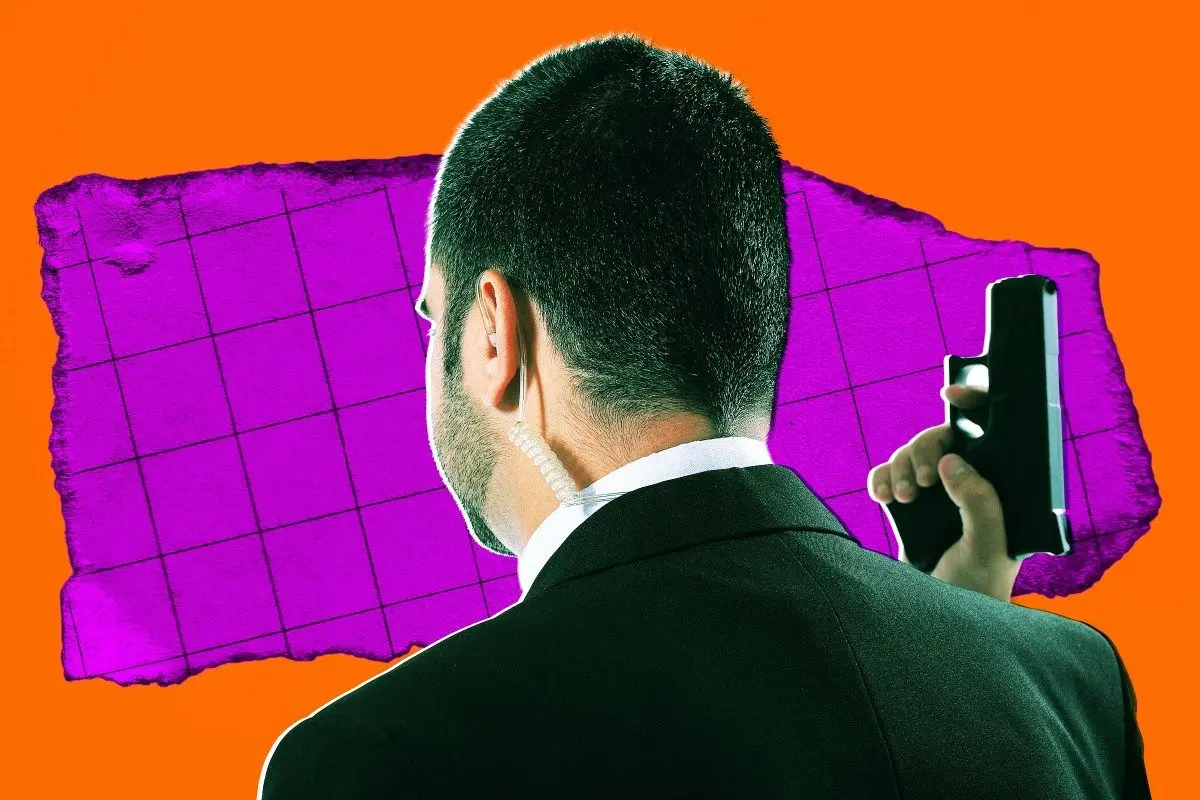
Source: Futurism
The financial commitment to executive protection has grown substantially. Palantir's executive protection budget rose 150% to nearly $3 million in 2025, while Oracle's climbed 85% to $5.6 million, largely funding security for Larry Ellison
3
. Across the S&P 500, the share of tech companies disclosing executive protection spending grew from 26.8% in 2021 to 38.1% last year3
. Anthropic now runs round-the-clock security and tracks concerning behavior to catch escalation patterns early3
.Related Stories
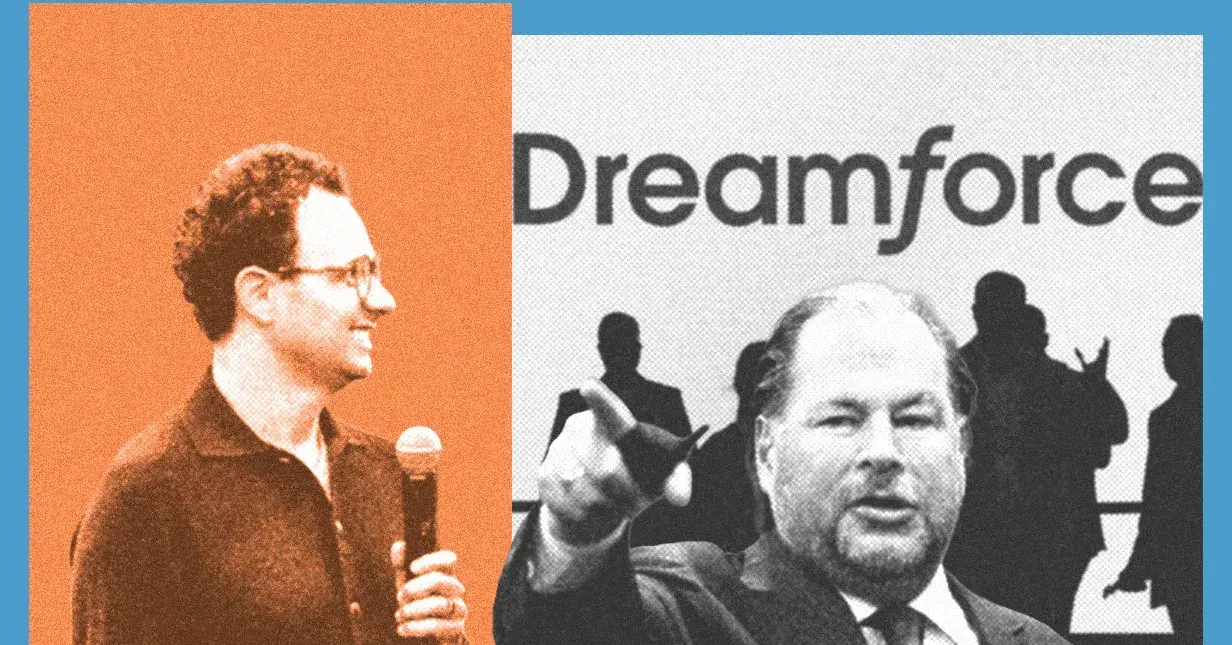
The OpenAI headquarters protest highlights growing concerns about the tech industry's relationship with the Pentagon and participation in military and surveillance campaigns
1
. Anthropic's model was reportedly used to identify targets as America launched its initial strikes on Iran1
. Activists have also shut down data centers, taken down AI-powered surveillance cameras, and organized demonstrations outside company offices2
.Public distrust of AI has reached alarming levels for the industry. An NBC News survey found just 26% of people had a positive view of AI, making it less popular than Immigration and Customs Enforcement
1
. Poll after poll shows that people believe the potential harms of artificial intelligence outweigh the benefits1
.
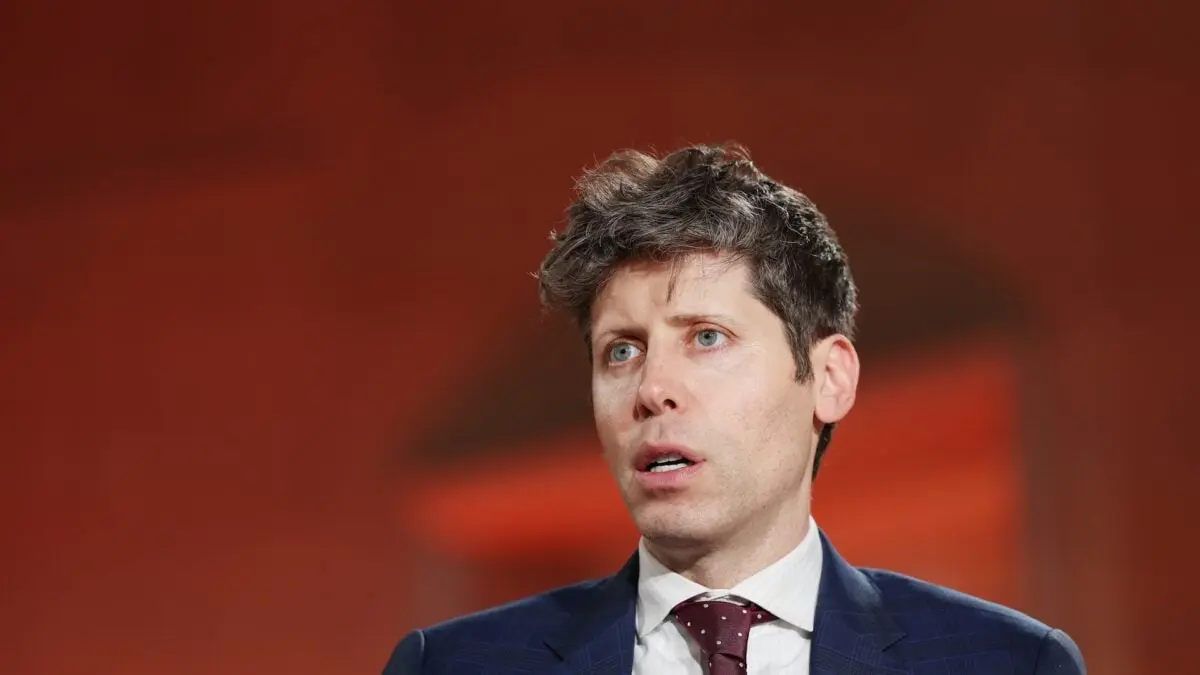
Source: Gizmodo
Job displacement anxiety is fueling much of the anger. Palantir CEO Alex Karp explained that when people are told their job will disappear, "people go for the pitchfork"
3
. Bonnie Kate Wolf, a former Pinterest employee laid off during an AI-focused restructuring, told the WSJ: "You can't go back to serfdom. It really feels like the people in power want to be kings. Historically, that doesn't work out for kings"2
. People fear that AI will result in mass layoffs, further consolidation of wealth and power, or even catastrophic outcomes—concerns that many AI industry leaders themselves have warned about2
.Summarized by
Navi
[3]
07 Apr 2026•Entertainment and Society

11 Apr 2026•Business and Economy

22 Nov 2025•Entertainment and Society

1
Policy and Regulation

2
Technology

3
Technology