AI-Generated Disinformation Escalates Israel-Iran Conflict in Digital Sphere


5 Sources
[1]
Israel-Iran conflict unleashes wave of AI disinformation
Israel launched strikes in Iran on 13 June, leading to several rounds of Iranian missile and drone attacks on Israel. One organisation that analyses open-source imagery described the volume of disinformation online as "astonishing" and accused some "engagement farmers" of seeking to profit from
[2]
How AI Is Has Turned Propaganda Into a Potent Weapon - Decrypt
Both state actors and online partisans are flooding social media with synthetic personas and manipulated content. The wildest clips from Iran's bombing attacks weren't captured by Pentagon cameras or CNN crews. They were cooked up by Google's AI video maker. After Iran's missile barrage against
[3]
AI-generated videos are fueling falsehoods about Iran-Israel conflict, researchers say
Erielle Delzer is a verification producer for CBS News Confirmed. She covers misinformation, AI and social media. Contact Erielle at [email protected]. In recent days, videos generated by artificial intelligence have surfaced online purporting to show dramatic scenes from the Iran-Israel
[4]
Tech-fueled misinformation distorts Iran-Israel fighting
Washington (AFP) - AI deepfakes, video game footage passed off as real combat, and chatbot-generated falsehoods -- such tech-enabled misinformation is distorting the Israel-Iran conflict, fueling a war of narratives across social media. The information warfare unfolding alongside ground combat --
[5]

What is the 'soft war' version of the Israel-Iran war that's escalating tensions?
Tensions between Israel and Iran are high. A digital war is also happening. Fake videos and images are spreading online. These show false scenes of the conflict. Millions have viewed these fabricated clips. Experts say this is the first major conflict with such AI influence. Disinformation spreads
Share
Copy Link
The Israel-Iran conflict has sparked a surge in AI-generated disinformation, with fake videos and images flooding social media platforms, making it increasingly difficult to distinguish fact from fiction in real-time.
AI Disinformation Transforms Digital Battlefield
The ongoing conflict between Israel and Iran has taken an unprecedented turn in the digital realm, with artificial intelligence (AI) playing a pivotal role in shaping public perception. As military tensions escalate, a parallel "soft war" is unfolding online, characterized by a surge in AI-generated disinformation that is blurring the lines between reality and fabrication
1
2
.Scale and Sophistication of AI-Generated Content
The scale of this digital misinformation campaign is staggering. BBC Verify reports that the three most viral fake videos alone have garnered over 100 million views
5
. These AI-generated clips and images, widely shared across platforms like X (formerly Twitter), TikTok, and Instagram, depict dramatic scenes such as Israeli F-35 jets being shot down and missile strikes on Tel Aviv1
4
.
Source: CBS
The sophistication of these fabrications is equally alarming. Experts have traced some of the most convincing visuals to advanced AI video generators, including Google's Veo 3
4
. These tools are capable of producing hyper-realistic footage that can easily deceive viewers unfamiliar with the latest AI capabilities2
.Impact on Public Perception and Information Warfare
The consequences of this AI-driven disinformation campaign are far-reaching. Both sides of the conflict are leveraging these tactics to influence public opinion. Pro-Iranian accounts, such as "Daily Iran Military," have experienced explosive growth, with follower counts nearly doubling in less than a week
1
. Meanwhile, some pro-Israeli sources have been caught recycling old footage to support their narratives5
.Emmanuelle Saliba of Get Real describes this as "the first time we've seen generative AI be used at scale during a conflict"
1
. The rapid spread of these fabrications is further amplified by "engagement farming," where accounts exploit the viral nature of sensational content to gain followers and monetize their reach5
.Related Stories

Challenges in Combating AI Disinformation
The flood of AI-generated content has exposed significant weaknesses in current fact-checking and content moderation systems. Major tech platforms have scaled back their safeguards, reducing reliance on human fact-checkers
3
. This has created an environment where falsehoods can spread rapidly before they can be debunked.Even AI-powered chatbots, which some users turn to for instant fact-checking, have been found to misidentify manipulated visuals as real
4
. This highlights the urgent need for more robust detection tools and improved media literacy among users.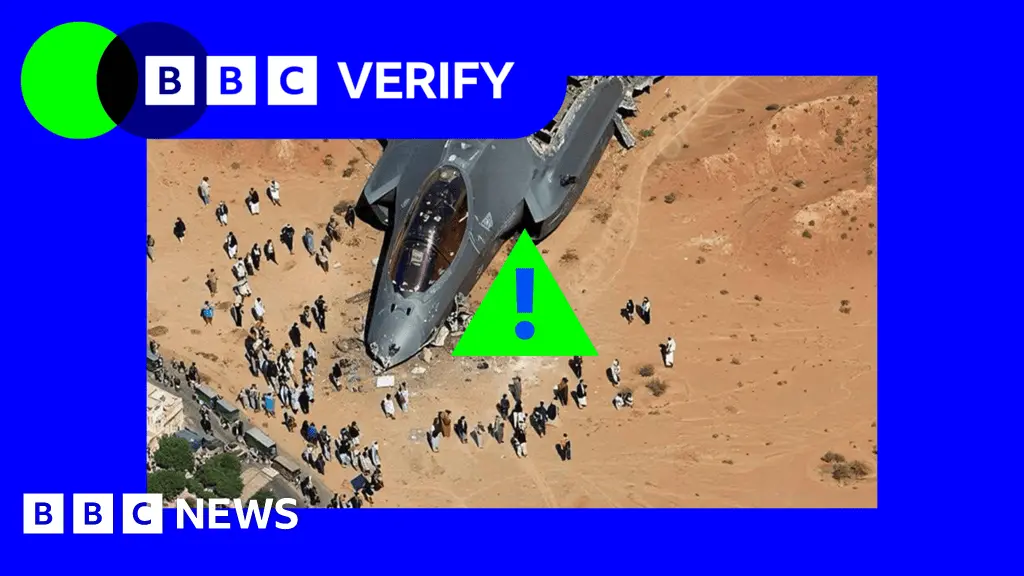
Source: BBC
Broader Implications for Information Integrity
The Israel-Iran conflict serves as a stark warning about the potential for AI to be weaponized in information warfare. Ken Jon Miyachi, founder of BitMindAI, emphasizes that these tools are being leveraged to "manipulate public perception, often amplifying divisive or misleading narratives with unprecedented scale and sophistication"
4
.
Source: Decrypt
As the lines between truth and fabrication become increasingly blurred, there is growing concern about the erosion of trust in digital content. Experts are calling for urgent action to develop better detection tools, enhance media literacy, and increase platform accountability to safeguard the integrity of public discourse in the age of AI
4
5
.References
Summarized by

Navi
Related Stories
Iran War Disinformation Crisis: AI-Generated Content Floods X With Fake Videos and Images
04 Mar 2026•Technology

AI Fakes About Iran War Create Unprecedented Crisis of Reality on Social Media Platforms
14 Mar 2026•Technology

AI manipulation turns Iran protests into battleground for truth as deepfakes gain millions of views
15 Jan 2026•Entertainment and Society

Recent Highlights



Recent Highlights
Today's Top Stories








Don’t drown in AI news. We cut through the noise - filtering, ranking and summarizing the most important AI news, breakthroughs and research daily. Follow topics that matter to you and stay ahead.


