AI manipulation turns Iran protests into battleground for truth as deepfakes gain millions of views


2 Sources
[1]
How Doubt Became a Weapon in Iran
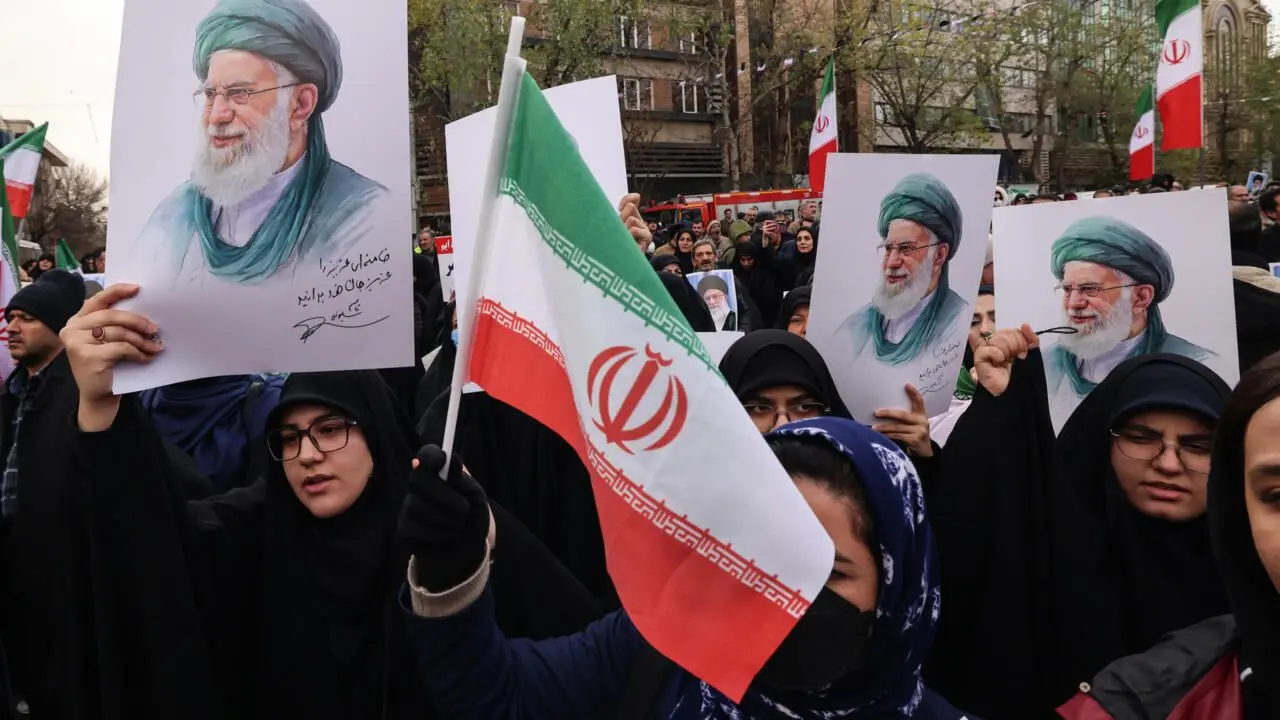
AI manipulation, and the very suspicion of it, serves those who have the most to hide. The protests in Iran are real. The country's economic desperation runs deep, and millions of citizens want to see a corrupt and repressive regime gone. The violent crackdown on the protests is also real and
[2]
AI-created Iran protest videos gain traction
Washington (United States) (AFP) - AI-generated videos purportedly depicting protests in Iran have flooded the web, researchers said Wednesday, as social media users push hyper-realistic deepfakes to fill an information void amid the country's internet restrictions. US disinformation watchdog
Share
Copy Link
AI-generated videos depicting Iran protests have amassed 3.5 million views across social media platforms, creating what experts call a liar's dividend for the regime. Both pro- and anti-government actors are deploying hyper-realistic deepfakes to shape narratives amid internet restrictions, making it difficult to verify what's actually happening on the ground during the largest demonstrations since 1979.
AI-Generated Videos Flood Social Media During Iran Protests
The Iran protests have become a testing ground for how AI manipulation can undermine credibility of real events. US disinformation watchdog NewsGuard identified seven AI-generated videos depicting the Iranian protests that collectively gained approximately 3.5 million views across online platforms
2
. These hyper-realistic deepfakes were created by both pro- and anti-government actors, exploiting an information void in Iran created by severe internet restrictions imposed by the Iranian regime2
.
Source: The Atlantic
Among the fabricated content was a video shared on X showing women protesters smashing a Basij paramilitary vehicle, which garnered nearly 720,000 views from a single post
2
. Anti-regime users on social media also circulated AI videos depicting Iranian protesters symbolically renaming streets after President Donald Trump, with one clip showing a protester changing a street sign to "Trump St" while demonstrators cheered2
. Meanwhile, pro-regime social media users shared AI videos purportedly showing large-scale pro-government counterprotests throughout the Islamic republic2
.
Source: France 24
The Liar's Dividend Benefits the Regime Most
What experts call the liar's dividend has emerged as a powerful weapon for those with the most to hide. This term describes the benefit that accrues to bad actors when they sow public uncertainty about whether anything at all is real
1
. While the protests themselves are genuine—driven by economic desperation and opposition to a corrupt regime—the presence of AI-manipulated content has given the Iranian regime ammunition to dismiss authentic protest imagery entirely1
.A prominent example involved Iran's "tank man" photo, captured on December 29, showing a protester facing down security forces in Tehran. The event was real and verified from multiple angles by fact-checkers, but someone enhanced the still image with AI editing tools to make the blurry original sharper . Regime accounts immediately seized on visible artifacts from AI enhancement to dismiss the photo and other footage. "It's all AI slop," one regime account with a visibly AI-generated profile photo claimed, adding: "Just when you think Zionists can't be more pathetic, they prove you wrong" .
Information Void Fuels Disinformation Campaign
The internet blackout imposed by the Iranian regime as it sought to suppress demonstrations created fertile ground for AI fabrications to distort news events
2
. "There's a lot of news—but no way to get it because of the internet blackout," explained NewsGuard analyst Ines Chomnalez. "Foreign social media users are turning to AI video generators to advance their own narratives about the unfolding chaos"2
.This represents what experts call "hallucinated" visual content on social media during major news events, often overshadowing authentic images and videos
2
. Fact-checkers also uncovered misrepresented images creating misleading narratives about the protests. One months-old video purportedly showing demonstrations in Iran was actually filmed in Greece in November 2025, while another claiming to depict a protester tearing down an Iranian flag was filmed in Nepal during last year's protests2
.Related Stories
Multiple Actors Shape a Complex Information Ecosystem
Iran's information ecosystem has been shaped by extreme distrust of the Islamic Republic's official media, social-media influence efforts from both the regime and foreign powers, and rampant distortions of online content
1
. What's emerging is not a single disinformation campaign but something messier, involving multiple political factions, foreign governments, opposition groups, and the Iranian regime itself competing to shape narratives1
.The Deepfake Rapid Response Force at human-rights organization Witness has been working to help journalists and human-rights defenders assess manipulated media during the crisis
1
. The challenge lies in distinguishing good-faith use of AI editing tools from malicious fakery—a distinction the public generally doesn't know how to make. This allows bad-faith actors to use not only AI itself but also the suspicion it generates as weaponized information1
.The violent crackdown on protests appears to have cost thousands of lives, with rights groups reporting at least 3,428 people dead
2
. Yet the accounts, photos, and videos coming out of Iran are riddled with accusations of AI manipulation that have the effect of calling even what's true into doubt1
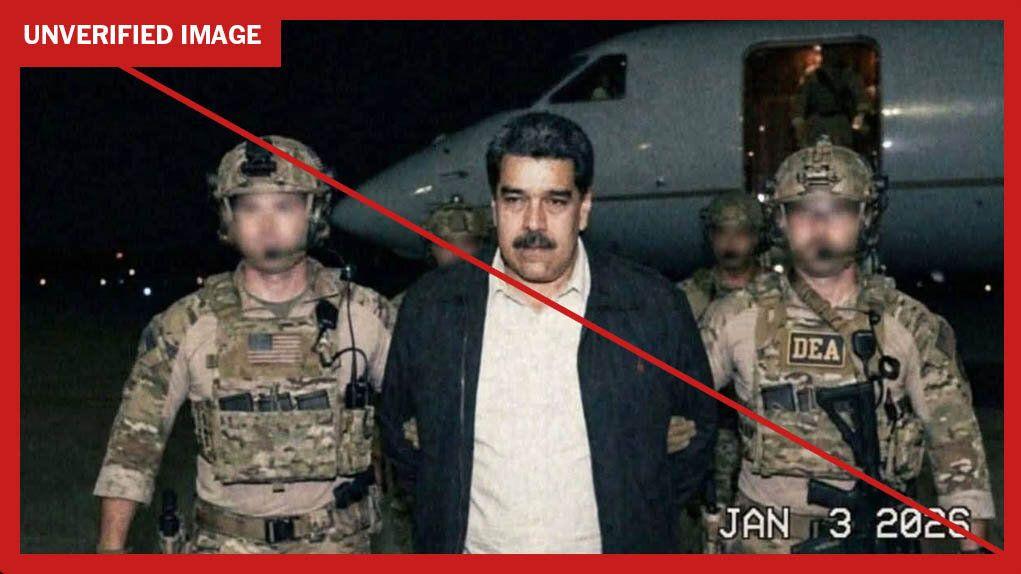
. This pattern extends beyond Iran—AI fabrications have recently fueled alternate realities around news events including the US capture of Venezuelan leader Nicolas Maduro and a deadly shooting by immigration agents in Minneapolis2
. As AI tools become more accessible and advanced, the credibility of human-rights documentation and authentic protest movements faces growing threats from propaganda deployed across all sides of political conflicts.References
Summarized by

Navi
[1]
[2]
Related Stories
AI-Generated Disinformation Escalates Israel-Iran Conflict in Digital Sphere
21 Jun 2025•Technology
Iran War Disinformation Crisis: AI-Generated Content Floods X With Fake Videos and Images
04 Mar 2026•Technology
AI Fakes About Iran War Create Unprecedented Crisis of Reality on Social Media Platforms
14 Mar 2026•Technology

Recent Highlights



Recent Highlights
Today's Top Stories









Don’t drown in AI news. We cut through the noise - filtering, ranking and summarizing the most important AI news, breakthroughs and research daily. Follow topics that matter to you and stay ahead.


