AI-Generated 'Digital Resurrections' Offer Closure to Russian War Widows


4 Sources
[1]
AI lets Russian war widows see their soldier husbands one more time
Moscow's Red Square after sunset in 2019. (Alexander Zemlianichenko/AP) A man in a gleaming silver wedding suit presses his lips softly to his bride's. In the next frame, he is clad in military fatigues, climbing a white, curved stairway through gates into the clouds as he waves goodbye. The
[2]
Grieving Families in Russia Are Paying $30 to Bring Dead Soldiers Back to Life With AI
Generative AI now makes it possible to breathe new life into still photos -- and in Russia, grieving families are paying $30 for this technology to create ghostly videos of soldiers killed in Ukraine. The process is known as 'digital resurrection.' The Washington Post reports that a growing trend
[3]
AI is reuniting the living with the departed for one final farewell
AI-generated videos are one of the most controversial things to come out of the generative AI boom. From copyright violations and disinformation to the digital slop-ification of the internet, there is plenty of reason to be wary of. But it seems there are some slivers of hope, too. In Russia, for
[4]
AI lets Russian war widows see their soldier husbands one more time
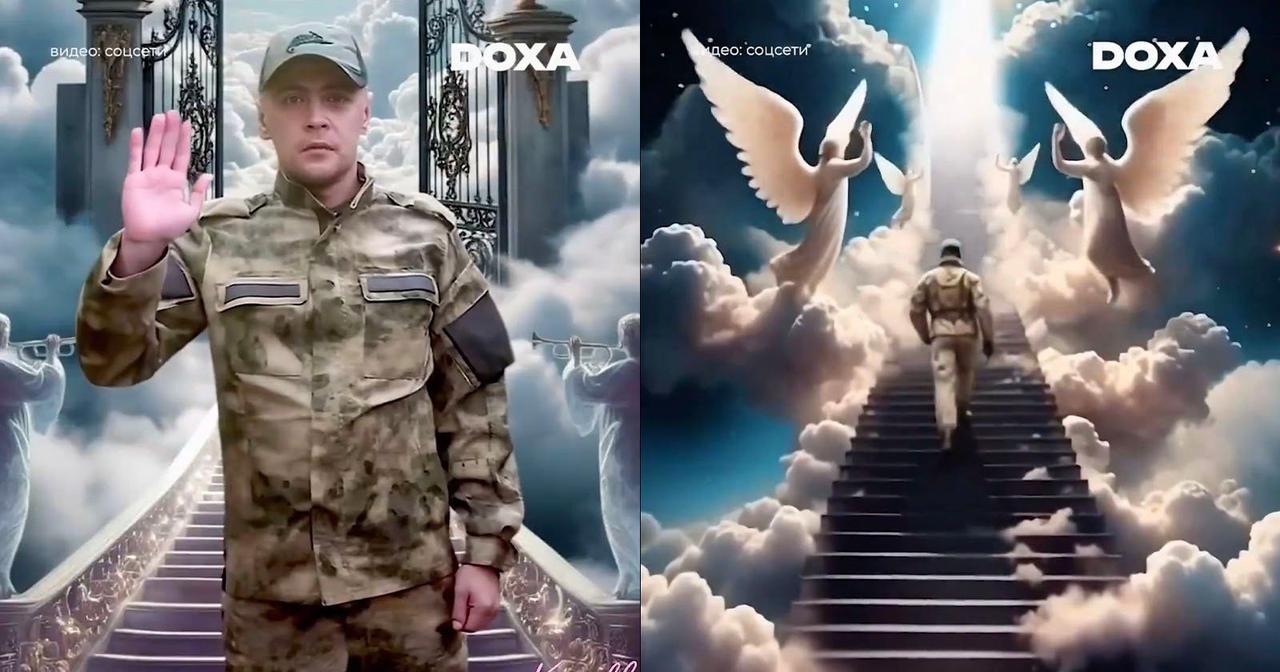
A man in a gleaming silver wedding suit presses his lips softly to his bride's. In the next frame, he is clad in military fatigues, climbing a white, curved stairway through gates into the clouds as he waves goodbye. The video is not real and the man in it is long gone: He was a Russian army
Share
Copy Link
A new trend in Russia uses AI to create farewell videos of deceased soldiers, allowing grieving families to see their loved ones one last time. This practice, known as 'digital resurrection', has gained popularity but also sparked controversy.
The Rise of 'Digital Resurrection' in Russia
In a poignant intersection of grief and technology, a new trend has emerged in Russia: the use of artificial intelligence to create 'digital resurrections' of deceased soldiers. This practice has gained significant traction, particularly among families of soldiers who lost their lives in the ongoing conflict with Ukraine
1
.For a modest fee of around $30, grieving relatives can submit photos of their loved ones to AI editors on platforms like Telegram or VKontakte (Russia's equivalent of Facebook). These editors then generate short, animated video clips that bring the deceased back to life for about 60 seconds
2
.The Process and Its Appeal
The AI-generated videos typically follow a similar pattern: the deceased soldier is often depicted embracing family members or ascending a stairway to heaven, set against a backdrop of clouds and accompanied by emotive Russian ballads. For an additional $30, families can even have the AI simulate the voice of their lost loved one, reciting scripted farewells based on old recordings
1
.
Source: Digital Trends
Anna Korableva, the founder of the popular VKontakte page 'Final Meeting', describes the project as a form of therapy that helps people cope with grief. She receives up to 500 requests per day, highlighting the significant demand for this service
3
.The Impact on Grieving Families
For many families, these AI-generated videos offer a sense of closure, especially in cases where bodies were never returned or proper funerals couldn't be held. Yelena Kirghizova, the widow of a Russian army officer killed in Ukraine, found solace in such a video. She explained, 'For a long time, everything was shrouded in mystery. His body was never returned to us, there was no funeral, no opportunity to say goodbye'
4
.
Source: PetaPixel
Related Stories
Controversy and Ethical Concerns
While many find comfort in these digital farewells, the practice has also sparked controversy. Critics, particularly Ukrainians, view the depiction of Russian soldiers ascending to heaven as a glorification of the war that has claimed countless lives on both sides
1
.The trend raises important ethical questions about the use of AI in the mourning process and the potential psychological impacts of these digital resurrections. Some compare the practice to séances, blurring the lines between technology and the supernatural
2
.Broader Implications and Future Trends
The phenomenon of 'digital resurrection' is not unique to Russia. Similar services are gaining popularity in China, where companies like Silicon Intelligence offer AI-generated animations of deceased or aging family members
3
.As AI technology continues to advance, the creation of 'deadbots' – AI chatbots or digital avatars based on the memories and characteristics of deceased individuals – is becoming a reality. This development has prompted concerns within the scientific community about the potential risks and long-term societal impacts of such technology
3
.References
Summarized by

Navi
[1]
[3]
[4]
Related Stories
South Korean startups create AI-generated videos of deceased loved ones, sparking ethical debate
02 Jul 2026•Entertainment and Society

AI Afterlife: How Digital Grief Tech is Reshaping Mourning
13 Sept 2025•Technology
Reddit Co-Founder's AI-Generated Video of Late Mother Sparks Ethical Debate
24 Jun 2025•Technology

Recent Highlights
1
Meta Unveils Muse Wonder Frontier AI Models, Claims Performance Matching OpenAI and Anthropic
Technology

2
IMF Report Warns AI Market Correction Could Spark Global Financial Crisis With $1.4T at Risk
Business and Economy

3
Eight States Sue OpenAI Over ChatGPT Safety Concerns and Unlawful Collection of Children's Data
Policy and Regulation

Recent Highlights
Today's Top Stories











Don’t drown in AI news. We cut through the noise - filtering, ranking and summarizing the most important AI news, breakthroughs and research daily. Follow topics that matter to you and stay ahead.


