South Korean startups create AI-generated videos of deceased loved ones, sparking ethical debate


3 Sources
[1]
Bereaved South Koreans try AI-generated videos of deceased loved ones
SEOUL, South Korea (AP) -- When he wanted to give a gift to his father who sacrificed much to raise him as a single parent, Lee Geon Hui settled on an unusual idea: an AI-animated video message from his late grandfather, whom his father misses dearly. Lee, 28, wrote a message and hired the
[2]
digital recreations of the dead: Bereaved South Koreans try AI-generated videos of deceased loved ones
Lee, 28, wrote a message and hired the Seoul-based tech company Vaice in December to make a short video clip showing a digital likeness of his grandfather delivering it. The virtual character called his father "my most precious son," and apologized for making him help with farm work when he was a
[3]
Grieving South Koreans seek comfort in AI videos of deceased loved ones
SEOUL, South Korea -- When he wanted to give a gift to his father who sacrificed much to raise him as a single parent, Lee Geon Hui settled on an unusual idea: an AI-animated video message from his late grandfather, whom his father misses dearly. Lee wrote a message and hired the Seoul-based tech
Share
Copy Link
A growing number of South Koreans are using AI-generated videos to recreate deceased loved ones, with startups like Vaice serving 300 customers monthly at $390 per video. While families find comfort in these digital recreations of the dead, experts warn about ethical concerns and psychological harm as the technology advances toward interactive griefbots.

AI-Generated Videos Bring Deceased Loved Ones Back to Life
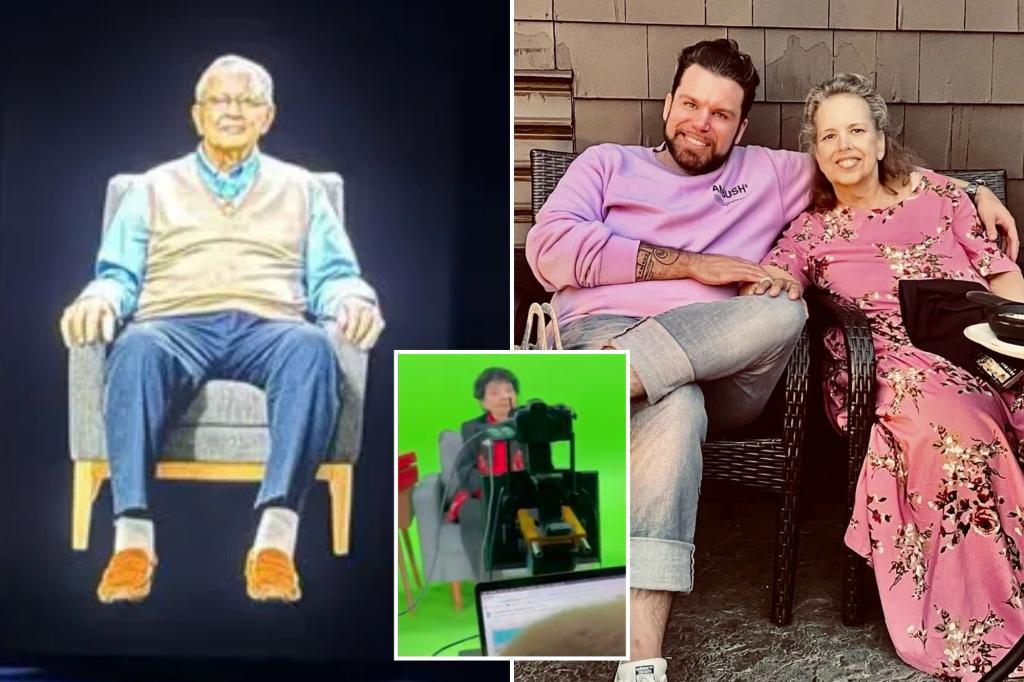
When Lee Geon Hui wanted to honor his father, he commissioned an unusual gift: an AI-generated video of his late grandfather delivering a heartfelt message. The 28-year-old office worker hired Vaice, a Seoul-based tech company, to create a digital likeness of his grandfather, who died in a car accident before Lee was born. The virtual character addressed Lee's father as "my most precious son," apologizing for childhood hardships and offering words of reconciliation
1
. Lee's father initially refused to watch but eventually shed tears, making the gift feel worthwhile.This scenario reflects a broader trend in South Korea, where digitally-savvy residents are experimenting with grief technology that produces video recreations of deceased loved ones
2
. Multiple startups now offer these services, while TV shows feature AI versions of dead pop stars and actors, normalizing the practice across Korean culture.Growing Market for Digital Recreations of the Dead
Vaice CEO Jeongu Won reports his company serves about 300 customers a month, primarily grieving South Koreans in their 40s or 50s seeking AI videos for comfort featuring their late parents
1
. Others request videos of late grandparents as gifts for their own parents. The company requires only a few photos and short voice samples of the deceased to create a likeness, with a basic three-to-five-minute video costing 600,000 won, approximately $3903
.Many customers play these AI-generated videos during memorial rituals or major Korean holidays when family members gather. Clients typically write their own scripts, with most adding "I love you" and some referencing regrets over unresolved conflicts with their late parents
1
. JL Standard, which launched a similar service five years ago, initially faced suspicion from bereaved customers who feared it would reopen their grief, according to company executive Choi Yu Ha2
. However, acceptance of AI's role in addressing grief is spreading rapidly.Ethical Concerns Mount Over Virtual Simulations
While these services offer solace, they raise thorny ethical, psychological and legal questions. "It's a double-edged sword, as it deals with human emotions," said Yong Man Ro, an AI expert at the Korea Advanced Institute of Science and Technology
1
. Observers warn that simulating the dead could put vulnerable people at risk if it blurs the line between reality and the virtual world.Choung Wan, an emeritus professor at Seoul's Kyung Hee University Law School, argues that laws are urgently needed to protect the dignity and rights of the deceased
3
. He advocates for banning the creation of AI-generated versions if the person opposed it before death and establishing clear limits on commercial use of people's images and voices. These legal concerns become more pressing as technological advances now enable replication of wrinkles and skin pores in remarkable detail.Related Stories


Future Risks: Griefbots and Psychological Harm
Experts say ethical issues could intensify as the industry moves toward "griefbots" or "deathbots" that simulate two-way conversations between bereaved people and AI versions of dead loved ones. Startups are already experimenting with such products
2
. "Psychologically, a healthy mourning involves a process to acknowledge the absence of the deceased and pass through the pains of their losses," Choung explained. "But speaking with an AI system simulating a living person could undermine the process of accepting deaths and rather cause a negative effect of leaving bereaved families trapped in a fantasy"1
.Won acknowledges these concerns, stating he remains cautious about launching an AI chatbot service because real-time conversations could not be supervised by company officials and may cause unexpected ethical problems
3
. Despite these reservations, both the technology and acceptance of it are moving quickly, suggesting the mourning process itself may be transformed by AI in ways society has yet to fully comprehend.References
Summarized by

Navi
Related Stories
Recent Highlights
1
Meta Unveils Muse Wonder Frontier AI Models, Claims Performance Matching OpenAI and Anthropic
Technology

2
IMF Report Warns AI Market Correction Could Spark Global Financial Crisis With $1.4T at Risk
Business and Economy

3
Eight States Sue OpenAI Over ChatGPT Safety Concerns and Unlawful Collection of Children's Data
Policy and Regulation

Recent Highlights
Today's Top Stories











Don’t drown in AI news. We cut through the noise - filtering, ranking and summarizing the most important AI news, breakthroughs and research daily. Follow topics that matter to you and stay ahead.


