AI-Guided Patient Stratification Revolutionizes Alzheimer's Drug Trials


2 Sources
[1]
AI-guided patient stratification boosts Alzheimer's trial outcomes and efficiency
University of CambridgeJul 17 2025 Scientists have used an AI model to reassess the results of a completed clinical trial for an Alzheimer's disease drug. They found the drug slowed cognitive decline by 46% in a group of patients with early stage, slow-progressing mild cognitive impairment - a
[2]
AI can accelerate search for more effective Alzheimer's medicines by streamlining clinical trials
Scientists have used an AI model to reassess the results of a completed clinical trial for an Alzheimer's disease drug. They found that the drug slowed cognitive decline by 46% in a group of patients with early-stage, slow-progressing mild cognitive impairment -- a condition that can progress to
Share
Copy Link
Researchers at the University of Cambridge have developed an AI model that significantly improves the efficiency and outcomes of Alzheimer's drug trials by accurately predicting disease progression and stratifying patients.
AI Model Revolutionizes Alzheimer's Drug Trials
Researchers at the University of Cambridge have developed a groundbreaking AI model that could transform the landscape of Alzheimer's disease drug trials. The model, which predicts disease progression with unprecedented accuracy, has demonstrated its potential to significantly improve trial outcomes and efficiency
1
.Improved Patient Stratification
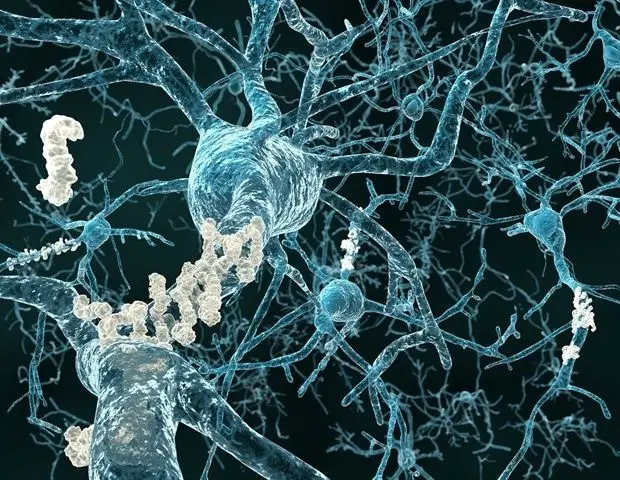
Source: News-Medical
The AI model's key innovation lies in its ability to stratify patients into slow-progressing and fast-progressing groups. This distinction allows researchers to more precisely evaluate drug efficacy in different patient populations. In a re-analysis of a completed clinical trial, the model revealed that the drug in question slowed cognitive decline by 46% in patients with early-stage, slow-progressing mild cognitive impairment
2
.Enhanced Prediction Accuracy
Professor Zoe Kourtzi, senior author of the study, emphasized the model's superior predictive power: "Our AI model gives us a score to show how quickly each patient will progress towards Alzheimer's disease. This allowed us to precisely split the patients on the clinical trial into two groups - slow, and fast progressing, so we could look at the effects of the drug on each group"
1
.The AI model's predictions are reportedly three times more accurate than standard clinical assessments based on memory tests, MRI scans, and blood tests
2
.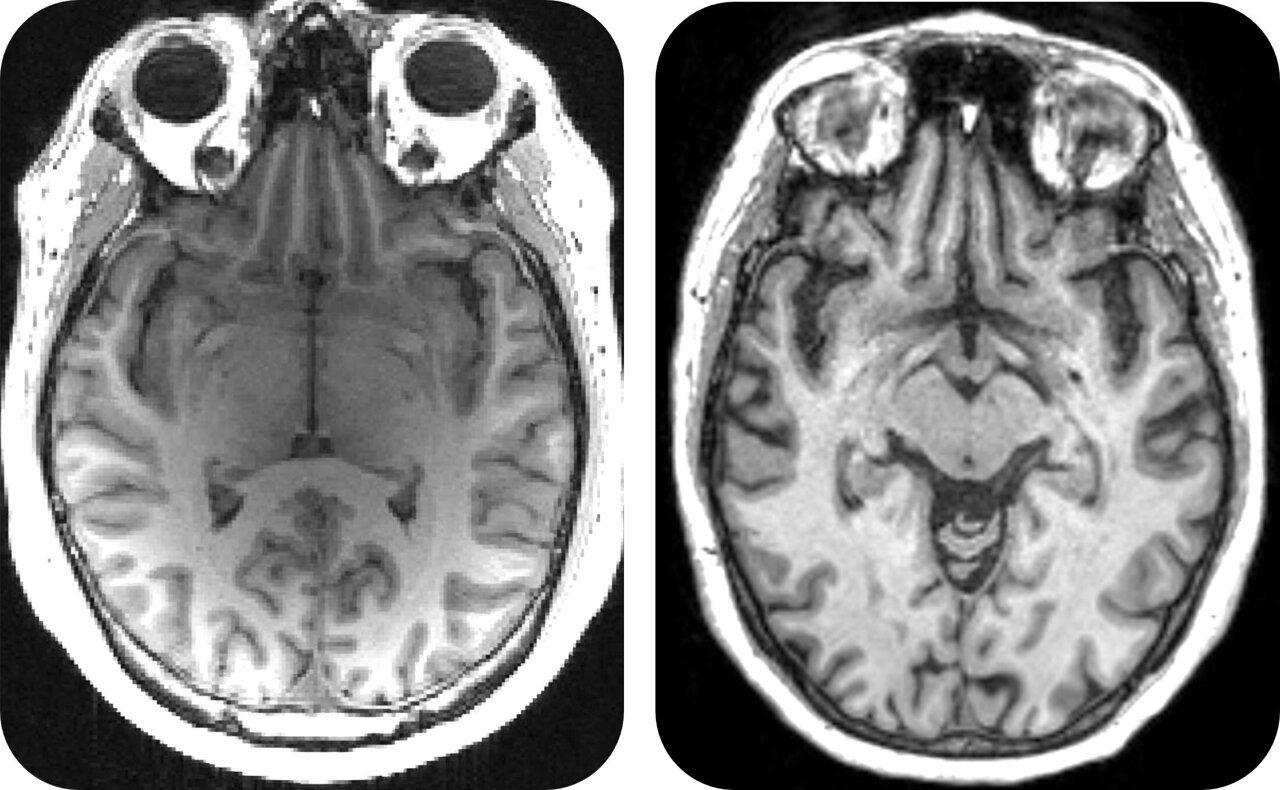
Source: Medical Xpress
Implications for Drug Development
This AI-guided approach has significant implications for the pharmaceutical industry and healthcare systems. By enabling more precise patient selection, it could potentially reduce the cost and time required for clinical trials, accelerating the development of new Alzheimer's treatments
1
.Joanna Dempsey from Health Innovation East England highlighted the potential impact: "This AI-enabled approach could have a significant impact on easing NHS pressure and costs in dementia care by enabling more personalised drug development - identifying which patients are most likely to benefit from treatment, resulting in faster access to effective medicines and targeted support for people living with dementia"
2
.Related Stories



Addressing the Alzheimer's Crisis
The development of this AI model comes at a critical time in Alzheimer's research. Despite decades of effort and billions spent on research and development, the failure rate for new treatments remains alarmingly high at over 95%
1
.Dementia, of which Alzheimer's is the most common form, is the UK's leading cause of death and a major global health concern. With cases expected to triple by 2050 and an annual cost of $1.3 trillion, the need for effective treatments is urgent
2
.Future Prospects
As the AI model transitions from research to clinical application, it holds the promise of ushering in a new era of precision medicine in Alzheimer's treatment. Professor Kourtzi concluded, "AI can guide us to the patients who will benefit from dementia medicines, by treating them at the stage when the drugs will make a difference, so we can finally start fighting back against these cruel diseases"
1
.References
Summarized by

Navi
Related Stories
Recent Highlights



Recent Highlights
Today's Top Stories







Don’t drown in AI news. We cut through the noise - filtering, ranking and summarizing the most important AI news, breakthroughs and research daily. Follow topics that matter to you and stay ahead.


