AI Identifies Promising Therapeutic Target for Rare Salivary Gland Cancer


2 Sources
[1]
AI helps find promising therapeutic target for rare salivary gland cancer
Researchers have uncovered a promising therapeutic target for adenoid cystic carcinoma (ACC), a rare cancer of the salivary glands with few treatment options. The study, "PRMT5 inhibition has a potent anti-tumor activity against adenoid cystic carcinoma of salivary glands," is published in the
[2]
AI helps find promising therapeutic target for rare salivary gland cancer | Newswise
Researchers have uncovered a promising therapeutic target for adenoid cystic carcinoma (ACC), a rare cancer of the salivary glands with few treatment options. The study, led by researchers from the University of Chicago Medicine Comprehensive Cancer Center, in collaboration with scientists from
Share
Copy Link
Researchers use AI to discover a potential treatment for adenoid cystic carcinoma, a rare salivary gland cancer, by targeting the PRMT5 enzyme. The study explores the effectiveness of a PRMT5 inhibitor and potential combination therapies.

AI-Powered Discovery in Rare Cancer Research
Researchers from the University of Chicago Medicine Comprehensive Cancer Center, in collaboration with InSilico Medicine and Prelude Therapeutics, have made a significant breakthrough in the treatment of adenoid cystic carcinoma (ACC), a rare cancer affecting the salivary glands. The study, published in the Journal of Experimental & Clinical Cancer Research, utilized artificial intelligence to identify a promising therapeutic target for this challenging disease
1
2
.Understanding Adenoid Cystic Carcinoma
ACC is an extremely rare form of cancer, accounting for only 1-5% of head and neck cancers and 25-35% of salivary gland neoplasms. Its rarity and late-onset symptoms make it particularly difficult to study and treat effectively. Dr. Evgeny Izumchenko, Assistant Professor of Medicine at UChicago, emphasized the challenges faced by researchers due to the limited knowledge and treatment history available for ACC
1
.AI-Driven Target Identification
Given the lack of targeted therapies for ACC, the research team turned to artificial intelligence to discover novel therapeutic targets. Using an AI-based predictive discovery tool, they analyzed gene expression data from 87 ACC tumor samples and 35 matched normal controls. This analysis led to the identification of protein arginine methyl transferase 5 (PRMT5) as a top candidate for potential drug targeting
1
2
.Evaluating PRMT5 Inhibition
The researchers collaborated with Prelude Therapeutics to evaluate PRT543, a highly selective PRMT5 inhibitor. The drug was tested across various preclinical models, including ACC cell lines, organoids, and patient-derived xenografts (PDXs). Dr. Izumchenko highlighted the advantages of using organoids, stating that they better represent the genetic composition of the cancer compared to cell lines
1
.Promising Results and Combination Therapy
Results showed that PRMT5 inhibition significantly suppressed tumor growth across multiple preclinical models, downregulating key ACC-associated genes such as MYB and MYC. The treatment was effective regardless of NOTCH1 mutations, which are associated with more aggressive ACC
1
2
.While PRT543 showed promise, the researchers acknowledged that it was not a cure-all solution. To enhance its effectiveness, they explored combination treatments, identifying Lenvatinib, a multi-kinase inhibitor, as a potential partner. The combination led to a stronger inhibitory effect on tumor growth in vitro
1
.Related Stories
Personalized Treatment Approach
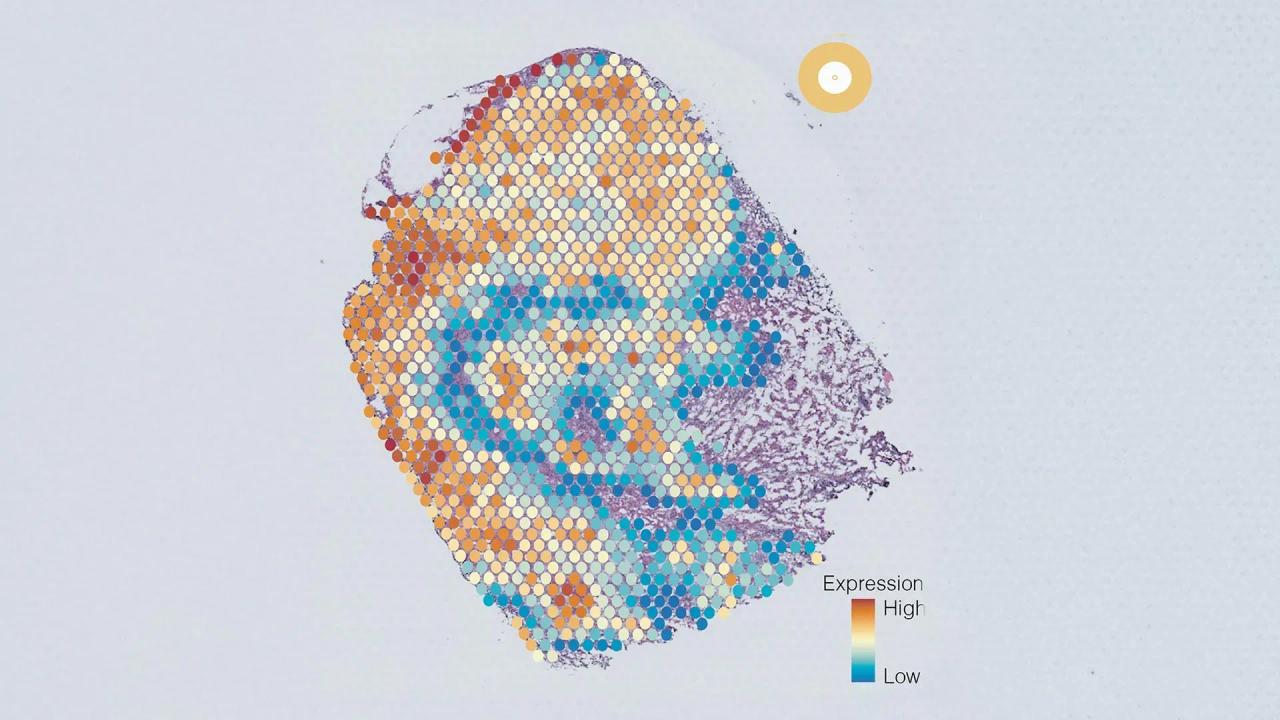
The study revealed that a subset of patients exhibited high PRMT5 expression alongside elevated levels of MYC, MYB, and Lenvatinib target genes. This finding suggests that targeting PRMT5 signaling in combination with Lenvatinib could be a promising strategy for patients with this specific molecular profile
2
.Dr. Izumchenko noted, "We think that patients that have this molecular signature are potential candidates for the combination treatment. The patients that have high levels of PRMT5, MYB, and MYC, but not Lenvatinib targets, are the patients most likely to benefit from monotherapy with a PRMT5 blocker without requiring a combination therapy"
2
.Future Implications
This research represents a significant step towards more personalized and targeted therapies for treating rare cancers like ACC. The use of AI in identifying therapeutic targets showcases the potential of technology in accelerating drug discovery and improving patient outcomes
1
2
.The study was supported by grants from the National Institutes of Health, the ACC Research Foundation, and various research cores at the University of Chicago. It involved a collaborative effort from multiple institutions, including InSilico Medicine, Northwestern University, and Prelude Therapeutics
2
.References
Summarized by

Navi
Related Stories
Scientists discover hidden binding site in cancer protein that AI tools completely missed
03 Jun 2026•Science and Research

AI Tool Uncovers Life-Saving Treatment for Rare Disease, Opening New Possibilities in Drug Repurposing
06 Feb 2025•Health

AI analyzes tumor biopsies to predict immunotherapy success in rare cancers, quadrupling survival
30 Jun 2026•Health

Recent Highlights



Recent Highlights
Today's Top Stories



Don’t drown in AI news. We cut through the noise - filtering, ranking and summarizing the most important AI news, breakthroughs and research daily. Follow topics that matter to you and stay ahead.


