AI-Powered Job Interviews Spark Controversy and Reshape Hiring Landscape


3 Sources
[1]
AI interview bots spark backlash from frustrated job applicants
The big picture: As more employers turn to AI to manage overburdened recruiting pipelines, the debate about its merits - and drawbacks - continues. Some job-seekers opt out of opportunities altogether when robots come calling. Others, resigned to the new normal, accept these digital gatekeepers to
[2]
When the Interviewer Isn't Human and No One Tells You
Lu wasn't sure if the candidate was using AI live during the interview, but suspects the candidate used AI beforehand to generate answers that they then memorized, and then when Lu's questions were out of the bounds of those responses, the interview broke down. Bidwell says that candidates reading
[3]
Job Seekers Disgusted When They Show Up to Job Interviews and the "Interviewer" Isn't Even Human
Employment seekers are getting frustrated when they finally lock down a much-sought-after job interview -- only to realize when they log onto the meeting that the "interviewers" isn't even human. As Fortune reports, professionals are starting to push back, noping out of interviews conducted by AI
Share
Copy Link
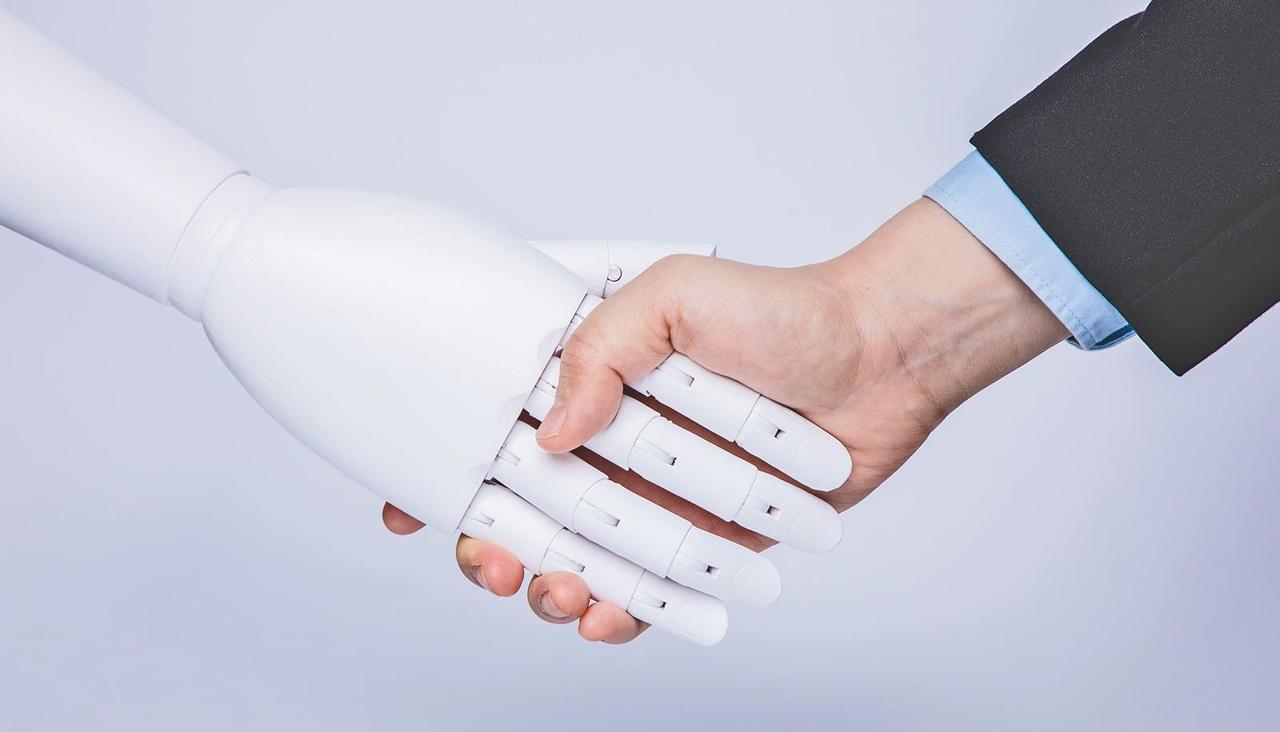
The increasing use of AI in job interviews is causing frustration among job seekers, while companies defend the practice as necessary for managing high application volumes. This trend is reshaping the hiring process and raising questions about the balance between efficiency and human connection in recruitment.
The Rise of AI in Job Interviews
The job interview landscape is undergoing a significant transformation as employers increasingly turn to artificial intelligence (AI) to manage their recruitment processes. Instead of traditional face-to-face meetings with hiring managers, job seekers are now finding themselves interacting with AI-driven bots and digital avatars
1
. This shift has sparked a heated debate about the merits and drawbacks of using AI in the hiring process, with both job applicants and employers expressing strong opinions on the matter.
Source: TechSpot
Job Seekers' Frustrations
Many professionals, especially those navigating unemployment, have expressed frustration and alienation with AI-powered interviews. Debra Borchardt, a seasoned writer and editor, described the experience as "demoralizing and soul-sucking," stating that she abandoned an AI interview after just a few questions
1
. Similarly, technical writer Allen Rausch found AI interviews to be impersonal and felt his time was being wasted1
.Some job seekers are even opting out of opportunities altogether when they discover that robots will be conducting the interviews. They view the absence of human interaction as a negative indicator of company culture and are unwilling to engage with what they perceive as an impersonal process
3
.
Source: Futurism
Employers' Perspective
Despite the pushback from job seekers, many organizations have found compelling reasons to adopt AI in their interview processes. HR teams facing overwhelming numbers of applicants for single openings are using AI tools to filter applicants, schedule calls, and conduct initial screening conversations
1
.Priya Rathod, workplace trends editor at Indeed, explained that AI interviews are becoming more common in early-stage screening because they can streamline high-volume hiring for roles such as customer service, retail, or entry-level tech positions
1
.The AI Arms Race in Hiring
The widespread adoption of AI in the hiring process has led to an unexpected consequence: an "applicant tsunami." Both qualified candidates and scammers are using AI to generate and customize applications and résumés, overwhelming HR workers. In response, employers are using AI to sift through thousands of applications, creating what one recruiter described as an "AI versus AI type of situation"
3
.Related Stories

Limitations and Ethical Concerns
While AI has shown promise in objective skill assessment, even its advocates acknowledge its limitations. Adam Jackson, CEO of Braintrust, an AI interviewer provider, conceded that assessing cultural fit and building real human connections remains the domain of people
1
.There are also growing concerns about the ethical use of AI in the hiring process. A report by Resume Now found that 79% of hiring professionals surveyed believe there should be some regulation over the use of AI-generated content in job applications
2
. This indicates that while employers are increasingly using AI, they are also concerned about applicants using the technology.The Future of AI in Hiring
As the debate continues, it's clear that AI is reshaping the hiring landscape. Some job seekers appreciate the convenience of scheduling interviews at their leisure and feel less intimidated by AI interviewers. However, others raise concerns about AI's ability to ask relevant questions, interpret responses accurately, and provide a meaningful candidate experience
1
.The challenge for employers moving forward will be finding the right balance between leveraging AI's efficiency and maintaining the human touch that many candidates desire. As Eric Spencer from Resume Now suggests, the key lies in using AI ethically – to support and enhance the hiring process, not to replace human interaction entirely
2
.References
Summarized by

Navi
Related Stories
AI Interviews Reshape Hiring as 63% of Job Seekers Face Robot Recruiters, 38% Drop Out
16 Sept 2026•Business and Economy
AI Hiring Creates a 'Doom Loop' as Job Seekers and Companies Struggle With Automated Screenings
21 Dec 2025•Technology

AI Interviewers: The New Frontier in Job Recruitment
18 Jul 2025•Technology

Recent Highlights
1
Microsoft and Nvidia Launch Surface Laptop Ultra: A $2,599 AI-Ready PC With RTX Spark Chip
Technology

2
Google Unveils Gemini 4 Argon AI Model, Restricts Access to Trusted Cyber Defenders
Technology
3
OpenAI Releases 722 AI-Generated Math Papers on GitHub, Igniting Fury Among Mathematicians
Science and Research

Recent Highlights
Today's Top Stories






Don’t drown in AI news. We cut through the noise - filtering, ranking and summarizing the most important AI news, breakthroughs and research daily. Follow topics that matter to you and stay ahead.


