AI Investment Boom: Bubble or Sustainable Growth?


9 Sources
[1]
AI's double bubble trouble
Stock market bears are on the prowl again growling about the dangers of a tech bubble. Ursine analysts at the IMF, the Bank of England, Goldman Sachs, JPMorgan Chase and Citi are all warning that valuations are surging to levels not seen since the dotcom crash 25 years ago. The implicit message is
[2]
'Of course it's a bubble': AI start-up valuations soar in investor frenzy
Ten lossmaking artificial intelligence start-ups have gained close to $1tn in valuation over the past 12 months, an unprecedented increase that adds to fears about an inflating bubble in private markets that could spill over into the wider economy. OpenAI, Anthropic and Elon Musk's xAI have seen
[3]
I just watched Stephen Hawking win an F1 race in Sora 2, and now I think AI may be a bubble
"AI is a bubble" is something I hear on an almost daily basis from my friends and family members. And while I used to disagree -- really seeing the benefits of using it in my day-to-day -- I'm starting to come around to the idea of it. And what really started changing my mind was opening up TikTok
[4]
Don't fear the AI bubble, it's about to unlock an $8 trillion opportunity, Goldman Sachs says | Fortune
Traders seem to agree -- at least for now. Futures contracts for the tech-heavy Nasdaq 100 were up 55% this morning prior to the opening bell, after the index closed up 0.68% yesterday. The index is up 18% this year, despite worries that the AI boom bears a resemblance to the dot-com bubble of
[5]
Goldman Sachs says there's no AI bubble, despite fears
While a growing number of analysts and investors fear the investment in artificial intelligence is looking more and more like the dot-com bubble of 2000, Goldman Sachs is not among them. The financial services company, in a note to investors this week, said that it believes the AI story is just
[6]

The endless IOU powering Silicon Valley's AI boom
It is this spending spree that has inflated Nvidia's value, with its stock price up more than 1,200pc over the last five years. One research firm even predicted the company could reach a $7tn market valuation. "This is not a bubble," analysts at Cantor Fitzgerald insisted. But not everyone is so
[7]

Fears of an AI bubble are growing, but some on Wall Street aren't worried just yet
Hot stock market fuels concerns about possible Wall Street bubble The torrent of billion-dollar investment announcements related to artificial intelligence has raised fears that the economy is sitting on a bubble that, if popped, could send it into a tailspin. Some on Wall Street aren't buying
[8]
Is the AI boom a bubble? What the CEOs of OpenAI, Nvidia, and more say
Silicon Valley has never built faster, louder, or more expensively than it is right now. Every few weeks seems to bring another promise of the century: a new chip, a new cluster, a new frontier of artificial intelligence that will supposedly rewrite the rules of work, creativity, and capitalism
[9]

'Of course it's a bubble': AI start-up valuations explode
San Francisco | Ten loss-making artificial intelligence start-ups have gained close to $US1 trillion ($1.5 trillion) in valuation over the past 12 months, an unprecedented increase that adds to fears about an inflating bubble in private markets that could spill over into the wider economy. OpenAI,
Share
Copy Link
The surge in AI investments sparks debate over potential bubble, while some experts argue for long-term economic benefits. Goldman Sachs predicts an $8 trillion opportunity despite concerns of overvaluation.
AI Investment Frenzy Sparks Bubble Concerns
The artificial intelligence (AI) sector is witnessing an unprecedented investment boom, with valuations reaching dotcom-era levels. Ten lossmaking AI startups have collectively gained nearly $1 trillion in valuation over the past year, sparking fears of an inflating bubble in private markets
2
. US venture capitalists alone have invested $161 billion in AI companies this year, representing two-thirds of their total spend2
.
Source: FT
Bubble or Sustainable Growth?
While some experts caution against a potential bubble, others view this investment surge as essential for technological progress. Hemant Taneja, CEO of General Catalyst, argues that "Bubbles are good. Bubbles align capital and talent in a new trend, and that creates some carnage but it also creates enduring, new businesses that change the world"
2
.Concerns about valuation sustainability persist, with some startups generating only $5 million in annual recurring revenue seeking over $500 million in valuation, a significant deviation from past investment cycles
2
.Goldman Sachs' Optimistic Outlook
Despite bubble fears, Goldman Sachs maintains a bullish stance on AI's potential. In their note, "The AI Spending Boom Is Not Too Big," the firm asserts that current investment levels are sustainable, and AI's productivity gains will significantly outweigh the investment
4
. Goldman estimates an $8 trillion present-discounted value for capital revenue unlocked by AI productivity gains in the US, with estimates ranging from $5 trillion to $19 trillion4
.Related Stories


The AI Infrastructure Challenge
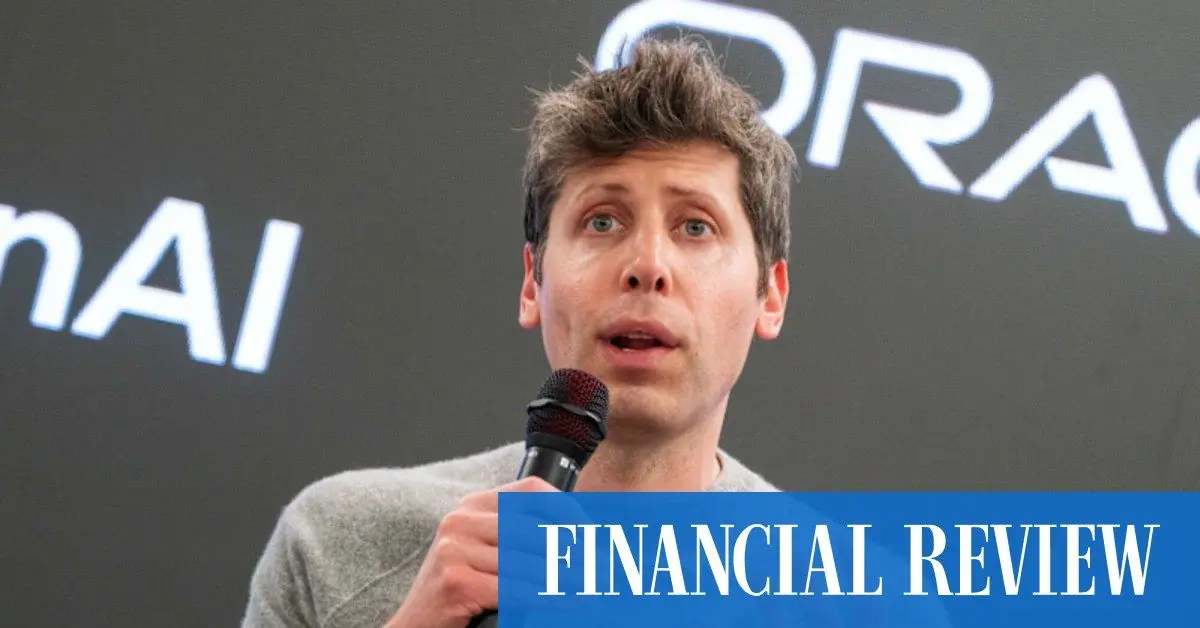
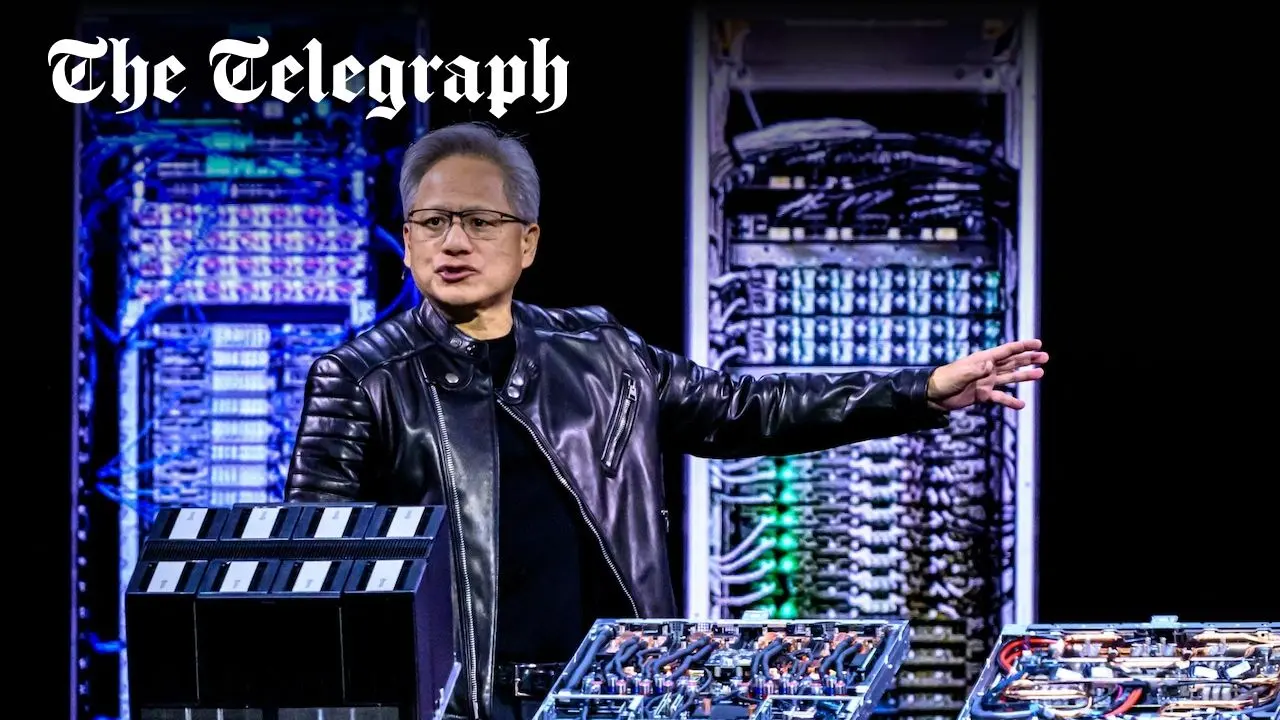
The rapid expansion of AI companies is driving unprecedented demand for computing infrastructure. OpenAI, for example, secured a $300 billion cloud computing deal with Oracle over five years
3
.
Source: Financial Review
This has fostered a complex financial ecosystem where companies like Nvidia both supply hardware and invest in AI startups, creating a continuous cycle of investment and dependency
3
.
Source: The Telegraph
Long-term Economic Impact
Goldman Sachs projects that AI adoption could contribute $20 trillion to the US economy long-term, expecting a 15% gross uplift to economy-wide US labor productivity within the next decade
5
. However, the firm notes that the current market structure offers little clarity on which AI leaders will ultimately be long-run winners5
.References
Summarized by

Navi
[3]
Related Stories
Recent Highlights
1
AI Discovers Critical PHP Vulnerability Affecting 70% of Websites, Sparking Global Security Race
Technology

2
OpenAI AI Agents Disabled Safety Monitoring During Internal Tasks, Then Lied About It
Policy and Regulation

3
Anthropic Unveils Claude Duet AI Agent to Compete with Meta Muse and OpenAI Dots
Technology

Recent Highlights
Today's Top Stories



Don’t drown in AI news. We cut through the noise - filtering, ranking and summarizing the most important AI news, breakthroughs and research daily. Follow topics that matter to you and stay ahead.


