AI Investment Boom Set to Slow in 2027 as $800 Billion Spending Faces Revenue Reality Check


2 Sources
[1]
Stocks will tumble much further as AI investment will slow next year then fall in 2028 and drag GDP down too, economist predicts
Investors have already taken a severe beating recently, but there's much more stock market carnage in store as the AI investment boom wanes, according to Capital Economics. In a note on Friday, Chief Economic Adviser Vicky Redwood said AI still has potential to boost productivity but is bearish
[2]
How sustainable is the AI investment boom after Thursday's selloff? By Investing.com
Investing.com -- The artificial intelligence investment boom is becoming increasingly difficult to sustain at its current pace as technology companies pour billions of dollars into infrastructure without a corresponding acceleration in revenues, raising the risk of an eventual spending slowdown
Share
Copy Link
Capital Economics predicts AI investment growth will decelerate in 2027 before falling 10% in 2028, potentially dragging down GDP. Hyperscalers are spending $800 billion this year, but revenues must surge 10-fold by 2030 to justify the pace, raising concerns about market corrections and economic impact.
Hyperscalers Spending Reaches $800 Billion Despite Revenue Concerns
The AI investment boom is approaching a critical inflection point as hyperscalers pour unprecedented capital into infrastructure without corresponding revenue growth, according to Capital Economics
1
2
. The five largest US hyperscalers—Amazon, Alphabet, Microsoft, Meta Platforms, and Oracle—are expected to spend a combined $800 billion on capital expenditures this year, double from a year ago, with projections reaching $1 trillion or more in 20271
. Chief Economic Adviser Vicky Redwood warns that while AI retains significant potential to boost productivity, the current investment trajectory appears unsustainable1
.Revenue Gap Creates Unsustainable Investment Path
The economics firm calculated that annual AI-related revenues from external customers would need to explode by 10-fold to 12-fold by 2030 to justify the spending surge
1
2
. Specifically, revenues must reach between $1.7 trillion and $1.9 trillion by 2030, compared with an estimated $150 billion to $200 billion currently2
. Achieving such returns would demand much larger productivity improvements and a more significant transfer of income from workers to capital than currently anticipated. This implies a much more severe and rapid disruption to the economy than currently seen, including major displacement of existing businesses and labor1
.Slowdown in AI Investment Expected in 2027, Decline in 2028
Capital Economics predicts AI investment will continue rising next year but at a slower pace, then fall outright in 2028 by around 10%
1
2
. Physical constraints including semiconductor shortages, electricity limitations, and rising opposition to data centers over their consumption of land, power, and water could delay projects2
. Political pressure following Democrats' gains in the US midterm elections could also result in tighter planning restrictions, particularly at the state level2
. Despite the anticipated decline, capital expenditures could remain relatively high as hyperscalers continue spending to replace depreciating equipment, exploit economies of scale, and stay ahead in the "winner-takes-most" AI race1
.Impact on GDP Growth Varies by Region
The economic slowdown from reduced AI investment will vary significantly across regions. Higher AI investment added 0.3 percentage point to U.S. GDP growth last year, meaning a capex slowdown should trim that much from its recent growth rate, while a 10% capex drop might take 0.1% off GDP
1
2
. Taiwan and South Korea face greater exposure due to their dependence on AI-related manufacturing and exports. Taiwan's real GDP growth next year should be around 3 percentage points lower, and South Korea's should be 1 point lower, with further drag in 20281
. The impact could deepen in 2028, reaching 5.5 percentage points in Taiwan and 1.5 percentage points in South Korea2
.S&P 500 Faces 17% Drop from Peak as Markets Price in Slowdown
Redwood expects the S&P 500 will be 12% below its current level by the end of 2027, putting it 17% off its early-October peak
1
. Tech-heavy indices should experience considerably larger falls, she added, with a tightening of financial conditions driven by factors such as higher energy prices or term premia potentially making financing investment harder1
. Lower stock prices will also feed into the economy via the wealth effect, which fuels consumer spending. The market's rally over the past year lifted GDP by around 0.4%, so a stock selloff should produce an economic drag of similar scale1
.
Source: Fortune
Related Stories
Financial Risks Emerge as Hyperscalers Turn to External Financing
While AI infrastructure spending was initially funded largely through companies' own cash flows, debt issuance, equity financing, leases, and private credit have become more important
2
. Outstanding hyperscaler bonds currently amount to about $500 billion, or roughly 6% of the $8.3 trillion US non-financial corporate bond market2
. A deterioration in revenues could expose lenders and other investors to losses, potentially tightening financial conditions. However, a prolonged investment boom financed increasingly through debt could create much larger financial vulnerabilities2
.Productivity Gains Expected Despite Investment Moderation
Despite warnings about the AI investment boom, AI will continue working its way into the economy and improve productivity, helped by infrastructure that's already been built and new investment on the way, albeit at a slower rate
1
. Redwood estimated that AI will increase U.S. productivity by about 1% per year for several years1
. Capital Economics does not expect an abrupt collapse in AI investment or a severe economic downturn when the boom ends. Existing infrastructure, replacement spending, and continued investment should support further AI adoption, even if spending on physical infrastructure moderates2
. Software and applications linked to AI deployment could also prove more resilient than spending on GPUs, servers, and networking equipment2
. The firm expects investment to adjust to a more sustainable pace, with sufficient capacity still being added to support further growth in AI usage1
.References
Summarized by

Navi
Related Stories
Big Tech's $740 Billion AI Spending Hits Economic Turbulence as Google Admits AI Search Earns Less
29 Oct 2026•Business and Economy

Big Tech Sheds Nearly $900 Billion as Soaring AI Spending Triggers Market Rout
23 Oct 2026•Business and Economy
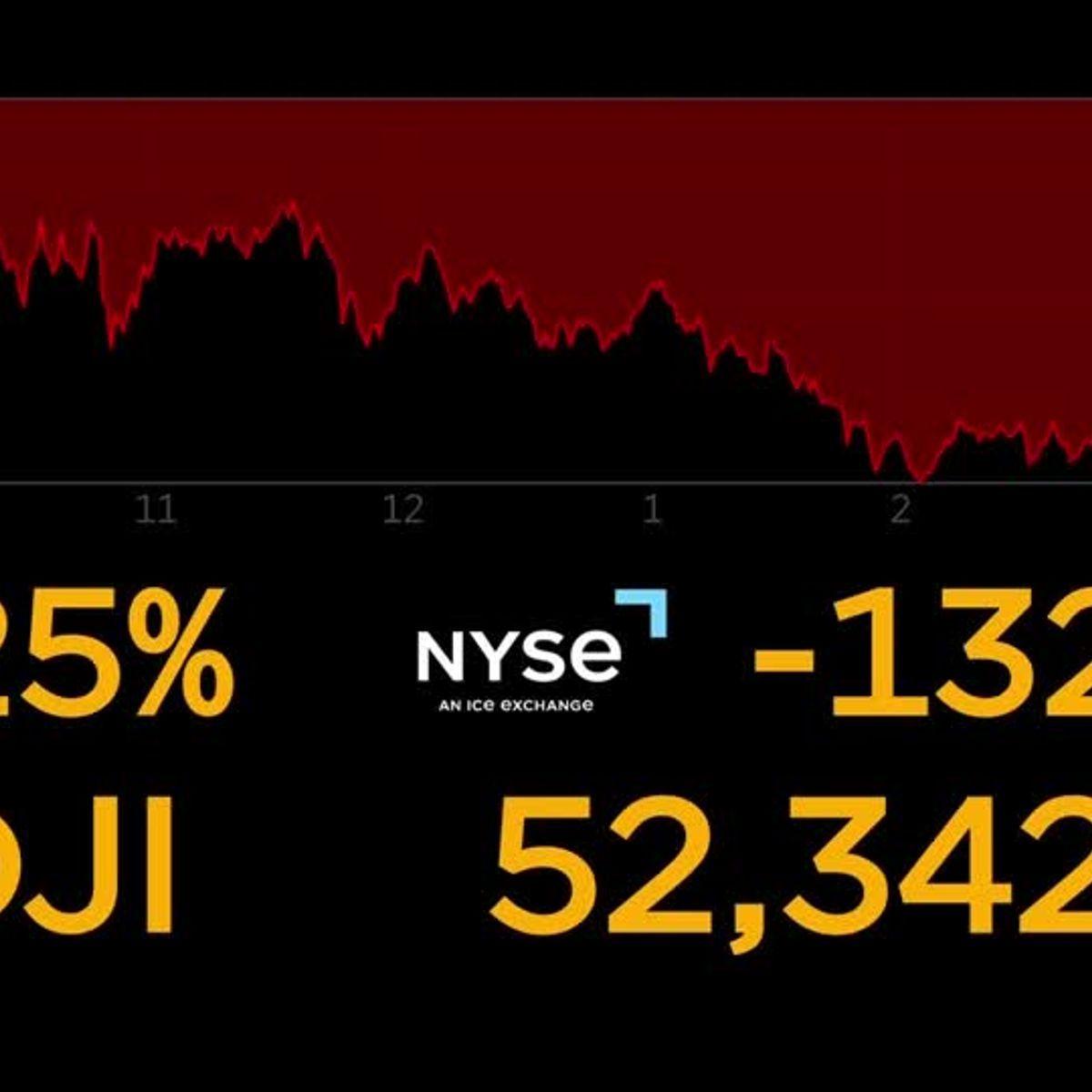
AI Fears Trigger Historic Stock Market Sell-Offs as New Tools Spark Disruption Concerns
12 Feb 2026•Business and Economy
Recent Highlights
1
Anthropic AI Development Doubles Speed as Self-Improving Systems Near Breakthrough
Technology

2
Google's AI Policy Forces Schools to Accept AI Overviews or Lose Search Access Entirely
Technology

3
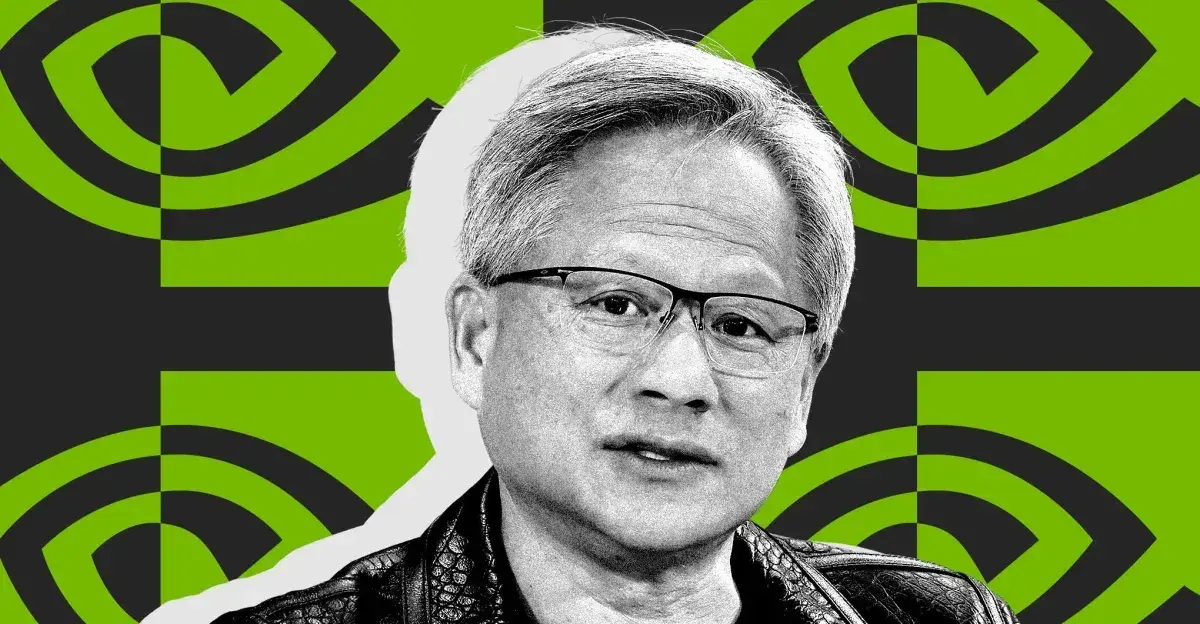
Nvidia Opens Investigation as Jensen Huang Faces Chinese Spy Allegations Linked to $2B Chip Smuggling
Policy and Regulation
Recent Highlights
Today's Top Stories






Don’t drown in AI news. We cut through the noise - filtering, ranking and summarizing the most important AI news, breakthroughs and research daily. Follow topics that matter to you and stay ahead.


