AI boom drives data centers to adopt multi-day battery storage as power demands surge


3 Sources
[1]
Crusoe Buys Batteries That Last for Days to Power New Data Centers
Form Energy Inc. has reached an agreement to sell batteries that rely on rust and last for days to data center developer Crusoe, as technology companies rush to find resources to meet the growing power needs of artificial intelligence. The battery startup will deliver 12 gigawatt-hours of energy
[2]
Soaring AI demand spurs roll-out of long duration energy storage
Industry Insight from Reuters Events, a part of Thomson Reuters. March 24 - Surging power demand from data center developers has spurred interest in emerging long duration energy storage (LDES) technologies that can provide reliable clean power supplies day and night. Long duration energy storage
[3]
AI boom catapults batteries into the mainstream
Why it matters: It's a marriage of urgent needs: The AI sector needs reliable power -- fast. Battery companies need deep-pocketed customers. Driving the news: Form Energy will provide its multi-day storage technology to data center developer Crusoe in an announcement made Tuesday at CERAWeek by
Share
Copy Link
Form Energy secured a major deal to supply 12 gigawatt-hours of iron-air batteries to data center developer Crusoe, marking a shift toward long duration energy storage for AI infrastructure. The batteries can store power for up to 100 hours, addressing the urgent power needs of artificial intelligence while reducing strain on constrained power grids and protecting ratepayers from cost increases.
AI Infrastructure Fuels Demand for Long Duration Energy Storage
Form Energy has secured an agreement to deliver 12 gigawatt-hours of energy storage to data center developer Crusoe starting in 2027, reflecting the intensifying race to meet the power demands of AI
1
. The deal, announced at CERAWeek by S&P Global in Houston, comes as technology companies scramble to secure reliable power for artificial intelligence operations. Form Energy CEO Mateo Jaramillo said the agreement "reaffirms the direction of a lot of the market, which is data centers need that firm, fast capacity"1
.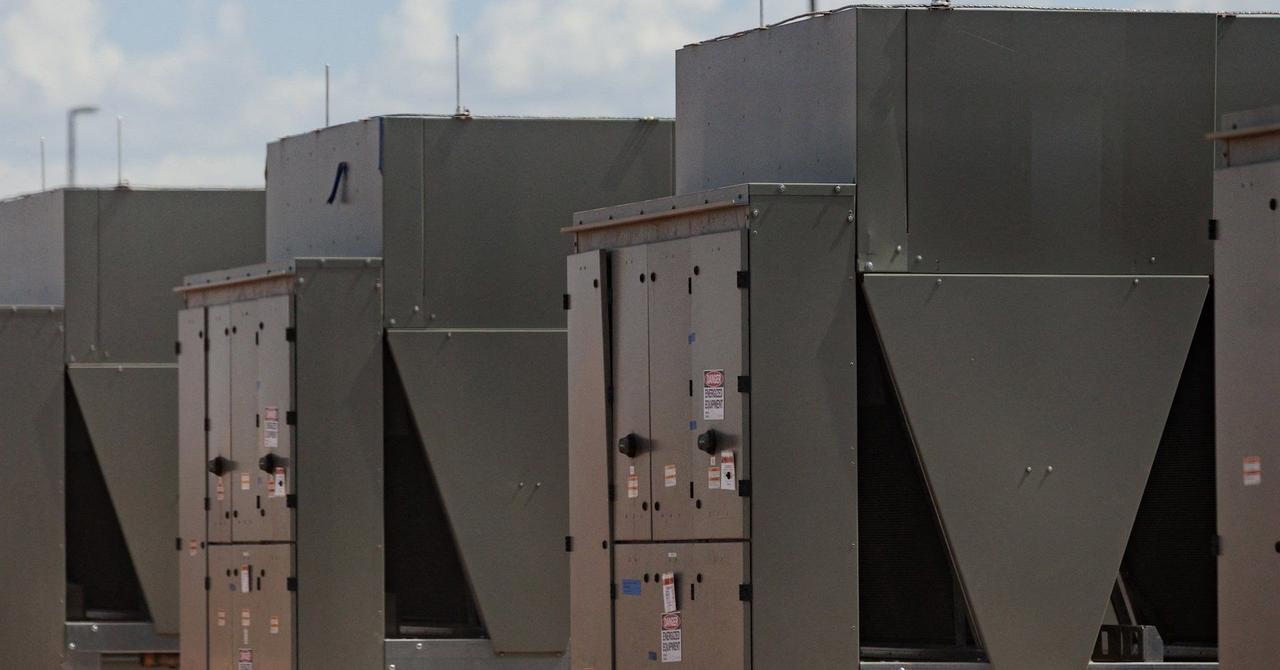
Source: Reuters
The partnership follows Form's recent deal to provide a 30 gigawatt-hour battery installation to Xcel Energy for a Google data center in Minnesota, signaling broader adoption of battery storage technologies for powering data centers
1
. Crusoe co-founder Cully Cavness emphasized that the arrangement reflects pressure from President Trump for tech companies to ensure the AI buildout doesn't drive up electricity costs for others3
.Iron-Air Batteries Enable Multi-Day Power Supply
Form Energy's iron-air batteries represent a departure from conventional lithium-ion batteries, which typically discharge four hours of power. The company's technology can store and discharge electricity for up to 100 hours by converting iron into rust and then reversing the process to release energy days later
1
3
. This long duration energy storage capability helps operators tap power during extended periods of grid stress when electricity prices typically skyrocket.
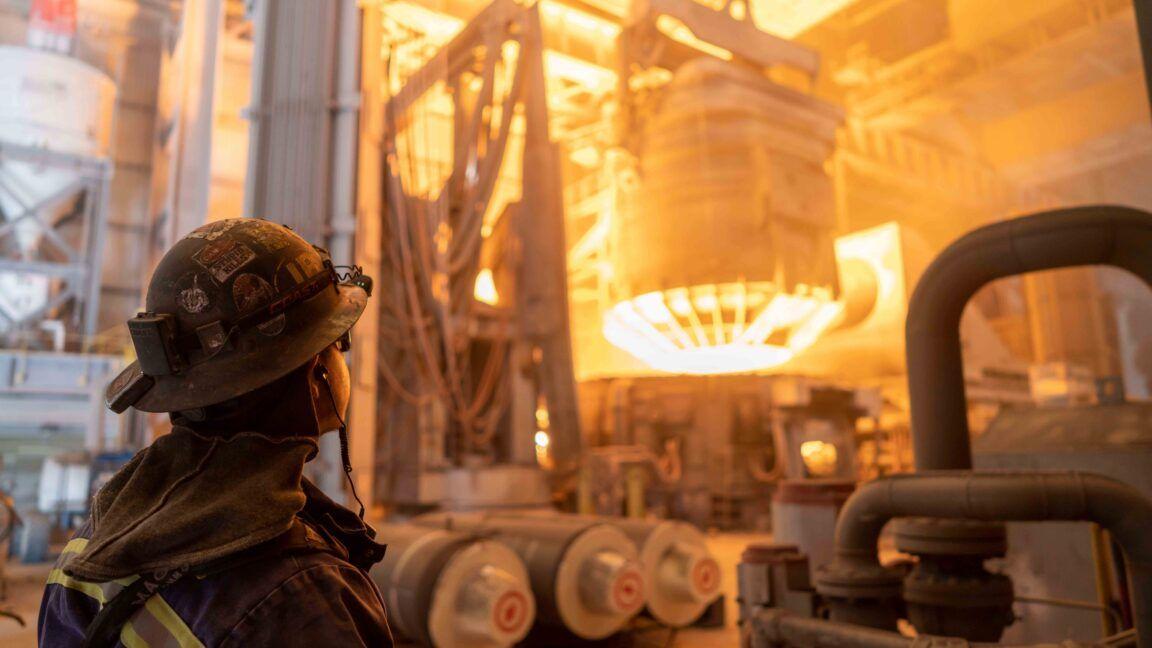
Source: Bloomberg
The system relies on iron, a cheap and widely available material, instead of more expensive metals used in conventional batteries. "Multi-day storage unlocks new capacity on the grid and enables the rapid buildout of AI infrastructure," said Sarah Bray, spokesperson for Form Energy
2
. The batteries for Crusoe's data centers will be manufactured at Form's factory in West Virginia, which is ramping up production1
.Energy Storage Accelerates Data Center Development
Developers see energy storage as a tool that can help get data centers online faster and potentially without needing to rely on constrained power grids
1
. Crusoe said the agreement reflects its approach to building AI infrastructure without necessarily being dependent on the local grid, and the arrangement will protect ratepayers from cost increases and strengthen grid reliability1
."We just see that the moment for batteries is really here," Cavness said. "It's ultimately about having more control of our timelines, taking our destination into our own hands"
3
. The strong financial credentials and operational urgency of data center developers improve the bankability of LDES projects, according to the Long Duration Energy Storage Council2
.Related Stories
Market Momentum Despite Scaling Challenges
Form Energy has raised $1.2 billion in financing from investors including Breakthrough Energy Ventures, TPG Rise Climate and Energy Impact Partners, and is in the middle of raising another round
1
. The company has been laying the groundwork for an initial public offering that could come within 12 months, Jaramillo added. Form expects its first energy-storage pilot system to come online this year in Minnesota and has over 75 gigawatt-hours of commercial projects under agreement1
.However, Form has only one factory so far, underscoring the challenge of scaling up. "There are a lot of challenges as we go up the ramp-up," Jaramillo acknowledged, noting that balancing the timeline with the amount of added capacity is key
3
. Supply chain constraints associated with Foreign Entity of Concern provisions introduce uncertainties, with new LDES deployments expected to be mostly delayed until after 20302
.Broader Implications for Energy Innovation
The U.S. added a record 57.6 GWh of battery energy storage capacity in 2025, up 30% from 2024, though the vast majority had a duration of two to four hours
2
. AI growth and dwindling grid capacity is now boosting the business case for alternative battery technologies, sparking large projects that will help demonstrate these emerging technologies. Google announced plans this month to develop a new data center in DTE Energy's service territory in Michigan, to be served by 2.7 GW of new resources including 55 MW of LDES2
.
Source: Axios
Jaramillo said deals like this could accelerate broader adoption of new energy technologies, noting that combining storage and natural gas plants is "maybe an under-appreciated" part of the market
3
. While natural gas remains the most scalable power source available today for AI compute capacity, Cavness emphasized that "we also have the opportunity to plant seeds of innovation and use purchasing power to create demand signals for future energy innovation"3
. As state and federal governments push data center developers to bring their own power generation to curb power price increases, long duration storage technologies that can supplement intermittent renewable energy like solar and wind are gaining traction as part of the solution for grid reliability.References
Summarized by

Navi
Related Stories
AI data centers push Big Tech toward natural gas as climate commitments fade into background
27 Mar 2026•Business and Economy

AI energy consumption strains power grid as data center demand drives costs up for manufacturers
06 Jul 2026•Policy and Regulation
Trump Expands Ratepayer Protection Pledge as AI Data Centers Drive Electricity Costs Higher
22 Jul 2026•Policy and Regulation

Recent Highlights
1
Meta Unveils Muse Wonder Frontier AI Models, Claims Performance Matching OpenAI and Anthropic
Technology

2
IMF Report Warns AI Market Correction Could Spark Global Financial Crisis With $1.4T at Risk
Business and Economy

3
OpenAI Releases 722 AI-Generated Math Solutions, Triggering Existential Crisis in Mathematics
Technology

Recent Highlights
Today's Top Stories








Don’t drown in AI news. We cut through the noise - filtering, ranking and summarizing the most important AI news, breakthroughs and research daily. Follow topics that matter to you and stay ahead.


