AI-Powered Smart Bandage Revolutionizes Wound Healing with 25% Faster Results


4 Sources
[1]
Towards adaptive bioelectronic wound therapy with integrated real-time diagnostics and machine learning-driven closed-loop control - npj Biomedical Innovations
The a-Heal platform includes two main components: the a-Heal wearable device (Fig. 1 and S1), which monitors wounds and delivers on-demand therapy, and the a-Heal ML Physician, a ML driven adaptive diagnostic and treatment algorithm with a graphical user interface (GUI) for human physician
[2]
AI-powered smart bandage heals wounds 25% faster
As a wound heals, it goes through several stages: clotting to stop bleeding, immune system response, scabbing, and scarring. A wearable device called "a-Heal," designed by engineers at the University of California, Santa Cruz, aims to optimize each stage of the process. The system uses a tiny
[3]
Smart device uses AI and bioelectronics to speed up wound healing process
As a wound heals, it goes through several stages: clotting to stop bleeding, immune system response, scabbing, and scarring. A wearable device called "a-Heal," designed by engineers at the University of California, Santa Cruz, aims to optimize each stage of the process. The system uses a tiny
[4]
Device uses a camera, AI and electricity to boost healing time by 25%
Dressings that simply cover wounds may soon seem archaic. An experimental new device reportedly speeds healing by 25%, and utilizes a computer-linked camera to determine when it should zap wounds with electricity or shoot medication into them. Known as a-Heal, the AI-enabled gadget is being
Share
Copy Link
Researchers at UC Santa Cruz have developed a-Heal, an AI-driven smart bandage that accelerates wound healing by 25%. This innovative device combines real-time imaging, machine learning, and bioelectronics to provide personalized wound treatment.

Introducing a-Heal: The AI-Powered Smart Bandage
Researchers at the University of California, Santa Cruz have developed a groundbreaking device called 'a-Heal' that promises to revolutionize wound treatment. This innovative smart bandage combines artificial intelligence, bioelectronics, and real-time imaging to accelerate wound healing by an impressive 25%
1
2
.How a-Heal Works
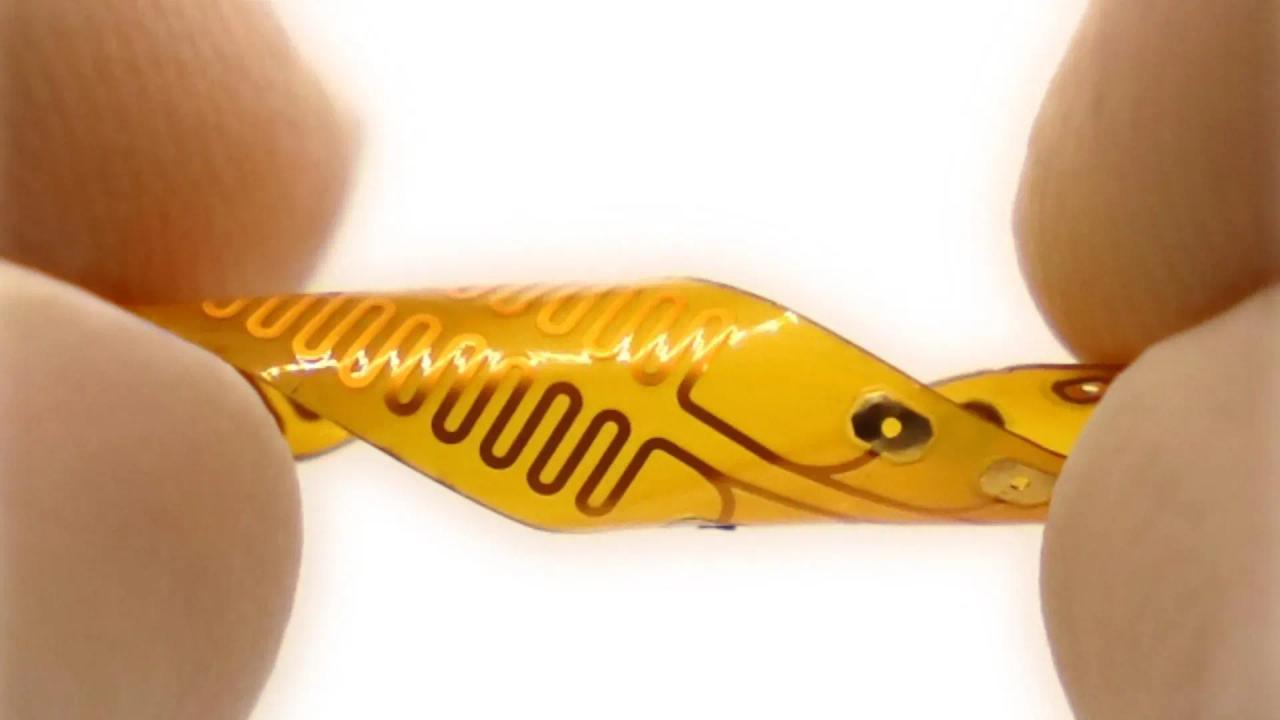
The a-Heal system consists of two main components: a wearable device and an AI-driven diagnostic and treatment algorithm called the 'ML Physician'
1
. The wearable device, which attaches to a commercially available bandage, includes:- A miniature camera that captures wound images every two hours
- LED illumination for clear imaging
- Bioelectronic actuators for drug delivery and electric field application
- A wireless transmission system for data communication
The ML Physician analyzes the wound images and determines the optimal treatment strategy based on the healing stage
2
.AI-Driven Personalized Treatment
The AI model employs a reinforcement learning approach, mimicking the diagnostic process used by human physicians. It uses an algorithm called 'Deep Mapper' to process wound images and quantify the healing stage compared to normal progression
3
.Based on this analysis, the system can administer two types of treatments:
- Topical application of fluoxetine, a selective serotonin reuptake inhibitor that reduces inflammation and promotes wound closure
- Application of an electric field to enhance cell migration towards wound closure
Related Stories

Promising Results and Future Implications
In preclinical studies conducted on pigs, wounds treated with a-Heal healed approximately 25% faster than those receiving standard care
4
. This significant improvement highlights the potential of a-Heal not only for accelerating acute wound healing but also for jump-starting the healing process in chronic wounds.The portable and wireless nature of a-Heal could make advanced wound therapy more accessible to patients in remote areas or those with limited mobility. As Professor Marco Rolandi, the lead researcher, explains, "Our system takes all the cues from the body, and with external interventions, it optimizes the healing progress"
2
.The Future of Wound Care
While a-Heal is still in the experimental stage, its success in preclinical trials suggests a promising future for AI-driven wound care. As the technology continues to develop, it could potentially transform the treatment of various types of wounds, from surgical incisions to chronic diabetic ulcers.
The integration of AI, bioelectronics, and real-time imaging in wound care represents a significant leap forward in medical technology. As research progresses, we may see similar smart devices applied to other areas of healthcare, ushering in a new era of personalized, AI-assisted medical treatments.
References
Summarized by

Navi
[2]
Related Stories
USC Researchers Develop AI-Powered Wireless Implant for Chronic Pain Management
25 Jun 2025•Science and Research
Mayo Clinic Develops AI Tool to Detect Surgical Site Infections from Patient Photos
08 Jul 2025•Health

Smart Insoles: Revolutionizing Sports Performance and Health Monitoring with AI-Powered Wearable Technology
27 Mar 2025•Technology

Recent Highlights



Recent Highlights
Today's Top Stories



Don’t drown in AI news. We cut through the noise - filtering, ranking and summarizing the most important AI news, breakthroughs and research daily. Follow topics that matter to you and stay ahead.


