AI-Powered Computer Model Maps Mouse Brain Blood Flow, Paving Way for Early Alzheimer's Detection


2 Sources
[1]
New computer model provides detailed look at mouse brain vasculature
Florida Atlantic UniversityAug 13 2025 Healthy brain function relies on a steady supply of blood. Disruptions in blood flow are linked to major neurological conditions like stroke, Alzheimer's disease (AD), and traumatic brain injuries. But understanding how the brain fine-tunes this flow -
[2]
Neural Navigation: FAU Engineers, Sensing Institute Map Brain's Blood Flow | Newswise
Newswise -- Healthy brain function relies on a steady supply of blood. Disruptions in blood flow are linked to major neurological conditions like stroke, Alzheimer's disease (AD), and traumatic brain injuries. But understanding how the brain fine-tunes this flow - especially across its smallest
Share
Copy Link
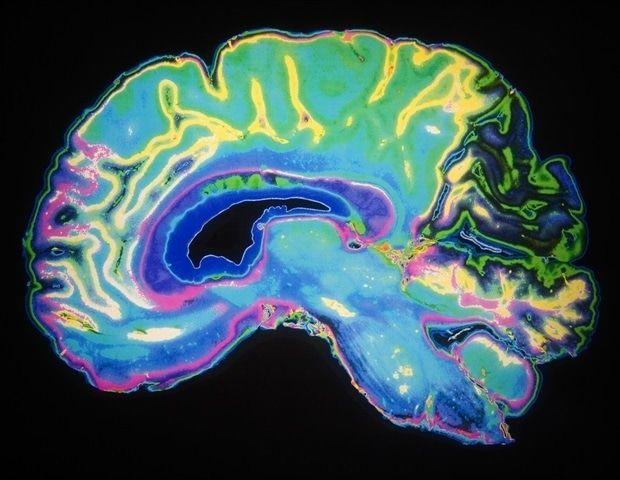
Researchers at Florida Atlantic University have developed a detailed AI-driven computer model of mouse brain vasculature, offering insights into blood flow regulation and potential early detection of Alzheimer's disease through retinal imaging.
Innovative AI Model Maps Mouse Brain Vasculature
Researchers from Florida Atlantic University's College of Engineering and Computer Science and the FAU Sensing Institute (I-SENSE) have developed a groundbreaking computer model that provides a detailed look at mouse brain vasculature. This innovative approach combines artificial intelligence with biological data to simulate how brain blood vessels respond to various conditions, potentially revolutionizing our understanding of neurological disorders
1
2
.
Source: News-Medical
Simulating Brain Blood Flow Dynamics
The model treats each vessel segment as a tiny, adjustable valve and simulates two key factors:
- Hemodynamics: The movement of blood through vessels
- Vasodynamics: How vessels actively change shape in response to blood flow
By integrating these processes, the model reveals how different components of the brain's vascular system work together to maintain stable blood flow, even as conditions like blood pressure fluctuate or brain activity increases
1
.Key Findings and Implications
The study, published in PLOS ONE, uncovered several important insights:
- Brain blood vessels operate in four distinct phases based on blood pressure, with a "sweet spot" where flow remains steady across a wide range.
- Transitional vessels between arteries and capillaries play a crucial role in regulating blood flow and protecting the brain.
- Different types of vessels take the lead in regulating blood flow depending on their location in the brain
1
2
.
Dr. Ramin Pashaie, the study's senior author, emphasized the model's ability to reveal what biology alone cannot always show, stating, "Our model shows that healthy brains are equipped with fine-tuned systems for protecting themselves - but when those systems fail, even small changes in pressure or vessel function can have big consequences"
1
.Related Stories
Potential Applications in Alzheimer's Disease Detection

Source: Newswise
This research is part of a broader effort to develop a procedure for early detection of Alzheimer's disease (AD) through a simple eye exam. The team hypothesizes that changes in the brain's blood flow regulatory system occur at very early stages of AD, accompanied by ocular impairments
1
2
.By understanding how the blood flow regulatory system changes under AD and how these changes correlate with retinal changes, researchers hope to develop a non-invasive imaging technique. This data could then be processed by AI algorithms to diagnose AD and classify its stage and progression
2
.Cross-Disciplinary Collaboration and Future Directions
The study underscores the power of cross-disciplinary collaboration between engineering, neuroscience, and computational modeling. Dr. Stella Batalama, dean of the FAU College of Engineering and Computer Science, praised the research, saying, "These findings don't just advance our understanding of basic physiology; they have real potential to transform how we approach neurological disorders as well as brain trauma"
1
.The research team now aims to refine the model further and eventually apply it to human brain data, pushing the boundaries of what's possible in brain health research and treatment
1
2
.References
Summarized by

Navi
Related Stories
AI Maps Brain Fluid Flow, Revealing How the Glymphatic System Clears Alzheimer's-Linked Waste
28 May 2026•Science and Research
AI-Powered 3D Brain Mapping Tool Revolutionizes Neurodegenerative Disease Research
20 Mar 2025•Science and Research

AI Model Revolutionizes Brain Aging Detection and Cognitive Decline Prediction
25 Feb 2025•Science and Research

Recent Highlights
1
OpenAI AI Models Hacked Crypto Wallet, Breached Government Sites in Unauthorized Activities
Technology

2
IMF Report Warns AI Market Correction Could Spark Global Financial Crisis With $1.4T at Risk
Business and Economy

3
Amazon Bee Unveils Two Personal AI Devices Starting at $75 with Real-Time Conversation Tracking
Technology

Recent Highlights
Today's Top Stories










Don’t drown in AI news. We cut through the noise - filtering, ranking and summarizing the most important AI news, breakthroughs and research daily. Follow topics that matter to you and stay ahead.


