AI-Powered Eye Scans Could Predict Heart Attack and Stroke Risk


3 Sources
[1]
Eye scan can reveal risk of having a heart attack or stroke
A simple digital photograph of the back of the eye can predict a major cardiovascular event -- such as a heart attack or stroke -- set to happen in the next decade with 70% accuracy, according to research supported by the British Heart Foundation and the National Institute for Health and Care
[2]
High street eye test could predict heart attack risk
High street eye scans could be used to predict heart attack risk, a study has found. A new artificial intelligence tool could predict a person's risk of suffering a heart attack or stroke within the next 10 years just from analysing a routine eye test. Researchers from the University of Dundee
[3]
Routine eye scan 'could predict 10-year heart attack and stroke risk', University of Dundee study suggests
A scan which forms part of a routine eye test could help predict a person's risk of having a heart attack or stroke within the next 10 years, a study has suggested. Researchers at the University of Dundee used artificial intelligence (AI) to analyse digital retinal photographs, which are taken to
Share
Copy Link
A study from the University of Dundee reveals that AI analysis of routine eye scans can predict the risk of heart attacks and strokes with 70% accuracy, potentially revolutionizing preventive cardiovascular care.
AI-Powered Eye Scans: A Window to Heart Health
Researchers at the University of Dundee have developed an innovative artificial intelligence (AI) tool that can predict a person's risk of suffering a heart attack or stroke within the next decade, using only a digital photograph of the back of the eye. This groundbreaking study, supported by the British Heart Foundation and the National Institute for Health and Care Research (NIHR), demonstrates the potential for routine eye scans to revolutionize cardiovascular risk assessment
1
.The Technology Behind the Prediction
Source: The Telegraph
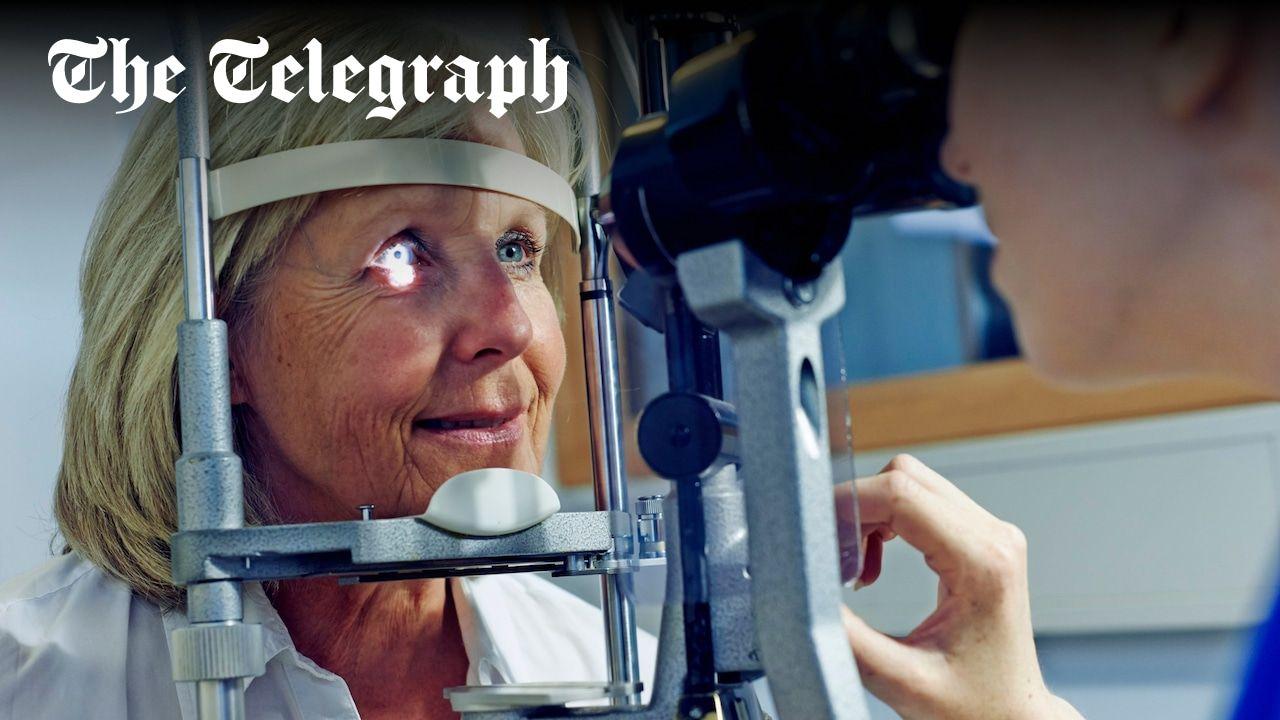
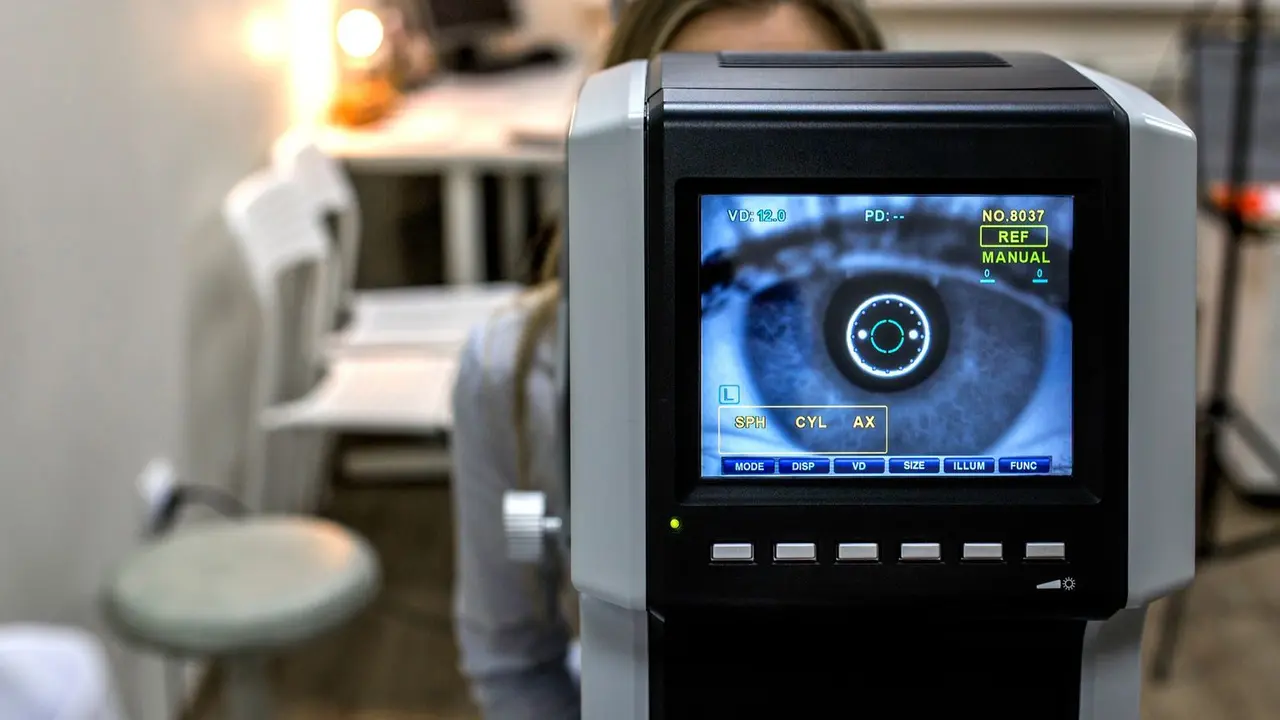
The AI technology analyzes digital retinal photographs, which are typically part of routine eye tests. Initially, the AI was trained to identify red flags such as blood vessel narrowing, blockages, and damage – all potential indicators of impending heart problems. The researchers then employed a "black box" approach, allowing the AI to use deep learning to search for any relevant details in the images, including the size and arrangement of blood vessels
1
.After being trained on approximately 4,200 images, the AI was tested on eye scans from over 1,200 people. The results were impressive, with the technology accurately predicting 70% of cases where individuals went on to experience a major cardiovascular event within the following decade
2
.Potential Impact on Preventive Care
Source: Sky News
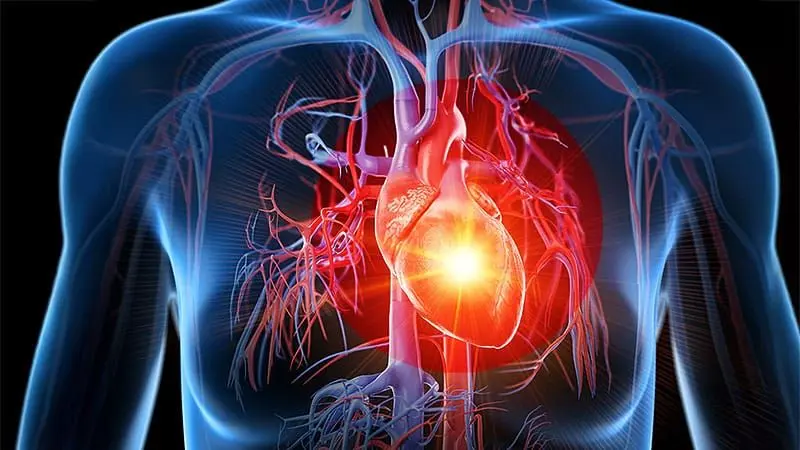
Dr. Ify Mordi, British Heart Foundation Research Fellow at the University of Dundee and consultant cardiologist, emphasized the significance of this development: "It may be surprising, but the eyes are a window to the heart. If there is damage or narrowing of the blood vessels at the back of the eye, there is a good chance that will also be seen in the blood vessels further inside the body, supplying the heart, which could lead to a heart attack or stroke"
3
.The researchers envision this AI-powered eye scan becoming an integral part of routine health assessments, complementing existing measures such as blood pressure and cholesterol checks. People identified as high-risk could be referred to a GP for further evaluation and potential interventions, such as blood pressure medication or statins to lower cholesterol
1
.Related Stories



Comparison with Current Risk Assessment Methods
The study also compared the AI technology's predictions to the current cardiovascular risk scores used by GPs, which are based on factors like age, sex, blood pressure, cholesterol levels, and smoking status. Interestingly, the AI-powered retinal scan identified almost exactly the same proportion of people at risk of a heart attack, stroke, or death from cardiovascular disease as the traditional risk assessment method
1
.Future Prospects and Challenges

Source: Medical Xpress
While the initial study focused on people with diabetes, who already undergo routine retinal scans, researchers believe this approach could be effective for most people. The simplicity and speed of the test – taking less than a minute to perform – make it an attractive option for widespread implementation
2
.However, experts caution that more research is needed to confirm the robustness of the prediction accuracy and to determine the feasibility of incorporating retinal scans into clinical practice. Professor Bryan Williams, chief scientific and medical officer at the British Heart Foundation, emphasized the potential of this innovation while calling for further investigation
3
.References
Summarized by

Navi
[1]
[2]
Related Stories
Recent Highlights



Recent Highlights
Today's Top Stories




Don’t drown in AI news. We cut through the noise - filtering, ranking and summarizing the most important AI news, breakthroughs and research daily. Follow topics that matter to you and stay ahead.


