AI-Powered Method Tracks Thousands of Glioblastoma Cells Moving Through Living Brain Tissue


2 Sources
[1]
New method reveals how individual glioblastoma cells spread through the brain
By combining live imaging of brain tissue with artificial intelligence, researchers at Uppsala University have developed a method that reveals how individual glioblastoma cells spread through the brain, how they can switch between different ways of moving, and how they are affected by cancer
[2]
AI-powered imaging tracks thousands of brain cancer cells moving through living tissue
By combining live imaging of brain tissue with artificial intelligence, researchers at Uppsala University have developed a method that reveals how individual glioblastoma cells spread through the brain, how they can switch between different ways of moving and how they are affected by cancer
Share
Copy Link
Uppsala University researchers developed GlioTrace, combining live brain tissue imaging with artificial intelligence to track thousands of individual glioblastoma cells. The method reveals how brain cancer cells switch movement patterns and respond to treatments, opening new pathways to understand tumor invasion.
Researchers at Uppsala University have developed GlioTrace, an AI-powered method that tracks thousands of individual glioblastoma cells as they spread through the brain, revealing their adaptive movement patterns and responses to cancer treatments.
1
Published in Nature Communications, this breakthrough combines live brain tissue imaging with machine learning to observe tumor invasion in real time, addressing a critical challenge in treating one of the most aggressive forms of brain cancer.2
Understanding Glioblastoma's Deadly Spread
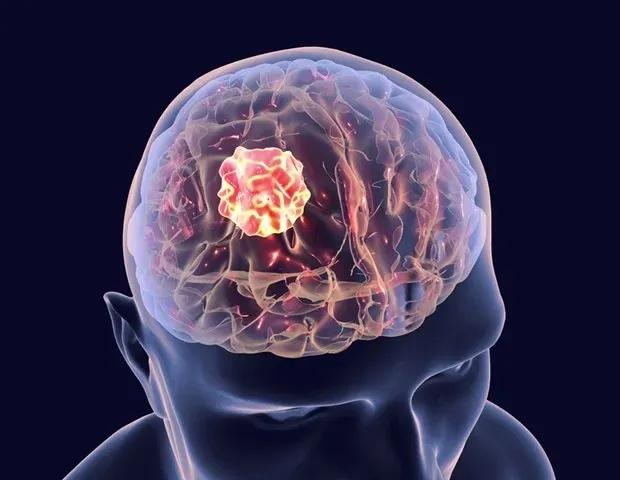
Glioblastoma remains notoriously difficult to treat because brain cancer cells infiltrate surrounding healthy tissue beyond surgical reach. These invasive cells often survive initial treatment and contribute to cancer recurrence. Until now, scientists relied on static snapshots of tumor progression. "This method combines microscopy with artificial intelligence and allows us to watch the process unfold in living brain tissue," explains Hitesh Mangukiya, researcher at the Department of Immunology, Genetics and Pathology at Uppsala University and co-lead author.
1
Source: News-Medical
How GlioTrace Reveals Cell Movement Patterns
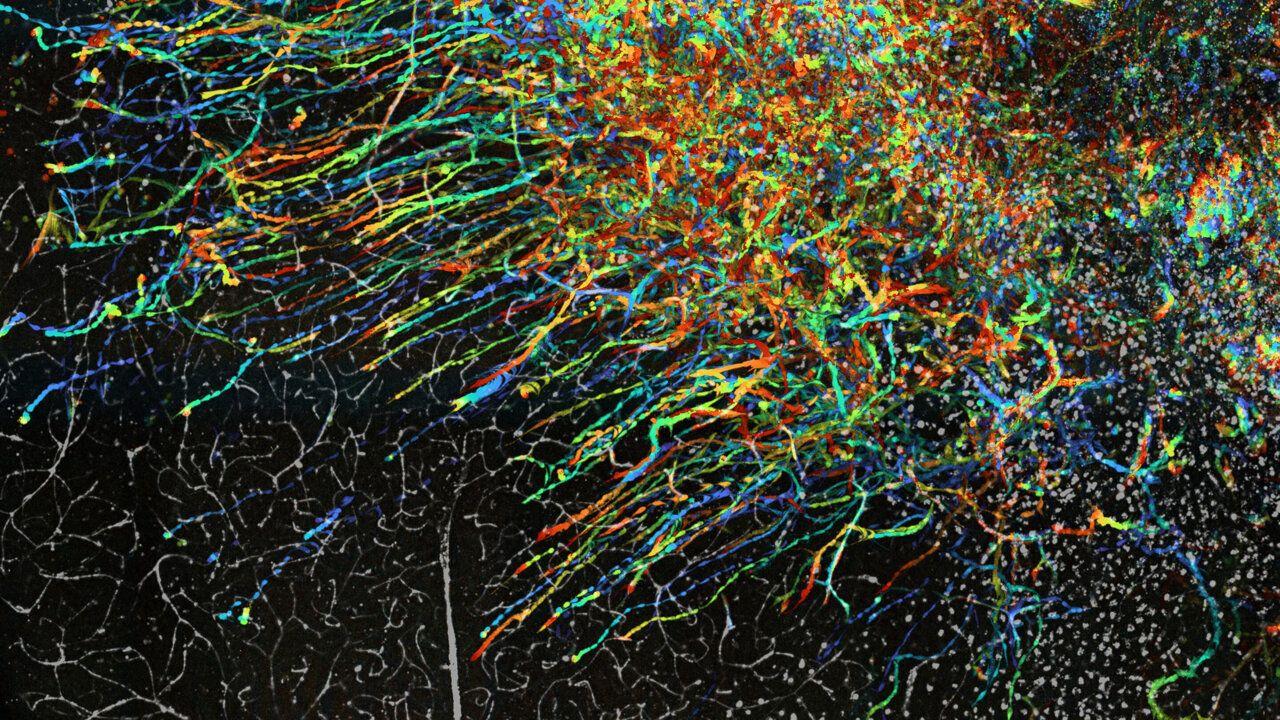
The research team studied glioblastoma cells from six patients, growing them as tumors in mouse brains before slicing the tissue into thin sections kept alive in laboratory conditions. Using automated microscopy, they photographed these slices at intervals of no more than two hours for up to five days. A machine learning system then identified and tracked individual tumor cells while statistical models calculated how cells switched between different states.
2
The results exposed striking differences in tumor invasion patterns. Some tumors spread predominantly along blood vessels, while others moved more diffusely through brain tissue. Individual glioblastoma cells demonstrated remarkable flexibility, changing shape and movement over time and switching between moving along blood vessels and navigating independently through tissue.
Source: Medical Xpress
Tumor Cells Adapt Movement Strategies
"What surprised us most was how flexible the tumor cells are. The same cell can change how it moves over just a few days," notes Madeleine Skeppås, PhD student at Uppsala University and co-lead author.
1
This ability to track individual glioblastoma cells revealed their capacity to adapt migration strategies, a discovery essential for developing treatments that can halt tumor invasion effectively.Related Stories

Cancer Treatments Trigger Unexpected Cell Responses
Using GlioTrace to investigate how drugs affect cell migration, researchers found that two drug substances reduced movement and spread of tumor cells in brain slices. However, effects varied between patient-derived tumors and different types of migrating cells. More concerning, radiation therapy combined with chemotherapy increased the proportion of cells with a particular shape in some tumor models. These cells ranked among the fastest moving and occupied central positions in the network of transitions between cell states, raising questions about whether these invasive cells persist under treatment or contribute to recurrence.
2
A Tool Designed for Widespread Research Use
The computational analysis system, developed by Skeppås with colleagues at Chalmers University of Technology and the University of Gothenburg, processes microscopy images, follows individual cells, identifies their shapes, and estimates changes over time. Unlike methods imaging only small brain regions, GlioTrace can track tumor cells across entire brain slices using standard microscopes. The analysis software is freely available to other researchers, democratizing access to this advanced tumor invasion research capability.
"Using this method allows us to monitor, for the first time, how thousands of individual tumor cells move through living brain tissue and to see how they adapt their behavior in real time," says Sven Nelander, Professor of Integrative Cancer Research at Uppsala University.
1
While GlioTrace remains a research method requiring further studies before guiding patient treatment decisions, it opens pathways to understand how tumor cells interact with their surroundings and identify therapies that can prevent cancer from spreading through the brain.References
Summarized by

Navi
Related Stories
AI Model Detects Brain Cancer Spread Without Surgery, Offering New Hope for Patients
15 Jan 2025•Health

AI Model FastGlioma Revolutionizes Brain Tumor Detection During Surgery
14 Nov 2024•Health

AI Tool Uncovers Five Distinct Cancer Cell Groups, Revolutionizing Tumor Characterization and Treatment
25 Jun 2025•Health
Recent Highlights
1
Jensen Huang's Affair with Suspected Chinese Spy Exposes $7 Billion AI Chip Smuggling Network
Policy and Regulation

2
Anthropic Launches Claude Meetings and AI-Powered Office Tools to Challenge Microsoft and Google
Technology

3
Anthropic launches Fable 5.2 and Mythos 5.2 with 20% price cut and 30% faster output
Technology

Recent Highlights
Today's Top Stories









Don’t drown in AI news. We cut through the noise - filtering, ranking and summarizing the most important AI news, breakthroughs and research daily. Follow topics that matter to you and stay ahead.


