AI-Powered Search Threatens Media Industry's Survival


4 Sources
[1]
AI search pushing an already weakened media ecosystem to the brink
Generative artificial intelligence assistants like ChatGPT are cutting into traditional online search traffic, depriving news sites of visitors and impacting the advertising revenue they desperately need, in a crushing blow to an industry already fighting for survival. "The next three or four
[2]
AI search pushing an already weakened media ecosystem to the brink
New York (AFP) - Generative artificial intelligence assistants like ChatGPT are cutting into traditional online search traffic, depriving news sites of visitors and impacting the advertising revenue they desperately need, in a crushing blow to an industry already fighting for survival. "The next
[3]
AI search pushing an already weakened media ecosystem to the brink - The Economic Times
Generative AI tools like ChatGPT are reducing traffic to news websites by providing direct summaries, threatening media revenue models. As publishers block AI crawlers or adapt with Generative Engine Optimisation, the dilemma remains: protect content or risk obscurity. Legal battles and
[4]
AI search pushing an already weakened media ecosystem to the brink
Generative artificial intelligence assistants like ChatGPT are cutting into traditional online search traffic, depriving news sites of visitors and impacting the advertising revenue they desperately need, in a crushing blow to an industry already fighting for survival. "The next three or four
Share
Copy Link
Generative AI tools like ChatGPT are reducing traffic to news websites by providing direct summaries, threatening media revenue models and forcing publishers to adapt or risk obsolescence.
AI Search Disrupts Traditional Media Traffic
Generative artificial intelligence (AI) assistants like ChatGPT are significantly impacting the media industry by reducing traffic to news websites. A recent Pew Research Center study reveals that when AI-generated summaries appear in Google searches, users are 50% less likely to click through to source articles
1
. This trend represents a devastating loss of visitors for online media sites that depend on traffic for both advertising revenue and subscription conversions.
Source: Tech Xplore
The Existential Threat to Publishers
Matt Karolian, vice president of research and development at Boston Globe Media, warns that "the next three or four years will be incredibly challenging for publishers everywhere"
2
. The media industry, already weakened by the dominance of tech giants like Google and Meta, now faces an even greater threat from AI-powered search tools.Adapting to the AI Era: Generative Engine Optimization
To survive this shift, media companies are increasingly adopting Generative Engine Optimization (GEO), a technique that replaces traditional Search Engine Optimization (SEO)
3
. GEO involves providing AI models with clearly labeled content, good structure, and comprehensible text, as well as maintaining a strong presence on social networks and forums that are crawled by AI companies.
Source: ET
The Dilemma of AI Crawlers
Publishers face a critical decision regarding AI crawlers. Thomas Peham, CEO of optimization startup OtterlyAI, poses the question: "Should you allow OpenAI crawlers to basically crawl your website and your content?"
1
While some publishers have chosen to block AI crawlers to protect their content, others are reopening access to avoid obscurity.Legal Battles and Partnerships
The issue of fair compensation for content use remains contentious. Danielle Coffey, head of the News/Media Alliance trade organization, argues that "companies using our content are paying fair market value"
2
. Several licensing agreements have emerged between major players, such as the New York Times and Amazon, Google and Associated Press, and Mistral and Agence France-Presse. However, legal battles, including the New York Times' lawsuit against OpenAI and Microsoft, continue to shape the landscape.Related Stories


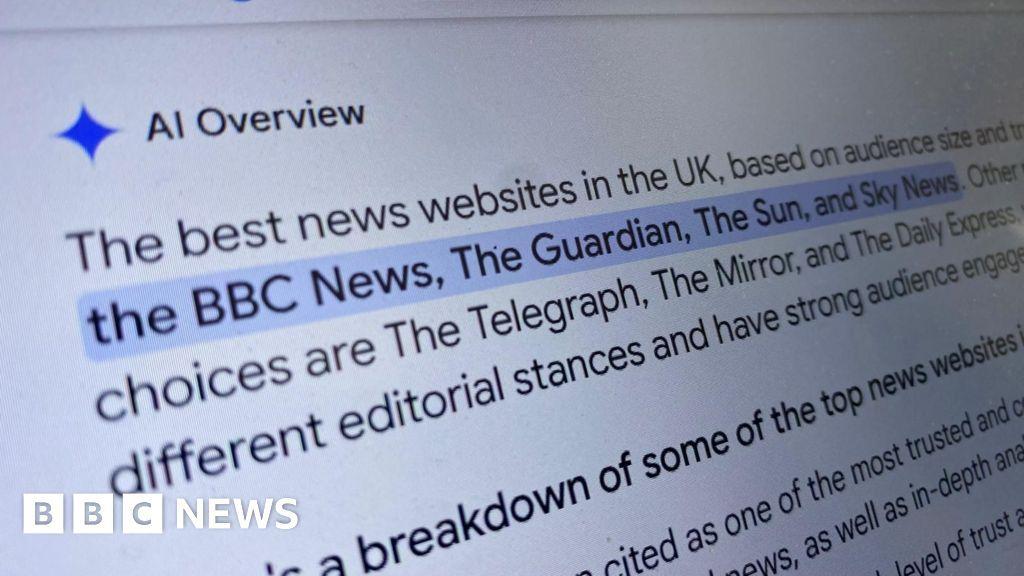

The Changing Face of News Consumption
The Reuters Institute's 2025 Digital News Report indicates that about 15% of people under 25 now use generative AI to get their news
4
. This trend raises concerns about information credibility and the future of original reporting. As Karolian points out, "Without original journalism, none of these AI platforms would have anything to summarize."Future Outlook

Source: Japan Times
While the immediate future looks challenging for the media industry, some experts believe that AI platforms will eventually recognize their dependence on quality journalism. John Wihbey, a professor at Northeastern University, predicts that "the platforms will realize how much they need the press"
1
. Google's development of partnerships with news organizations to feed its generative AI features suggests potential paths forward, but whether this realization comes soon enough to save struggling newsrooms remains an open question.References
Summarized by

Navi
Related Stories
Recent Highlights



Recent Highlights
Today's Top Stories









Don’t drown in AI news. We cut through the noise - filtering, ranking and summarizing the most important AI news, breakthroughs and research daily. Follow topics that matter to you and stay ahead.


