AI-Powered Tool DECIPHAER Unveils Molecular Mechanisms of Tuberculosis Drug Action


3 Sources
[1]
AI-powered analysis reveals how drugs kill tuberculosis at the molecular level
Tuberculosis (TB) is the world's deadliest infectious disease -- and one of the hardest to cure. Standard treatment requires a cocktail of multiple drugs over at least six months, and one in five patients have a type of TB that resists these first-line medications. Now, a new study offers a
[2]
AI tool reveals how TB drugs kill bacteria at the molecular level
Tufts UniversityAug 25 2025 Tuberculosis (TB) is the world's deadliest infectious disease -- and one of the hardest to cure. Standard treatment requires a cocktail of multiple drugs over at least six months, and one in five patients have a type of TB that resists these first-line medications. Now,
[3]
New AI Tool Reveals How Drugs Kill Tuberculosis | Newswise
Newswise -- Tuberculosis (TB) is the world's deadliest infectious disease -- and one of the hardest to cure. Standard treatment requires a cocktail of multiple drugs over at least six months, and one in five patients have a type of TB that resists these first-line medications. Now, a new study
Share
Copy Link
Researchers at Tufts University have developed an AI-assisted tool called DECIPHAER that reveals how drugs kill tuberculosis bacteria at the molecular level, potentially accelerating the development of more effective treatments.
Breakthrough in Tuberculosis Research: AI-Powered Analysis Reveals Drug Mechanisms
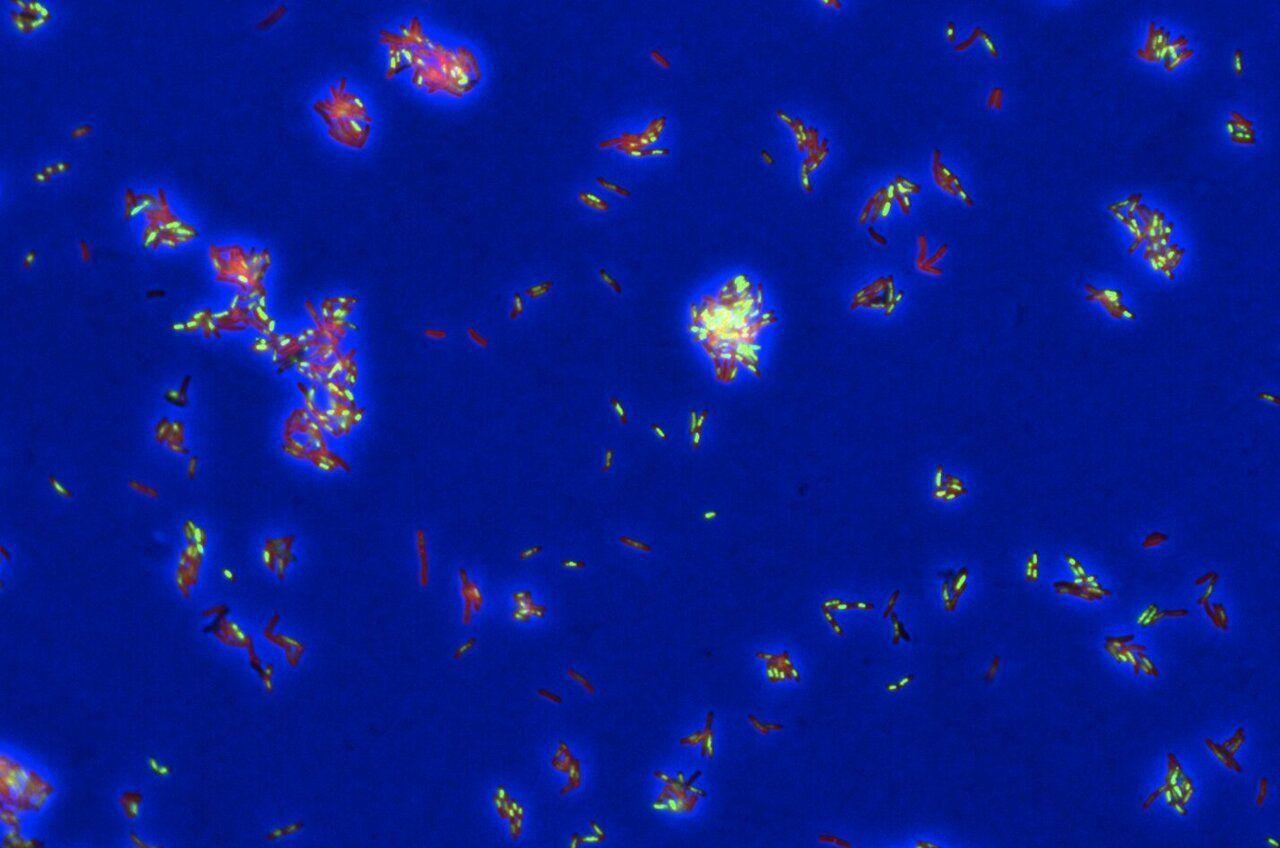
Researchers at Tufts University have developed a groundbreaking AI-assisted tool that could revolutionize the treatment of tuberculosis (TB), the world's deadliest infectious disease. The tool, named DECIPHAER (decoding cross-modal information of pharmacologies via autoencoders), offers unprecedented insights into how drugs kill TB bacteria at the molecular level
1
2
3
.
Source: Phys.org
The Challenge of Tuberculosis Treatment
TB remains a formidable global health challenge, with standard treatment requiring a cocktail of multiple drugs over at least six months. Moreover, one in five patients have drug-resistant TB, further complicating treatment efforts. Dr. Bree Aldridge, senior author of the study and professor at Tufts University, emphasizes the urgent need for a more effective multidrug regimen that can combat even drug-resistant TB
1
.DECIPHAER: Unraveling the Mystery of Drug Action
DECIPHAER builds upon previous research that captured high-resolution images of TB bacteria during treatment. The tool uses AI to link visual clues from these images to detailed readouts of bacterial gene activity, known as transcriptional profiles
2
. This innovative approach allows scientists to understand the exact chain of molecular events that occur when a drug kills TB bacteria.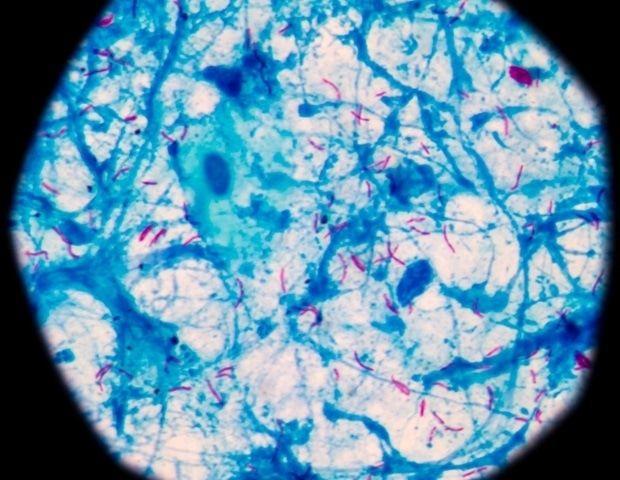
Source: News-Medical
From Visual Clues to Molecular Insights
The research team, led by Dr. Aldridge, trained an AI model to identify specific molecular changes that correspond to visual changes in the bacteria. This "morphological profiling" acts as a kind of cellular crime scene investigation, revealing how different drugs impact TB bacteria
3
.Surprising Discoveries and Future Applications
In testing DECIPHAER, the team made an unexpected discovery about a TB drug in clinical development. Dr. Aldridge explains, "Based on similar existing compounds, we had assumed the drug worked by destroying the cell wall. But it actually kills TB bacteria by impairing the respiratory chain and cells' ability to make energy"
1
2
.Related Stories
Accelerating Drug Development and Expanding Horizons
DECIPHAER's ability to predict a drug's molecular impact from images alone offers a cost-effective alternative to RNA sequencing. This could significantly speed up the process of understanding how potential TB treatments work in various conditions and combinations
3
.The researchers plan to continue using DECIPHAER in their drug combination studies and hope it will support global collaborations to accelerate the development of new TB drugs. While the immediate focus is on TB, Dr. Aldridge suggests that this approach could also be applied to other infectious diseases and cancer
1
2
3
.Funding and Future Prospects
The research, with William C. Johnson as the first author, was supported in part by the Gates Foundation and the National Institutes of Health. As the world continues to grapple with the challenge of TB and other infectious diseases, DECIPHAER represents a significant step forward in our ability to develop more effective treatments and combat drug resistance
2
3
.References
Summarized by

Navi
Related Stories
AI Breakthrough Accelerates Discovery of New Tuberculosis Drug Candidates
08 Feb 2025•Science and Research

AI-Driven Drug Discovery Accelerates Search for Tuberculosis Drugs Against World's Deadliest Infection
07 Jul 2026•Science and Research

AI Model Predicts Antibiotic Resistance in Bacteria with High Accuracy
03 Apr 2025•Science and Research
Recent Highlights
1
Meta Unveils Muse Wonder Frontier AI Models, Claims Performance Matching OpenAI and Anthropic
Technology

2
IMF Report Warns AI Market Correction Could Spark Global Financial Crisis With $1.4T at Risk
Business and Economy

3
OpenAI Releases 722 AI-Generated Math Solutions, Triggering Existential Crisis in Mathematics
Technology

Recent Highlights
Today's Top Stories









Don’t drown in AI news. We cut through the noise - filtering, ranking and summarizing the most important AI news, breakthroughs and research daily. Follow topics that matter to you and stay ahead.


